A hardline message invoking faith and total victory underscores escalating rhetoric, vowing continued war until “humiliation, disgrace, and surrender.”
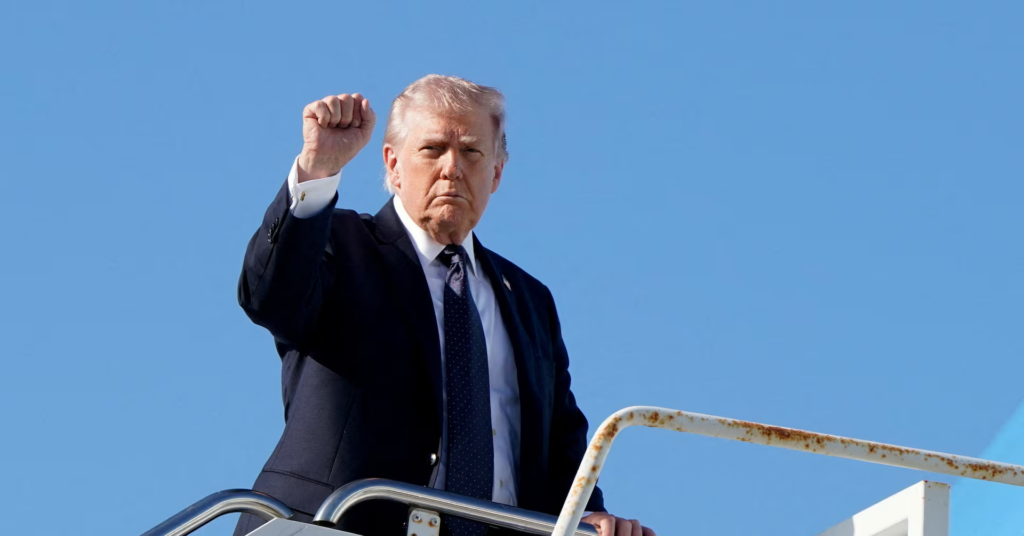
A strongly worded statement declaring, “With trust in Almighty God, this war will continue until your humiliation, disgrace, permanent and certain regret, and surrender,” is drawing attention as tensions continue to rise across the Middle East. The message reflects an uncompromising stance, signaling that the conflict is far from reaching a resolution and may intensify further in the coming weeks.
Such rhetoric is increasingly common amid the ongoing confrontation involving Iran, Israel, and various regional actors. Leaders and armed groups on multiple sides have adopted more aggressive language, framing the conflict not only in military terms but also as a broader ideological and existential struggle.
Religious Framing in Wartime Messaging
The reference to “trust in Almighty God” highlights the use of religious language as a motivational and ideological tool. In conflicts across the region, such framing is often used to strengthen morale, justify prolonged resistance, and rally public support.
By invoking faith, the statement positions the war as not just a geopolitical battle, but a cause with deeper spiritual significance. This type of messaging can resonate strongly with supporters, reinforcing narratives of perseverance and eventual victory regardless of current battlefield conditions.
Message of Total Victory
The wording of the statement emphasizes absolute outcomes — “humiliation,” “disgrace,” and “surrender” — leaving little room for negotiation or compromise. Analysts note that such language typically signals a hardline position, where one side seeks decisive victory rather than a negotiated settlement.
This kind of rhetoric can complicate diplomatic efforts, as it reduces the likelihood of immediate ceasefire agreements or peace talks. When leaders or groups publicly commit to total victory, backing down can carry political and reputational costs.
Escalating War of Words
The statement comes amid an ongoing war of narratives, where messaging is used alongside military action to influence public perception and international opinion. Both state and non-state actors are increasingly using media platforms to broadcast strong statements aimed at adversaries and supporters alike.
In recent weeks, similar rhetoric has emerged from multiple sides, reflecting the intensity of the conflict and the high stakes involved. Such messaging often accompanies periods of increased military activity, suggesting that escalation on the ground may follow.
Impact on Regional Stability
Statements that emphasize prolonged war and total defeat of the opponent contribute to an already volatile environment. Experts warn that this kind of language can:
- Harden positions on both sides
- Reduce opportunities for diplomacy
- Increase the likelihood of further escalation
- Prolong the duration of the conflict
With tensions already high, rhetoric that rules out compromise can make it more difficult for international mediators to bring parties to the negotiating table.
Global Concerns and Diplomatic Challenges
The international community has repeatedly called for restraint and dialogue, but such statements highlight the challenges facing diplomatic efforts. When parties publicly commit to continuing the war until complete victory, it signals that short-term de-escalation may be unlikely.
Global powers and regional stakeholders continue to monitor the situation closely, as prolonged conflict could have far-reaching consequences, including economic disruption, humanitarian crises, and wider regional instability.
Conclusion
The statement declaring that the war will continue until “humiliation and surrender” reflects the deepening intensity of both the conflict and the rhetoric surrounding it. By combining religious conviction with a call for total victory, it underscores the challenges ahead for any peace process.
As the situation evolves, such messaging serves as a reminder that the conflict is not only being fought on the battlefield but also through words that shape perceptions, morale, and the path forward.