Vienna enforces its long-standing neutrality policy by restricting U.S. military transit, signaling a cautious stance as international conflicts intensify.
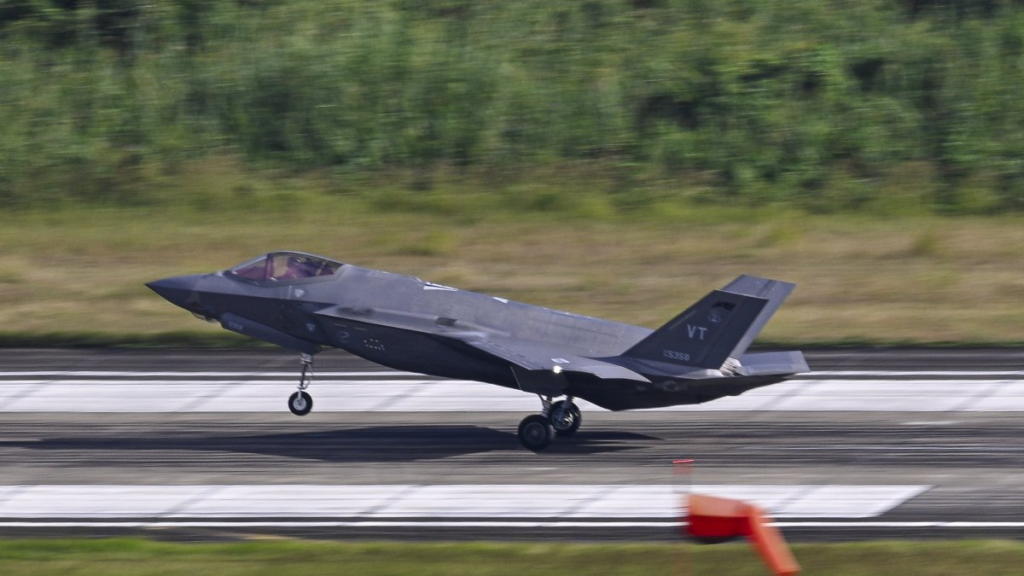
Austria has reportedly blocked U.S. military flights from transiting through its airspace, reaffirming its constitutional commitment to neutrality as geopolitical tensions continue to rise. The move underscores Vienna’s cautious approach to international conflicts, particularly amid the escalating situation involving Iran, the United States, and allied forces.
According to officials familiar with the decision, Austria has denied or restricted overflight permissions for certain U.S. military aircraft, citing its long-standing neutrality policy, which prohibits direct involvement in military conflicts. The decision aligns with Austria’s legal framework, which has guided its foreign and defense policy since the end of World War II.
Austria’s Neutrality Policy Explained
Austria’s neutrality is enshrined in its constitution, adopted in 1955, which commits the country to non-alignment in military alliances and avoidance of participation in armed conflicts. While Austria cooperates with international organizations such as the European Union and participates in peacekeeping missions, it maintains strict limitations on military cooperation that could be perceived as taking sides.
Blocking military overflights is a key mechanism through which Austria enforces this policy. By restricting access to its airspace, Vienna ensures that it does not facilitate military operations linked to active conflicts.
Context: Rising Global and Regional Tensions
The decision comes at a time of heightened global instability, particularly in the Middle East, where tensions involving Iran, Israel, and the United States have escalated significantly. Military movements, including air operations and logistics flights, have increased as part of broader strategic deployments.
Austria’s move is widely seen as an effort to avoid being drawn into the conflict indirectly, even in a logistical capacity. Analysts note that overflight permissions can play a critical role in military operations, enabling rapid deployment of personnel, equipment, and supplies.
Impact on U.S. Military Operations
While Austria is not a central hub for U.S. military logistics, its airspace is strategically located in Europe, making it a potential transit route for flights between the United States, Europe, and the Middle East.
The restriction may require U.S. forces to adjust flight paths and logistics planning, potentially increasing travel time and operational complexity. However, the overall impact is expected to be limited, as alternative routes through other European countries remain available.
International Reactions and Diplomatic Implications
Austria’s decision highlights differing approaches among European nations regarding involvement in global conflicts. While some countries have actively supported U.S. military operations, others—like Austria—have chosen to emphasize neutrality and restraint.
Diplomatic observers suggest that the move could:
- Reinforce Austria’s image as a neutral mediator
- Encourage debate within Europe about involvement in external conflicts
- Reflect broader concerns about escalation and regional instability
At the same time, the decision is unlikely to significantly strain U.S.–Austria relations, as Washington has historically acknowledged Vienna’s neutral status.
Strategic Significance of Neutrality
In an era of increasing geopolitical polarization, Austria’s stance serves as a reminder that neutrality remains a viable policy choice for some nations. By avoiding direct or indirect participation in military operations, Austria aims to maintain stability and preserve its role in diplomacy and international cooperation.
However, neutrality also comes with challenges, particularly when balancing economic, political, and security relationships with major global powers.
Conclusion
Austria’s decision to block U.S. military flights reflects its commitment to neutrality in a rapidly changing global security environment. While the immediate operational impact may be limited, the move carries symbolic weight, emphasizing Vienna’s determination to remain outside active conflicts.
As tensions continue to rise worldwide, Austria’s stance highlights the diverse strategies nations are adopting in response to growing geopolitical uncertainty.