U.S. President warns Tehran to make a deal or reopen Strait of Hormuz within 48 hours, escalating tensions amid ongoing Middle East conflict.
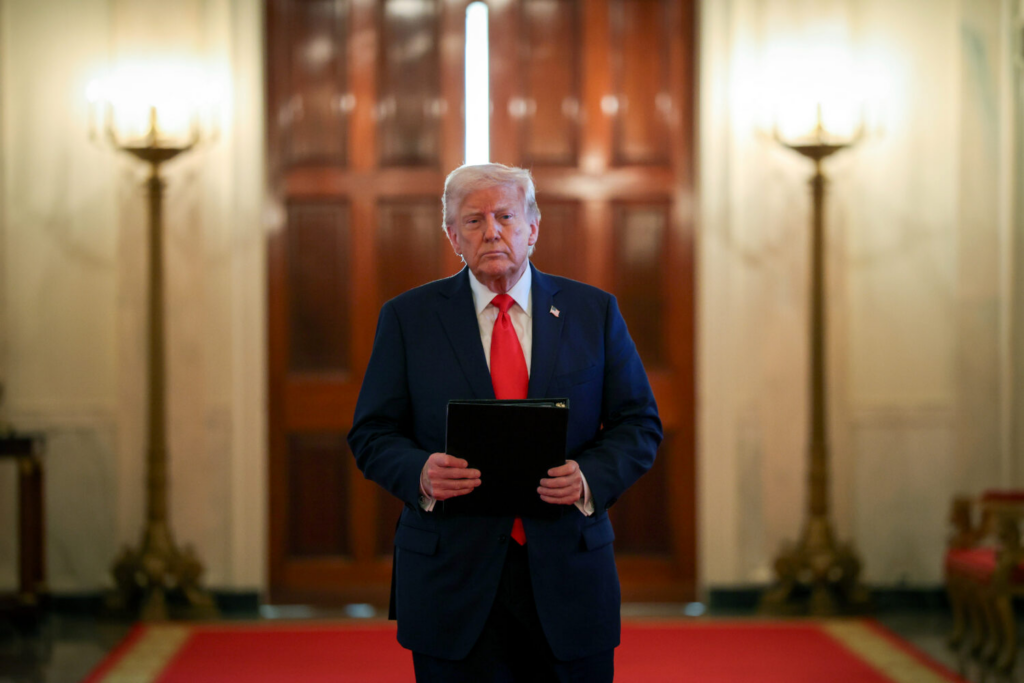
U.S. President Donald Trump has issued a dramatic 48-hour ultimatum to Iran, warning of severe military consequences if Tehran fails to comply with U.S. demands. The announcement marks a major escalation in the already volatile conflict shaping the Middle East.
According to multiple reports, Trump demanded that Iran either agree to a deal or reopen the strategically vital Strait of Hormuz within the given timeframe. Failure to do so, he warned, could result in intensified U.S. military strikes, including potential targeting of key Iranian infrastructure.
“Hell Will Rain Down” Warning
In one of his strongest statements yet, Trump reportedly warned that “all hell will rain down” if Iran does not meet the deadline. The ultimatum follows earlier threats in which he suggested the U.S. could strike Iran’s energy and power facilities if shipping routes remain disrupted.
The rhetoric reflects growing frustration in Washington over Iran’s actions in the region, particularly its alleged role in disrupting maritime traffic and launching attacks against U.S. and allied targets.
Why the Strait of Hormuz Matters
At the center of the ultimatum is the Strait of Hormuz, one of the world’s most critical النفط shipping routes. Roughly 20% of global oil supply passes through this narrow waterway, making it essential for global energy markets.
Recent tensions have led to a sharp drop in shipping traffic, raising fears of:
- Global oil price spikes
- Supply chain disruptions
- Economic instability worldwide
The U.S. sees reopening the strait as a top priority, both strategically and economically.
Iran’s Position and Ongoing Standoff
Iran has so far resisted U.S. pressure, maintaining its stance on regional sovereignty and security concerns. Iranian officials have indicated openness to negotiations through mediators but insist that any agreement must address what they describe as an “illegal war” against the country.
At the same time, Tehran has continued military activity, including missile and drone operations across the region, further complicating diplomatic efforts.
Rising Risk of Escalation
The 48-hour deadline significantly raises the risk of direct escalation between the United States and Iran. Analysts warn that such ultimatums can:
- Limit diplomatic flexibility
- Increase chances of military confrontation
- Trigger retaliatory strikes across multiple fronts
With ongoing hostilities involving Israel, Gulf states, and Iran-aligned groups, the region is already on edge.
Global Reactions and Concerns
International observers have expressed concern that the ultimatum could push the conflict toward a critical tipping point. Diplomatic efforts are ongoing, with several countries attempting to mediate between Washington and Tehran, but progress remains uncertain.
Markets are also reacting cautiously, with energy prices and shipping risks closely tied to developments in the Strait of Hormuz.
Conclusion
Trump’s 48-hour ultimatum to Iran represents one of the most serious escalations in the current conflict. With the deadline ticking and both sides holding firm positions, the situation remains highly unpredictable.
The coming days could prove decisive — either opening the door to negotiations or pushing the region closer to a wider and more dangerous confrontation.