Humanitarian groups raise alarm over access restrictions, security risks, and logistical barriers impacting aid delivery in Gaza
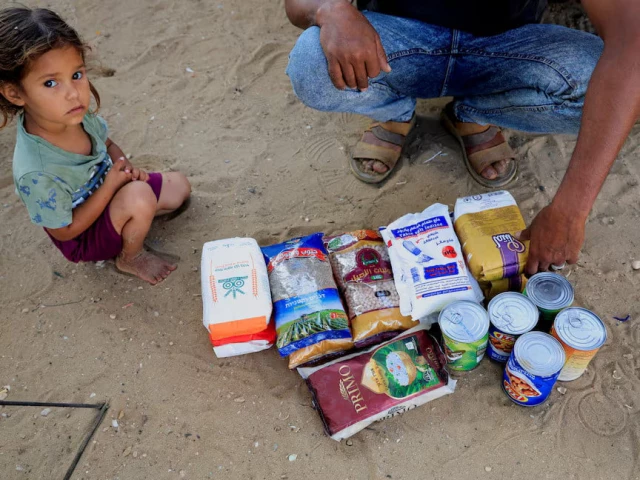
The United Nations and multiple international aid agencies have issued strong warnings that Israeli policies are increasingly threatening humanitarian relief operations in Gaza, placing millions of civilians at risk as the humanitarian situation continues to deteriorate.
According to UN officials and relief organizations working on the ground, access restrictions, security challenges, and administrative obstacles are severely limiting the delivery of essential aid, including food, medical supplies, fuel, and clean water. The warnings come amid ongoing conflict and heightened military activity, which have already strained Gaza’s fragile infrastructure to the breaking point.
UN agencies report that humanitarian operations are facing unprecedented challenges due to restrictions on movement, delays at border crossings, and limitations on the types and quantities of aid allowed into Gaza. Aid workers say that these constraints are preventing them from reaching vulnerable populations, particularly in densely populated and heavily affected areas. Hospitals, shelters, and displacement camps are struggling to cope as shortages worsen, while humanitarian convoys face frequent disruptions that hinder timely assistance.
According to humanitarian officials, the scale of need in Gaza is overwhelming. Large portions of the population are displaced, healthcare facilities are operating far beyond capacity, and access to basic necessities has been severely reduced. Aid agencies stress that humanitarian access must be consistent, predictable, and safe in order to prevent a full-scale collapse of essential services. Without reliable access, they warn, relief efforts risk becoming symbolic rather than effective, leaving civilians exposed to hunger, disease, and further suffering.
Israeli authorities have maintained that restrictions are necessary for security reasons, citing concerns that aid could be diverted or misused by militant groups. Officials argue that inspections and controls are essential to prevent weapons smuggling and protect Israeli security interests. However, the UN and humanitarian organizations counter that current policies go far beyond reasonable security measures and are undermining international humanitarian law obligations to facilitate aid for civilian populations during armed conflict.
Aid agencies also highlight growing safety risks faced by humanitarian workers. Reports of damaged aid facilities, disrupted supply routes, and limited coordination have increased concerns about the protection of relief personnel. Several organizations have warned that without stronger guarantees for the safety of aid workers, operations may be scaled back or suspended altogether. Such reductions, they say, would further worsen conditions for civilians who are already dependent on external assistance for survival.
The UN has repeatedly called for the opening of additional border crossings and the streamlining of approval processes for aid shipments. Humanitarian leaders argue that expanding access points and reducing bureaucratic delays would significantly improve the flow of assistance. They also stress the need for sustained ceasefires or humanitarian pauses to allow aid convoys to operate safely and efficiently. Temporary measures, they warn, are insufficient to address the scale and duration of the crisis in Gaza.
International reactions to the warnings have been swift, with several governments expressing concern over the humanitarian situation and urging Israel to ease restrictions. Diplomatic discussions are ongoing, but aid agencies caution that time is running out. The longer relief operations remain constrained, the greater the risk of famine, disease outbreaks, and irreversible damage to Gaza’s civilian infrastructure. Humanitarian officials emphasize that protecting civilians and enabling aid delivery should remain a priority regardless of political or military objectives.
Legal experts note that under international humanitarian law, parties to a conflict are obligated to allow and facilitate rapid and unimpeded passage of humanitarian relief for civilians in need. Aid organizations argue that failure to uphold these obligations could have serious legal and moral implications. They stress that humanitarian assistance must remain neutral and independent, and that politicizing aid delivery undermines its effectiveness and credibility.
In conclusion, warnings from the United Nations and international aid agencies underscore the growing crisis facing humanitarian operations in Gaza. Israeli policies restricting access and movement are, according to relief organizations, threatening the ability to deliver life-saving assistance to millions of civilians. As conditions worsen, the UN and its partners are urging immediate action to ensure safe, sustained, and unhindered humanitarian access. Without meaningful changes, they warn, the humanitarian consequences will continue to escalate, placing countless lives at risk and deepening one of the most severe humanitarian emergencies in the region.