Schools shift to remote learning as security concerns rise amid ongoing missile threats across the country
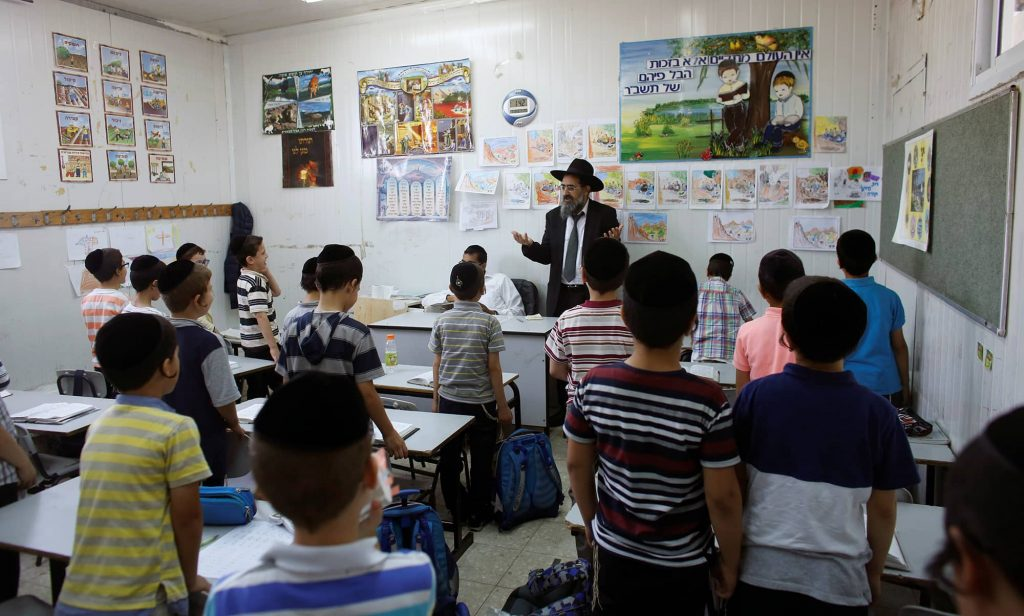
Authorities in Israel have announced the suspension of in-person classes nationwide following a wave of missile attacks, forcing millions of students to transition back to remote learning. The decision comes as part of emergency measures aimed at protecting civilians, particularly children, during a period of heightened security threats.
The directive was issued in coordination with the Israel Defense Forces and the country’s Home Front Command, which is responsible for civil defense. Officials cited the increasing frequency and reach of missile strikes as the primary reason behind closing schools, universities, and other educational institutions across the country.
Under the new measures, all physical classes have been suspended until further notice, with schools instructed to continue lessons through online platforms where possible. Authorities emphasized that the move is temporary but necessary to ensure student safety as the situation evolves.
The closures follow a series of recent missile attacks targeting multiple regions, including major cities and southern areas. Air raid sirens have been sounding frequently, forcing residents to seek shelter at short notice. In such conditions, keeping schools open poses significant risks, particularly in areas where safe shelters may not be immediately accessible within school premises.
Parents and educators have expressed mixed reactions to the decision. While many support the precautionary step given the current security environment, others have raised concerns about the disruption to education, especially after previous years of intermittent closures due to conflicts and emergencies. However, government officials maintain that safety must take precedence over all other considerations.
The shift to remote learning is expected to place additional pressure on both students and teachers. Not all families have equal access to digital resources, which could widen educational gaps. In response, authorities have indicated that efforts are being made to provide support, including access to online tools and educational content through national platforms.
From a broader perspective, the nationwide closure of schools highlights the far-reaching impact of the ongoing conflict beyond the battlefield. It underscores how civilian life, particularly education, is being significantly disrupted as tensions continue to rise.
Security experts note that such measures are typically implemented during periods of sustained threat, suggesting that authorities anticipate continued or even intensified missile activity in the coming days. The decision also reflects a cautious approach, aimed at minimizing potential casualties in the event of further attacks.
International observers have pointed to the situation as an example of how modern conflicts increasingly affect civilian infrastructure and daily life. Schools, being central to communities, often become one of the first institutions to close during security crises.
As the situation develops, Israeli officials are expected to continuously reassess the security environment before deciding when it is safe to resume in-person education. Until then, millions of students will remain at home, adapting to remote learning under challenging circumstances.
In conclusion, the cancellation of in-person classes across Israel marks a significant step in response to escalating missile threats. While the move disrupts education nationwide, it reflects the urgent need to prioritize safety in an increasingly volatile situation. The duration of these measures will depend largely on how the conflict unfolds in the coming days.