Reports of cluster munition impact raise concerns over civilian safety and potential violations of international law
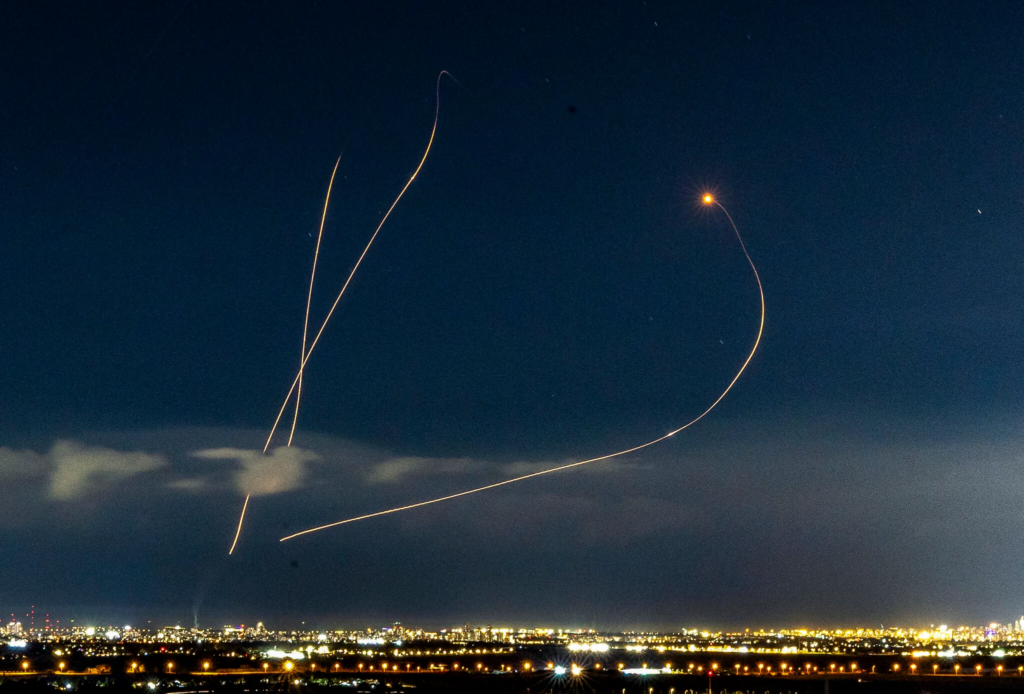
Reports emerging from Hebrew media indicate that an Iranian-launched cluster munition has struck buildings in Tel Aviv, marking a significant and controversial escalation in the ongoing conflict between Iran and Israel. The alleged use of such weapons in a densely populated urban area has intensified global concern over civilian casualties and adherence to international humanitarian law.
According to initial reports, the munition impacted multiple structures within Tel Aviv, causing visible damage and sparking panic among residents. Emergency services were reportedly deployed quickly to the affected areas, with authorities working to assess the extent of destruction and check for injuries. While official confirmation and casualty figures remain limited, the nature of the weapon involved has drawn immediate international attention.
Cluster munitions are widely regarded as highly controversial due to their indiscriminate impact. These weapons release multiple smaller submunitions over a broad area, increasing the risk of harm to civilians, especially in urban environments. Unexploded bomblets can remain dangerous long after the initial strike, posing ongoing threats to residents and emergency responders.
The reported incident comes amid escalating hostilities between Iran and Israel, with both sides engaged in direct and indirect military confrontations. In recent weeks, the conflict has intensified significantly, with missile exchanges, drone attacks, and airstrikes reported across multiple locations in the region.
If confirmed, the use of cluster munitions in Tel Aviv could have serious legal and diplomatic implications. International conventions, including the Convention on Cluster Munitions, seek to ban or restrict the use of such weapons due to their long-term humanitarian impact. While not all countries are signatories, their use in civilian areas is widely condemned by human rights organizations and the global community.
Israeli authorities have not yet released a detailed official statement confirming the type of munition used, but defense officials are reportedly investigating the nature of the strike. Meanwhile, security forces have increased alert levels across major cities, anticipating the possibility of further attacks.
From a strategic perspective, the alleged deployment of cluster munitions signals a dangerous shift in the nature of the conflict. Military analysts suggest that such actions could provoke a stronger response from Israel, potentially leading to a broader escalation involving additional regional actors.
The situation also underscores the growing risks faced by civilians caught in the crossfire of modern warfare. Urban centers like Tel Aviv, with dense populations and critical infrastructure, are particularly vulnerable to weapons that have wide-area effects. The psychological impact of such attacks—combined with physical destruction—can have lasting consequences on civilian life and economic stability.
International reactions are expected to intensify as more details emerge. Governments and global organizations are likely to call for independent investigations and urge all parties to adhere to international humanitarian laws designed to protect civilian populations during armed conflict.
In conclusion, the reported cluster munition strike in Tel Aviv represents a deeply concerning development in the ongoing Iran-Israel conflict. While details are still unfolding, the potential use of such a weapon in a populated area raises serious ethical, legal, and strategic questions. As tensions continue to rise, the need for restraint and accountability becomes increasingly urgent to prevent further escalation and humanitarian consequences.