Israeli Premier Places Trusted Adviser in Charge of Lebanon File as War with Hezbollah and Regional Hostilities Deepen
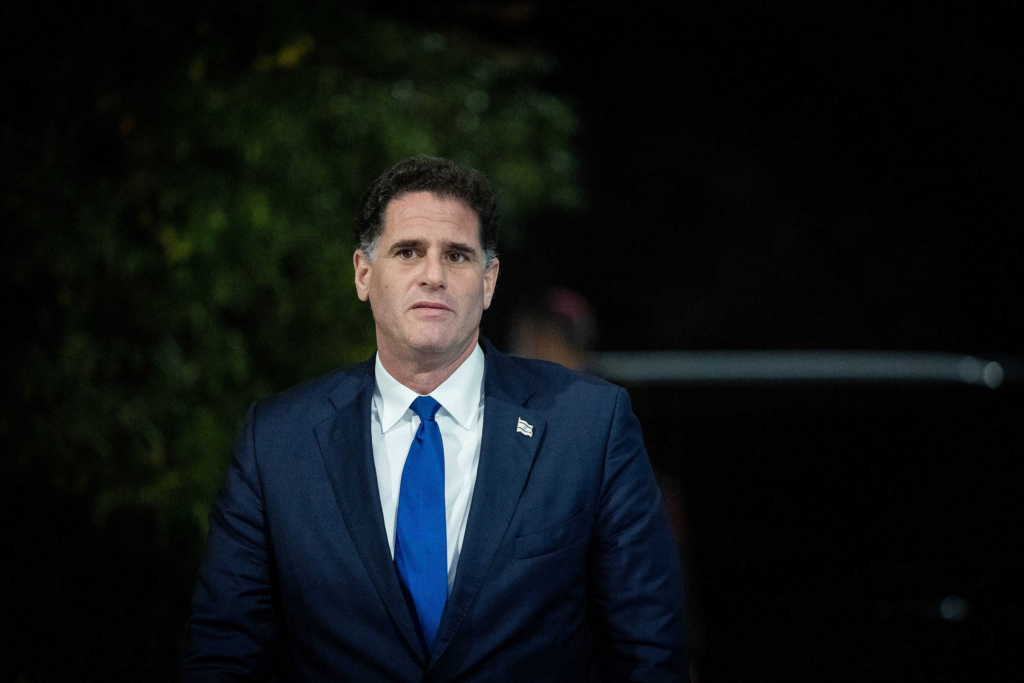
Israeli Prime Minister Benjamin Netanyahu has appointed veteran diplomat and strategic adviser Ron Dermer to oversee the critical Lebanon portfolio amid a renewed and intensifying conflict involving Hezbollah, Iran, and Israeli military forces. The move signals Jerusalem’s prioritization of the Lebanon front and marks a consolidation of war planning and diplomacy under one of Netanyahu’s most trusted officials.
Dermer — a U.S.‑born Israeli who previously served as ambassador to Washington and later as Minister of Strategic Affairs — is viewed as uniquely positioned for the role due to his deep experience in high‑level diplomacy, especially with the United States, and his close political alignment with Netanyahu’s strategic priorities. His appointment comes as the war with Hezbollah in Lebanon and broader hostilities in the Middle East escalate, raising the stakes for Israel’s military and diplomatic leadership.
A Strategic Appointment in a Time of War
Ron Dermer’s new assignment places him at the core of Israel’s effort to manage and influence operational, political, and diplomatic aspects of hostilities involving Lebanon. This includes negotiations with international stakeholders, coordination with U.S. counterparts, and strategic planning on how to respond to ongoing Hezbollah rocket barrages, Iranian influence, and military operations in southern Lebanon and beyond.
Dermer’s track record includes serving as Israel’s ambassador to the United States from 2013 to 2021, where he became known for building strong ties with both Republican and Democratic administrations. Following that role, he was appointed Minister of Strategic Affairs in late 2022, a position which involved shaping Israel’s long‑term responses to security threats, including efforts to counter Iranian influence and Hezbollah’s military capabilities.
Netanyahu’s decision to assign Dermer to the Lebanon file reflects both the intensity of current hostilities and the complexity of navigating Lebanon’s fractured political landscape. Hezbollah, the powerful Iran‑backed militia and political faction in Lebanon, has been engaged in direct confrontations with Israel. The conflict expanded significantly in early March 2026 after Hezbollah joined the broader Iran–Israel–U.S. conflict, firing rockets into northern Israel in a show of support for Tehran while Israel retaliated with airstrikes across southern Lebanon.
Why Lebanon Matters in Israel’s Regional Strategy
Lebanon remains one of Israel’s most sensitive security concerns due to Hezbollah’s extensive arsenal of rockets, missiles, and drones, as well as its entrenched political influence inside the country. Israel’s military operations in Lebanon aim to degrade Hezbollah’s combat capabilities and reduce the threat to northern Israeli communities, while also working diplomatically to isolate Hezbollah from external support. Analysts say that integrating strategic policy under a single point of oversight enhances coordination across military, diplomatic, and intelligence efforts.
As part of this broader agenda, Dermer is expected to be deeply involved in shaping Israel’s international messaging and diplomatic engagements related to Lebanon and Hezbollah. His previous role as ambassador in Washington gives him unique insight into U.S. foreign policy priorities — a crucial asset given Washington’s continued support for Israel and its role in Middle East diplomacy.
Political Dynamics and Regional Implications
The appointment also carries significant political weight within Israel. Netanyahu has navigated shifting alliances both domestically and internationally, balancing the priorities of his own governing coalition with the military objectives of the Israel Defense Forces (IDF) and the strategic expectations of the United States and allied partners. Putting Dermer in charge of the Lebanon portfolio underscores Netanyahu’s intent to centralize decision making and ensure alignment of military strategy with diplomatic outreach.
Domestically, the move has been interpreted by commentators as an effort to reinforce Israel’s war governance structure — particularly as public and political pressure mounts over the direction and duration of hostilities. The Lebanon front has seen intense fighting, significant civilian displacement, and repeated rocket barrages by Hezbollah, prompting debates within Israel about military objectives and political negotiations.
Internationally, Dermer’s appointment may also factor into broader diplomatic efforts. With ongoing engagement from global powers, including the United States, France, and the United Nations, there are calls for restraint alongside efforts to manage the unfolding conflict. Experts suggest that Dermer’s relationships with key international players could help facilitate back‑channel communications or negotiations aimed at containing the violence and preventing further escalation.
Challenges Ahead
Despite Dermer’s expertise, significant challenges remain. Hezbollah continues to conduct operations along the Israel‑Lebanon border, and the group’s alliance with Iran complicates efforts to distinguish diplomatic channels from military conflict. Lebanese political structures are also fragmented, making unified negotiation efforts difficult. Meanwhile, the humanitarian impact of the war — including displacement of civilians and infrastructure damage — continues to draw international concern.
Experts note that resolving the Lebanon crisis will require more than military action; it will demand sustained diplomatic engagement, international cooperation, and a robust political strategy. Netanyahu’s decision to place Dermer in charge of this file reflects an acknowledgment of this reality and signals Jerusalem’s intent to pursue a comprehensive approach that merges military necessity with diplomatic strategy.
As the conflict unfolds, Dermer’s leadership role will likely become a focal point in how Israel navigates the Israel–Hezbollah front and manages its broader regional policy. The world will be watching closely as events in Lebanon continue to influence the trajectory of the wider Middle East crisis.