Tehran’s warning highlights deepening Israel-Iran shadow conflict and rising regional tensions
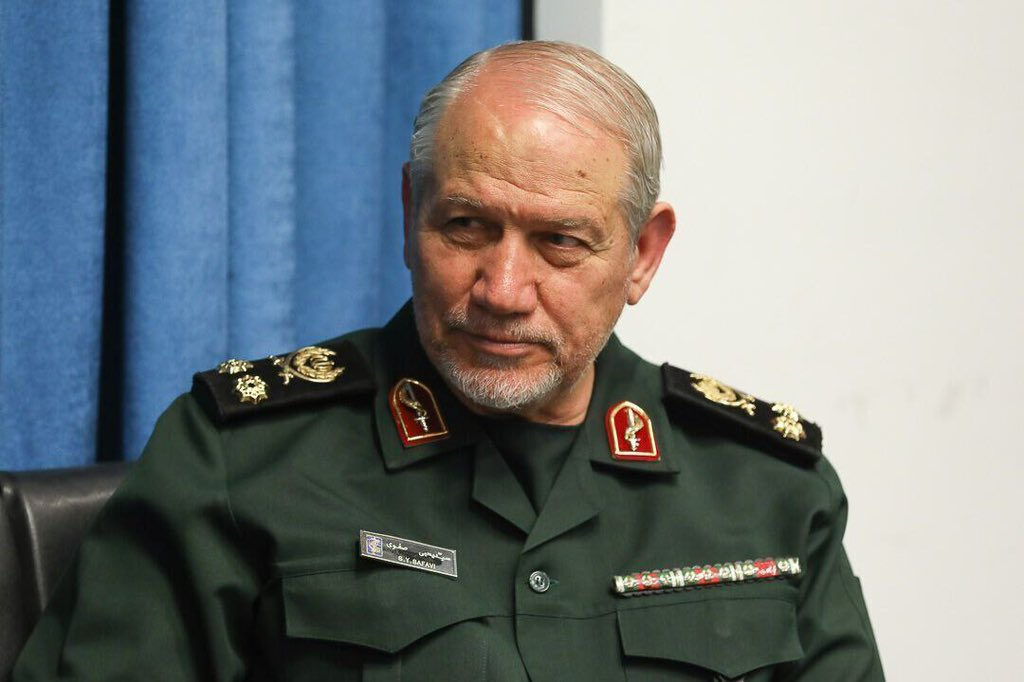
Iran has issued a stark warning claiming it knows the locations of Israeli Prime Minister Benjamin Netanyahu’s meetings, a statement that underscores the intensifying intelligence confrontation between Tehran and Tel Aviv. The claim, attributed to senior Iranian military adviser Yahya Rahim Safavi, reflects the growing psychological and strategic warfare between the two long-time adversaries and comes at a moment of heightened regional instability.
According to Iranian officials, their intelligence database tracking Netanyahu is “updated,” and they are aware of where he holds high-level meetings. The remark appears designed as both a deterrent message and a demonstration of Iran’s alleged surveillance capabilities. However, independent verification of the claim remains limited, and Israeli authorities have not publicly confirmed the assertion.
The statement emerges within the broader context of the Israel-Iran shadow war, which has increasingly moved beyond covert cyber operations into direct military and intelligence confrontation. Over the past decade, both countries have accused each other of espionage, sabotage, and targeted assassinations. Analysts widely view such public warnings as part of psychological warfare intended to signal reach and capability without necessarily revealing operational details.
Recent events have sharply escalated tensions. On February 28, 2026, Iran’s Supreme Leader Ali Khamenei was assassinated in Tehran during a series of Israeli missile strikes targeting senior Iranian officials, according to widely reported accounts. Iranian authorities blamed Israel and its allies, further inflaming hostilities and increasing the likelihood of retaliatory threats—such as the latest warning about Netanyahu’s movements.
The two countries have a long history of intelligence penetration claims. In 2018, Israel’s Mossad famously seized a large archive of Iranian nuclear documents from a warehouse in Tehran, an operation intended to expose Iran’s alleged nuclear weapons ambitions. Conversely, in 2025 Iran claimed it had obtained millions of sensitive Israeli documents, including information on nuclear officials and key facilities—though Israeli analysts expressed skepticism about the scale of the breach. This pattern of competing intelligence boasts highlights the ongoing covert rivalry shaping Middle East security dynamics.
Security experts note that public statements about knowing a leader’s location can serve multiple purposes: deterrence, domestic political messaging, and psychological pressure. By signaling potential reach, Iran may be attempting to warn Israel against further high-profile strikes on Iranian leadership or infrastructure. At the same time, such rhetoric raises concerns about the risk of miscalculation in an already volatile environment.
The threat environment surrounding Netanyahu has previously been serious. In October 2024, Hezbollah launched a drone attack targeting Netanyahu’s private residence in Caesarea, which Israeli officials described as an assassination attempt, though the prime minister was not present. That incident demonstrated that Israeli leadership figures are already considered high-value targets by members of the so-called “Axis of Resistance,” which includes Iran-aligned groups.
Regional observers warn that the latest Iranian statement should be viewed within the broader escalation cycle following recent military exchanges between Israel, Iran, and allied actors. The Council on Foreign Relations notes that the confrontation has intensified significantly, including large-scale strikes and retaliatory threats, raising fears of a wider regional conflict.
For now, it remains unclear whether Iran’s claim reflects actionable intelligence or is primarily strategic messaging. Israel typically maintains strict operational security around the prime minister’s movements, and any confirmed breach would represent a serious security concern. Without independent corroboration, many analysts urge caution in interpreting the statement at face value.
What is clear, however, is that the Israel-Iran confrontation is entering an increasingly dangerous phase marked by open threats, high-profile strikes, and expanding intelligence warfare. As both sides continue signaling capability and intent, the risk of misinterpretation or escalation remains high. Diplomatic channels remain strained, and absent de-escalation efforts, the shadow conflict between Tehran and Tel Aviv could further destabilize the already fragile Middle East security landscape.