Controversial U.S. commentator alleges Gulf intelligence arrested Israeli spies — but official sources refute the claim as misinformation
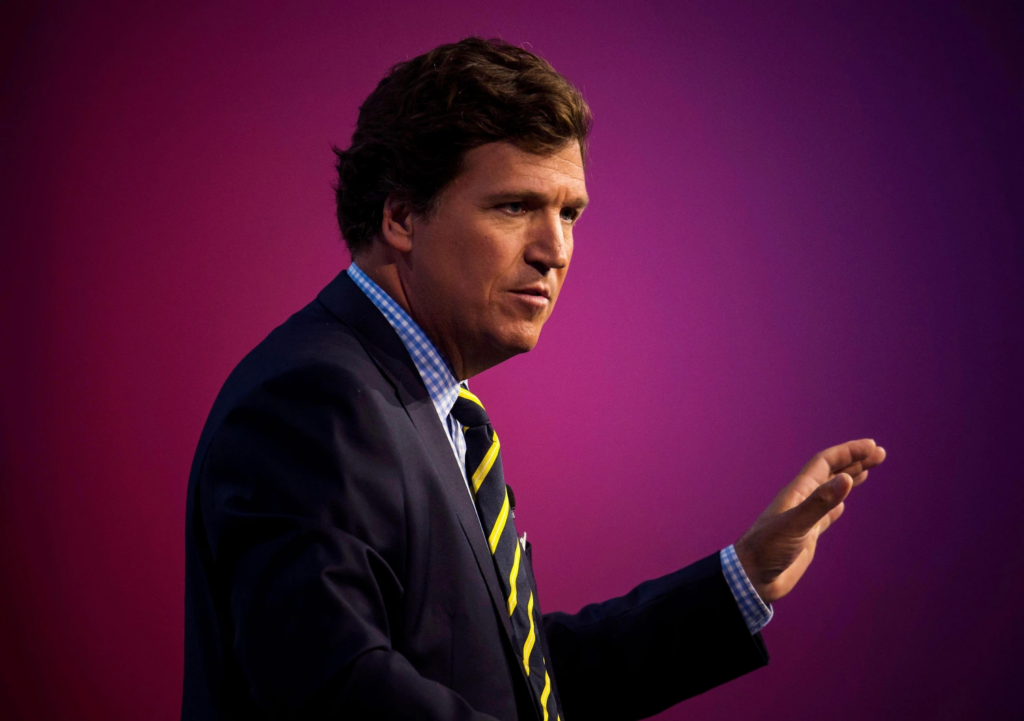
American political commentator Tucker Carlson recently made a highly provocative statement alleging that Saudi Arabia and Qatar had arrested Israeli intelligence operatives from the Mossad, accusing them of planning bombings within those countries. Carlson also suggested that Israel’s strategic objective goes beyond its conflict with Iran and includes destabilizing several Gulf Cooperation Council (GCC) states — including Qatar, UAE, Saudi Arabia, Bahrain, Oman, and Kuwait. However, in the days since his remarks, multiple official and independent responses have challenged the credibility of these claims.
What Tucker Carlson Alleged
On March 2, 2026, Carlson — a well‑known U.S. commentator with a large online audience — stated on his show that authorities in Qatar and Saudi Arabia had detained individuals he identified as Israeli Mossad agents who were allegedly plotting bombings on Gulf soil. He framed the alleged arrests as evidence of a broader Israeli strategy to not only target Iran but also to sow chaos in traditional U.S. Arab allies. According to his claims, “Israel wants to hurt Iran, and Qatar, and UAE, and Saudi Arabia, and Bahrain, and Oman and Kuwait,” and he asserted that Israel had already been “successful to some degree” in this supposed plan.
Carlson’s narrative linked his allegations directly to the broader context of the ongoing Middle East conflict — characterized by recent U.S. and Israeli military operations against Iranian targets and Iran’s retaliatory missile strikes across the region. He used strong language to suggest that Israeli activities might be aimed at weakening Gulf nations’ political stability and undermining their security.
Official Responses and Verification Problems
Despite the seriousness of Carlson’s assertions, official Gulf sources have not corroborated them. In particular, Qatar’s Foreign Ministry publicly denied having any information about Mossad agents operating or being arrested in the country. This rejection was reported directly by Qatari officials and widely covered by regional media, which underscored that the claim lacks verification from the governments allegedly involved.
Importantly, no major international news agencies (such as Reuters, Associated Press, BBC, Al Jazeera, or others) have independently confirmed that Saudi Arabia or Qatar arrested Mossad operatives or that such plots were foiled. Independent security analysts and experts note that without verifiable evidence or official documentation, the story remains unsubstantiated and should be treated with caution.
Broader Context and Why the Claim Matters
Carlson’s comments come amid a highly charged geopolitical situation in the Middle East. Following joint U.S.–Israeli strikes on Iranian leadership infrastructure — including actions that reportedly targeted facilities connected to Iran’s Council of Experts — Iran has launched ballistic missile and drone offensives across the region, affecting various Gulf countries. In response, Gulf cooperation mechanisms, including the Gulf Cooperation Council (GCC), have condemned these attacks as violations of sovereignty and international law.
Against this backdrop, allegations of covert intelligence activities and internal security operations become especially sensitive. Even speculative claims can strain diplomatic relationships, undermine trust between allied states, and fuel social media misinformation. Gulf states have significant economic, security, and strategic ties with both the United States and Israel, and there is no credible evidence at this time that they have formalized cooperation with Israeli intelligence to conduct bombings within Gulf borders.
Security analysts emphasize that intelligence agencies around the world, including the Mossad, do operate covertly — and historical suspicions about espionage are not new. For example, past alleged Mossad activities have reportedly included operations that drew international attention, such as the 2010 killing of a Hamas commander in Dubai, in which suspected Mossad operatives used forged passports. However, that incident remains controversial and was never legally or officially confirmed as an Israeli government operation.
Separating Opinion From Verified Fact
Tucker Carlson is a political commentator, not a government official or accredited journalist embedded with intelligence sources. His broadcast included assertions without cited evidence or confirmation from credible official sources. Many media analysts have criticized the claim as unverified speculation, and some commentators have pointed out that Qatar and Saudi authorities have both denied the allegations.
For readers and news consumers, distinguishing between opinion‑based commentary and grounded reporting is essential, especially on matters involving international security and counterterrorism. In highly tense environments, unconfirmed claims can be rapidly amplified, creating confusion and potential diplomatic fallout.
Conclusion
In summary, while Tucker Carlson publicly asserted that Saudi Arabia and Qatar arrested Mossad agents planning bombings — and alleged a broader Israeli objective to destabilize Gulf states — there is no independent or official evidence supporting these claims. Government statements from Qatar directly refute the narrative, and reputable news organizations have not verified any such arrests or plots. At present, the assertion remains an unverified allegation emerging from a commentator’s broadcast, rather than a corroborated news event.