Dhaka expresses diplomatic concern as protests in India escalate tensions over bilateral and regional issues
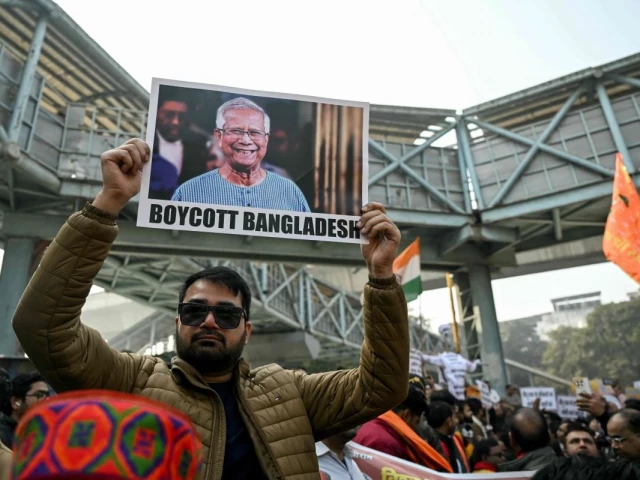
Bangladesh has summoned India’s top diplomat in Dhaka amid escalating protests in New Delhi, signaling heightened diplomatic tension between the neighboring South Asian nations. The move comes after large-scale demonstrations in India, which were reportedly linked to policies affecting Bangladesh or regional security concerns, and follows a pattern of strained bilateral relations over political, economic, and social issues.
According to the Ministry of Foreign Affairs in Dhaka, the summoning of the Indian envoy was intended to formally express Bangladesh’s concerns regarding the ongoing unrest and to seek clarification about the Indian government’s stance on the matter. Officials emphasized that while Bangladesh respects India’s domestic governance, any situation with cross-border implications or affecting the regional balance requires careful diplomatic dialogue to avoid further escalation.
The protests in New Delhi, which reportedly drew thousands of participants, included demonstrations near key government offices and public spaces. Reports indicate that protestors raised slogans critical of certain policies, with some also targeting Bangladesh-related issues, leading to concerns over bilateral perceptions and public sentiment. Law enforcement authorities in India deployed additional personnel to maintain order, while efforts were made to prevent clashes between demonstrators and security forces.
Analysts suggest that the summoning of the Indian envoy reflects Bangladesh’s desire to formally register its apprehensions and to ensure that the unrest in India does not spill over into diplomatic or security complications across the border. Bangladesh shares a long and historically complex boundary with India, encompassing economic, cultural, and security dimensions that require constant negotiation and coordination.
Historically, India and Bangladesh have experienced periodic tensions, including disputes over water sharing, trade regulations, migration, and cross-border security incidents. While both nations have emphasized cooperative engagement, domestic unrest in either country can quickly reverberate across diplomatic channels, prompting official interventions such as envoy summoning or formal diplomatic notes.
The Ministry of Foreign Affairs in Dhaka reportedly requested that India address concerns related to the protests, particularly regarding public statements, media coverage, and actions that might influence bilateral ties or inflame public sentiment in Bangladesh. While specifics were not disclosed, diplomatic sources indicated that Bangladesh emphasized the need for India to ensure that internal demonstrations do not adversely affect cross-border relations or regional stability.
Indian officials have stated that the protests are part of democratic expression and that security measures are in place to protect both citizens and foreign interests. While acknowledging Bangladesh’s concerns, they underscored that India remains committed to maintaining positive and constructive bilateral relations, with channels for dialogue open at both ministerial and diplomatic levels.
The summoning also highlights a broader trend in South Asia, where domestic political developments in one country can quickly generate international attention, especially in a region with dense populations, shared borders, and intertwined political and economic networks. Diplomats stress the importance of measured communication and proactive engagement to prevent misunderstandings or unintended escalation.
Regional observers note that while the immediate crisis stems from demonstrations in New Delhi, the underlying issues reflect broader dynamics, including public sentiment, social media mobilization, and bilateral sensitivities. Both governments are reportedly monitoring the situation closely, with efforts to prevent deterioration of relations while acknowledging domestic pressures in each country.
Bangladesh’s approach, summoning the envoy rather than issuing harsher public statements, indicates a preference for managed diplomacy, aiming to de-escalate tensions while asserting the country’s stance on issues affecting its national interest. It also reflects a recognition of India’s influence and the importance of maintaining dialogue channels despite occasional domestic disturbances or public protests.
Political analysts predict that the development could prompt further bilateral consultations, including high-level meetings, discussions on border management, and coordinated public messaging to prevent misunderstandings. Both nations are likely to emphasize mutual respect, regional cooperation, and the importance of maintaining peaceful relations, especially given shared economic and security concerns.
In conclusion, the summoning of the Indian envoy by Bangladesh amid protests in New Delhi underscores the fragile nature of regional diplomacy in South Asia, where domestic unrest and political developments can quickly have cross-border implications. It highlights the continued importance of dialogue, measured responses, and proactive diplomatic engagement to ensure that public protests and domestic grievances do not escalate into larger geopolitical tensions affecting both countries.