Landmark legislation passes with broad support as government moves to tighten firearms rules and curb hate-driven violence
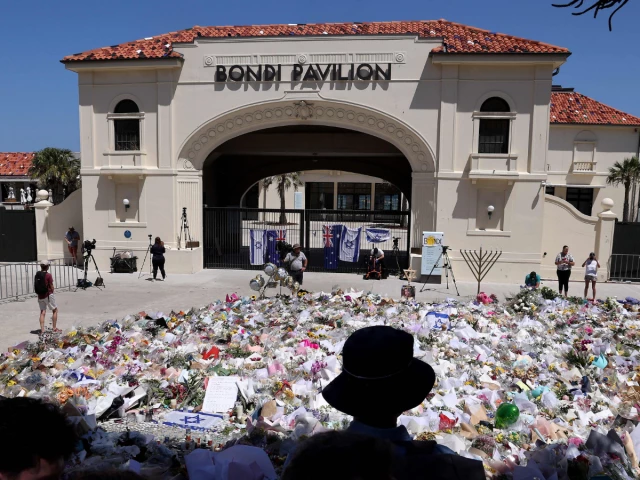
SYDNEY: Australia’s parliament has overwhelmingly backed sweeping gun control and anti-hate law reforms in the wake of the deadly Bondi shopping precinct attack, marking one of the most significant shifts in the country’s domestic security framework in years.
The legislation, passed after intense debate and public pressure, reflects a renewed political consensus that stronger legal tools are required to prevent mass violence and counter rising hate-motivated extremism.
The reforms were introduced following the Bondi attack, which left multiple civilians dead and sent shockwaves across Australia. The incident reignited national debate over firearm access, public safety, and the role of hate-fuelled ideology in acts of mass violence. Lawmakers from both major parties cited public concern and the need for decisive action as key reasons for fast-tracking the legislation through parliament.
Under the new measures, firearm licensing requirements will be tightened nationwide, with stricter background checks, enhanced psychological assessments, and expanded powers for authorities to suspend or revoke licenses deemed a risk to public safety. The reforms also increase penalties for illegal possession and trafficking of firearms, while strengthening coordination between federal and state law enforcement agencies.
In addition to gun control, parliament approved comprehensive anti-hate provisions aimed at tackling incitement to violence, extremist propaganda, and hate-based threats. The new laws expand the definition of hate crimes, introduce harsher penalties for offenses motivated by racial, religious, or ideological hatred, and grant law enforcement greater authority to intervene before violence occurs. Online platforms will also face increased scrutiny over content linked to hate speech and radicalization.
Prime Minister Anthony Albanese described the reforms as “necessary, measured, and rooted in Australia’s long-standing commitment to public safety.” Speaking after the vote, he said the government had a responsibility to respond firmly to violence while preserving democratic freedoms. “Australians expect us to act when lives are lost,” he said. “These reforms are about prevention, accountability, and protecting communities.”
Opposition leaders largely supported the legislation, though some raised concerns about implementation and civil liberties. Several lawmakers emphasized the importance of ensuring that expanded police powers are balanced with safeguards against misuse. Despite these reservations, the bills passed with strong cross-party backing, reflecting broad political unity following the attack.
Public reaction to the reforms has been largely supportive. Advocacy groups representing victims of gun violence welcomed the tougher laws, saying they reinforce Australia’s reputation as a global leader in firearm regulation. Human rights organizations also praised the focus on hate-motivated violence but urged transparency in enforcement to protect freedom of expression.
Security experts say the reforms build on Australia’s post-1996 gun control framework, which significantly reduced firearm-related deaths following the Port Arthur massacre. While Australia already has some of the strictest gun laws in the world, analysts argue that evolving threats — including lone-actor attacks and online radicalization — require updated legal tools and intelligence capabilities.
The Bondi attack has also intensified scrutiny of how extremist ideologies spread online and how warning signs are identified. As part of the reforms, the government announced additional funding for counter-extremism programs, mental health services, and early-intervention initiatives aimed at identifying individuals at risk of radicalization or violent behavior.
State governments are expected to align their laws with the new federal framework in the coming months. Officials confirmed that implementation will involve close cooperation between federal police, state authorities, intelligence agencies, and community organizations. Training programs and public awareness campaigns are also planned to support the rollout of the new measures.
International observers have taken note of Australia’s response, with several governments and security analysts pointing to the reforms as a potential model for balancing gun regulation with civil liberties. The legislation comes amid global debates over mass violence, hate crimes, and the responsibilities of governments to address emerging security threats.
As Australia mourns the victims of the Bondi attack, lawmakers say the reforms represent a commitment to ensuring such tragedies are not repeated. While challenges remain in enforcement and prevention, the parliamentary vote signals a clear political message: public safety and social cohesion are priorities that demand decisive legislative action.