Prime minister calls early poll seeking fresh mandate as economic pressures and policy debates intensify
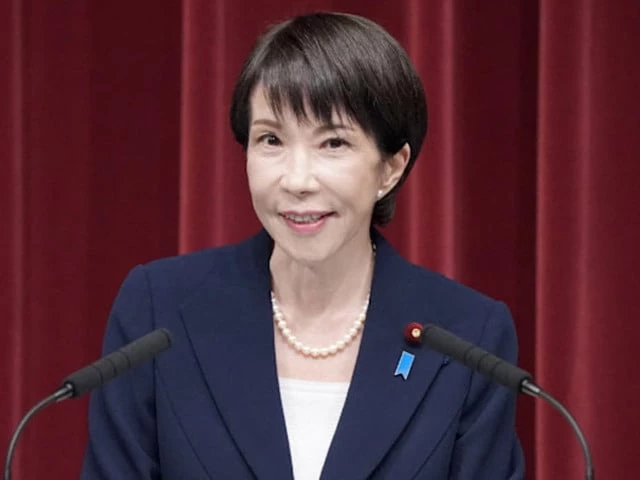
TOKYO: Japan is set to hold a snap general election on February 8, a move that has reshaped the country’s political landscape and sparked intense debate over leadership, economic policy, and Japan’s future direction. The decision to dissolve parliament and call an early poll comes amid mounting political pressure,
internal party challenges, and growing public concern over the economy, inflation, and national security.
The prime minister announced the snap election following weeks of speculation, arguing that a fresh mandate is necessary to address pressing domestic and international challenges. Speaking at a press conference, the prime minister said the country stands at a “critical crossroads” and requires strong, stable leadership to navigate economic uncertainty, regional security threats, and demographic decline. By calling an early election, the government aims to secure voter confidence before further political turbulence emerges.
Japan’s ruling coalition enters the race with both advantages and vulnerabilities. While it maintains a strong organizational base and experience in governance, recent opinion polls suggest declining public trust due to rising living costs, stagnant wage growth, and concerns over transparency. The snap poll is widely seen as a strategic gamble designed to capitalize on opposition disunity while resetting the government’s political momentum.
Opposition parties have criticized the timing of the election, accusing the prime minister of prioritizing political survival over policy continuity. Several opposition leaders described the snap poll as unnecessary and disruptive, arguing that parliament should have focused on economic relief measures and social welfare reforms rather than campaigning. Despite these criticisms, opposition groups are mobilizing quickly, framing the election as a referendum on government performance.
Economic issues are expected to dominate the campaign. Japan has struggled with persistent inflation pressures, a weak yen, and sluggish consumer spending. While the government has introduced stimulus packages and monetary support, critics argue these measures have failed to deliver meaningful wage growth or long-term stability. Voters are likely to scrutinize party platforms on taxation, subsidies, and strategies to revive economic growth.
National security is another key theme shaping the election. Japan has expanded its defense spending in response to rising regional tensions, particularly concerning China’s military activities and North Korea’s missile program. The ruling coalition has promoted a stronger defense posture and closer cooperation with allies, including the United States. Opposition parties, however, are divided, with some supporting enhanced defense capabilities and others warning against militarization and increased defense budgets.
Social issues, including Japan’s aging population and declining birth rate, are also expected to influence voter sentiment. Policymakers face mounting pressure to address labor shortages, pension sustainability, and healthcare costs. Proposals to encourage workforce participation, expand childcare support, and reform immigration policies are likely to feature prominently in campaign debates.
Political analysts note that snap elections in Japan are often used as a tactical tool by sitting leaders to consolidate power before approval ratings deteriorate further. However, such elections carry significant risks. A poor showing could weaken the ruling coalition, embolden opposition forces, or even trigger leadership challenges within the governing party itself.
Public reaction to the announcement has been mixed. Some voters welcome the opportunity to express their views amid ongoing uncertainty, while others express frustration at the disruption and cost of an early election. Turnout will be closely watched, as declining voter participation has become a growing concern in Japanese politics, particularly among younger voters.
International observers are also monitoring the election closely, given Japan’s role as a major economic power and key security partner in the Asia-Pacific region. Any shift in leadership or policy direction could have implications for regional diplomacy, trade negotiations, and defense cooperation.
As campaigning begins, parties are expected to intensify outreach efforts, emphasizing digital platforms and local engagement to sway undecided voters. With just weeks until election day, the snap poll sets the stage for a high-stakes political contest that could redefine Japan’s political trajectory.
The February 8 election will ultimately test whether the government’s call for renewed public trust resonates with voters or whether growing dissatisfaction translates into political change. The outcome is likely to shape Japan’s policy agenda and leadership stability for years to come.