Israeli authorities deny entry to Canadian parliamentarians seeking to visit the West Bank, sparking diplomatic and political debate
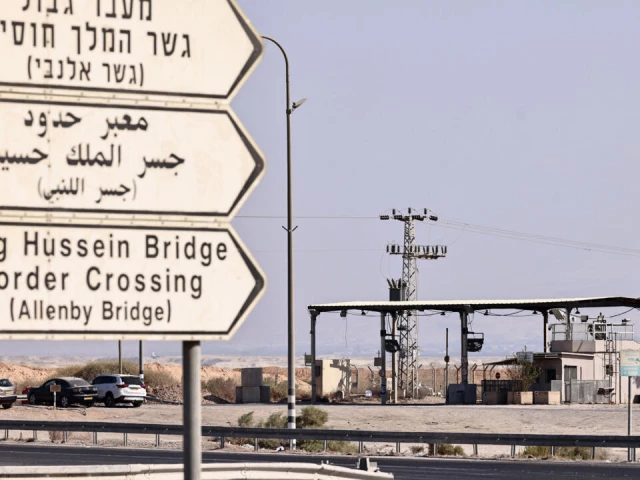
MONTREAL: Israeli authorities have blocked a group of Canadian lawmakers from entering the occupied West Bank at a border crossing, a move that has drawn attention from diplomatic circles and reignited debate over access, oversight, and foreign engagement in the Palestinian territories.
The incident occurred as the lawmakers attempted to cross into the West Bank as part of a planned visit aimed at assessing humanitarian, political, and security conditions on the ground. Israeli officials cited security and administrative reasons for the decision, while critics argue the move reflects growing restrictions on foreign delegations seeking to engage with Palestinian institutions.
According to Israeli authorities, the decision to deny entry was made following a review of the delegation’s itinerary and affiliations. Officials stated that Israel retains the sovereign right to control access at border crossings and emphasized that security considerations remain paramount, particularly in areas affected by ongoing tensions. Israeli government representatives have previously argued that certain foreign visits risk interfering in sensitive political matters or lending legitimacy to groups they consider hostile or controversial.
The Canadian lawmakers involved reportedly expressed disappointment over the decision, stating that their visit was intended to support dialogue, gather firsthand information, and engage with both Israeli and Palestinian stakeholders. They emphasized that parliamentary delegations often travel to conflict zones to better inform policy discussions at home and that restricting such visits undermines transparency and diplomatic engagement. Some members of the delegation described the denial as unprecedented and inconsistent with democratic norms.
The incident has prompted questions about Israel’s policies toward foreign officials seeking access to the West Bank. Human rights organizations note that Israel has increasingly restricted entry to politicians, activists, and NGOs perceived as critical of its policies toward Palestinians. These measures, critics argue, limit independent observation of conditions in the occupied territories and reduce opportunities for international engagement. Israeli officials counter that such restrictions are necessary to prevent political pressure campaigns and safeguard national security.
Canada’s government has acknowledged the situation and said it is seeking clarification through diplomatic channels. While Ottawa has traditionally maintained strong relations with Israel, it has also expressed support for a negotiated two-state solution and the importance of humanitarian access to Palestinian areas. Analysts suggest that the incident could create friction in bilateral relations, particularly if it is seen as a broader pattern rather than an isolated decision.
The West Bank remains a highly sensitive region, marked by frequent clashes, settlement expansion, military operations, and restrictions on movement. Foreign delegations often seek to visit the area to meet Palestinian officials, observe humanitarian projects, or assess the impact of Israeli policies on daily life. Access to the territory is controlled by Israel, which manages border crossings and entry permits. This control has long been a point of contention in international discussions about occupation and self-determination.
Political analysts note that Israel’s decision to block the Canadian lawmakers may also reflect broader regional dynamics and domestic political considerations. With heightened tensions and international scrutiny over the conflict, Israeli authorities may be increasingly cautious about visits that could result in critical reports or influence foreign policy debates abroad. At the same time, such actions risk reinforcing perceptions that Israel is limiting transparency and discouraging external oversight.
The denial has also sparked debate within Canada, where lawmakers and civil society groups are questioning how the incident aligns with Canada’s foreign policy principles. Some argue that restricting elected officials from observing conditions firsthand weakens informed decision-making and democratic accountability. Others caution that the situation should be handled through quiet diplomacy to avoid escalation or politicization.
International observers emphasize that incidents like this highlight the broader challenges facing diplomatic engagement in conflict zones. Balancing security concerns with openness to dialogue remains a complex task, particularly in protracted conflicts where narratives and perceptions play a significant role. Limiting access may reduce immediate risks, but it can also deepen mistrust and fuel criticism from allies and partners.
In conclusion, Israel’s decision to block Canadian lawmakers at a West Bank border crossing has raised important questions about access, diplomacy, and the role of foreign delegations in conflict areas. While Israeli authorities maintain that the move was justified on security grounds, the incident has drawn criticism and could have diplomatic repercussions. As Canada seeks further clarification and international attention remains focused on the West Bank, the episode underscores the delicate balance between national security and international engagement in one of the world’s most closely watched conflicts.