Coordinated Military Operations Against Iran Lead to Civilian Catastrophe as Strike on Minab School Kills At Least 40, Deepening Regional Crisis
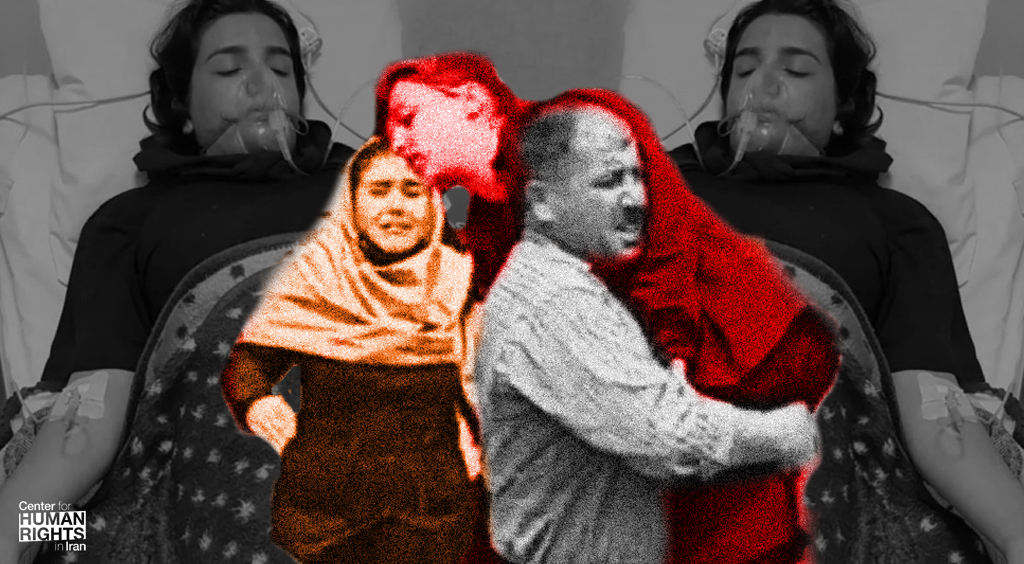
In a devastating escalation of the widening conflict between Iran, the United States, and Israel, the death toll from an attack on a primary girls’ school in southern Iran has reportedly risen to at least 40, according to Iran’s state-run IRNA news agency. The strike took place on Saturday, February 28, 2026, amid a broad series of U.S.–Israeli military operations targeting Iranian infrastructure and leadership.
The attack struck a girls’ elementary school in the city of Minab, located in the Hormozgan province of southern Iran — a region near the strategic Strait of Hormuz. Early reports indicated initial casualties, but later updates from Iranian state media confirmed the grim toll of 40 killed and numerous others wounded.
The Strike and Its Immediate Human Cost
According to state-run media, the strike hit the school while classes were in session, causing a mass casualty event among students and educators present at the time. While specifics about the age range and identities of the victims remain limited, many of the fatalities are believed to be young girls attending the school. Independent verification of the casualty figures and circumstances has not been confirmed due to the chaotic situation on the ground.
Additional reports indicate that dozens more were wounded in the blast, overwhelming local medical facilities already strained by the broader conflict. Iranian authorities have not yet released detailed demographic data on the victims, but the targeting of a civilian institution has sparked international condemnation and horror.
Context: A Broader U.S.–Israeli Offensive
This tragic event occurred against the backdrop of one of the most intense military confrontations the Middle East has seen in years. On the same day, U.S. and Israeli forces launched extensive strikes across Iranian territory, aiming at what they described as key military and political targets, including command infrastructure and missile sites. These actions were officially framed as efforts to counter what the allies described as Tehran’s ongoing threats from its nuclear ambitions and regional provocations.
The coordinated offensive has resulted in a complex and highly volatile security landscape across the Middle East, with explosions reported in multiple cities and panic spreading through affected communities. Iran’s government has vowed retaliation, and Iranian military forces have reportedly launched missiles and drones toward Israeli territory and U.S. assets in the region.
Regional and International Reactions
The attack on an educational institution has prompted swift reactions worldwide. Human rights advocates, regional governments, and international observers have expressed deep concern over the targeting of civilian infrastructure and the rising number of noncombatant casualties. Calls for independent investigations and humanitarian protections have grown louder as the conflict threatens to expand further.
Governments across the Gulf Cooperation Council (GCC) and beyond have issued statements either condemning the use of force or urging immediate de-escalation. Some major powers have called for emergency sessions at the United Nations Security Council to address the crisis, highlighting fears that the conflict could spiral into a broader regional or global confrontation.
The Fallout: Civilian Harm and Diplomatic Strain
The death of children at a school — a symbol of civilian life and education — has struck a particularly emotional chord both within Iran and internationally. Educational facilities are generally protected under international humanitarian law, and attacks on such institutions can amount to war crimes if found to be deliberate or negligent regarding civilian safety. Legal experts and international rights groups are calling for transparent investigations into the circumstances that led to this tragedy.
Iran’s state media has used the strike as further evidence of the existential threat Tehran perceives from U.S. and Israeli military policies, reinforcing Tehran’s narrative of confrontation and resistance. Iranian officials have reiterated their intent to defend the nation’s sovereignty and have warned of retaliation against all military and strategic targets associated with the attacking forces.
Potential Broader Impacts
The repercussions of the strike and the civilian deaths are likely to reverberate beyond immediate military consequences. A surge in public outrage could harden attitudes against negotiation and compromise, both within Iran and across allied nations. Regional stability, global oil markets — particularly around the Strait of Hormuz — and international peace efforts may all experience significant disruptions if the conflict continues to escalate.
In addition, the tragic loss of young lives in an educational setting could become a rallying point for activists and political movements worldwide, influencing public opinion and foreign policy debates in countries allied with both sides of the conflict.