As U.S.–Israel Strikes Slash Across Iranian Territory, Washington’s Strong Threats Fuel Global Fear of Nuclear Escalation Without Direct Confirmation of Nuclear Deployment Orders
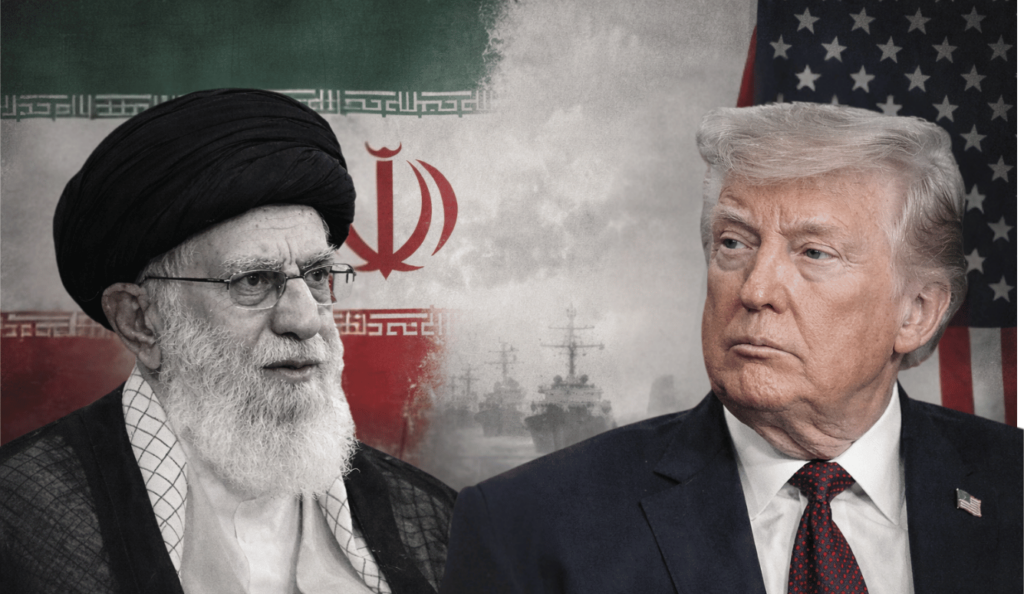
Amid one of the most intense phases of Middle Eastern conflict in decades, U.S. officials have issued exceptionally stark warnings to Iran, suggesting that failure to comply with American demands on its nuclear program and regional military posture could lead to the use of unprecedented military force. These warnings — including rhetoric interpreted by analysts as implying the possible use of extreme options — come against the backdrop of joint U.S.–Israeli strikes on Iranian territory and intensifying diplomatic deadlock.
However, no verified statement from U.S. government sources has confirmed the explicit intent to use a nuclear weapon against Iran — rather, officials have emphasized the severity of consequences if Tehran rejects terms and fails to negotiate a resolution. This nuance is critical as world leaders, security experts, and international institutions grapple with how close the region stands to a nuclear threshold.
Why Tensions Have Escalated
Tensions between Washington and Tehran have surged in recent months due to Iran’s nuclear ambitions, ballistic missile advancements, and proxy military activities across the Middle East. The United States — along with Israel — has repeatedly stated that Iran must permanently end all uranium enrichment, restrict its missile capabilities, and abandon support for militant groups such as Hamas, Hezbollah, and the Houthis.
In late February 2026, the U.S. and Israel launched extensive air and missile strikes deep into Iranian territory, under an operation dubbed Operation Epic Fury by some media outlets. The strikes targeted military facilities, command centers, and infrastructure linked to Iran’s nuclear and missile programs, significantly escalating the conflict.
Strong Warnings From U.S. Leadership
While statements can be fiery and blunt, they remain within the realm of diplomatic and military warning rather than confirmed nuclear deployment orders. In a public defense of U.S. actions, President Trump declared that Iran’s “missile program would be obliterated” and that Tehran would learn that “no one should challenge the strength and might of the United States’ armed forces.”
Senior U.S. officials and spokespeople have reiterated that Iran cannot obtain a nuclear weapon, framing this limit as a red line for American national security. For example, Vice President **J.D. Vance stated that “Iran cannot have a nuclear weapon,” and while diplomacy remains an option, “other options” exist if talks fail.
However, these rhetorical warnings — sometimes widely debated online and misinterpreted — are not formal public declarations from the U.S. government that it will resort to nuclear weapons. Instead, the intensity of the language underscores how dire U.S.–Iran relations have become. Diplomats worry that ambiguous, aggressive rhetoric increases the risk of misunderstanding and unintended escalation.
Iran’s Response and Regional Tensions
Iran has consistently denied that its nuclear program seeks weapons capability, insisting its nuclear activities are for peaceful energy purposes. Iranian leaders have also vowed firm resistance to foreign military threats and have hinted that any attack on Iranian soil would be met with serious retaliation.
Moreover, Iranian state officials have broadcast strong language about defending sovereignty and retaliating if forced into war, though Tehran continues to assert readiness to talk nuclear in a diplomatic framework.
International Reaction and Fear of Nuclear Escalation
International leaders are alarmed by how fast conflict rhetoric has moved toward references of worst-case scenarios. The United Nations and European powers have called repeatedly for restraint and a return to diplomacy, highlighting the grave risks of a wider war. While no global body has recorded an official U.S. statement about nuclear weapons use against Iran, the mere possibility — raised in political commentary and expert analysis — is unsettling world opinion.
Security analysts note that once nuclear rhetoric enters public dialogue, even if not legally or politically enacted, it heightens the psychological and strategic stakes, potentially driving miscalculations. Both Tehran and Washington remain deeply distrustful, with Tehran warning that American threats could consolidate regional resistance rather than compel capitulation.
The Path Forward
Experts agree that the ultimate path out of this crisis remains diplomacy — but only if negotiators can return to the table with mutual trust and clear framework agreements. Continued military escalation, especially involving threats of extreme force, increases the risk of a conflict that could draw in other regional and global powers, destabilize the global economy, and pose catastrophic humanitarian consequences.
In conclusion, while U.S. rhetoric toward Iran has grown severe and has implied powerful military options — including language that critics interpret as threatening extreme force — there is no verified, credible report of a formal U.S. government statement promising the use of nuclear weapons if Iran does not surrender. The world watches anxiously, hoping cooler heads and diplomatic channels prevent further escalation.