In-Depth Report on the Recent Missile Strike, Civilian Casualties, and Geopolitical Implications for the Middle East
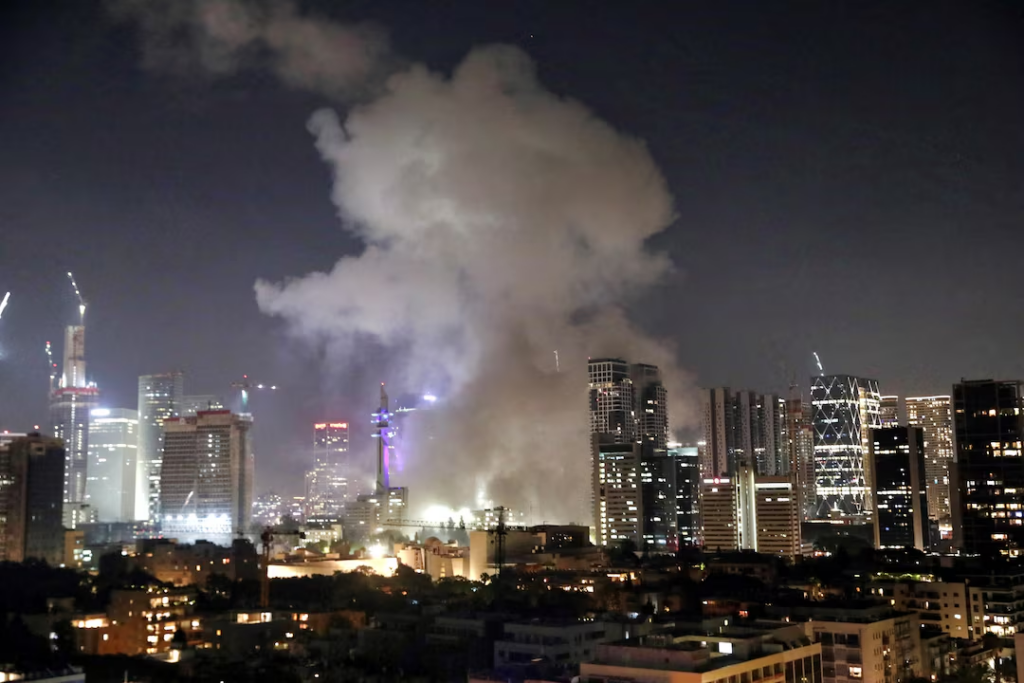
On March 1, 2026, a ballistic missile strike launched from Iranian territory targeted Tel Aviv, Israel, marking a dramatic escalation in the ongoing conflict between Israel and Iran. The missile attack led to the death of at least one civilian, with over 20 others injured, some critically. This attack represents the latest episode in a long-standing military standoff between the two countries, which has seen increasing use of advanced weaponry, including ballistic missiles and airstrikes. The Israeli Defense Forces (IDF) have quickly responded with airstrikes on Iranian military positions in Syria and Lebanon, escalating regional tensions even further.
Timeline of the Attack: How the Events Unfolded
The strike occurred around midday, when multiple ballistic missiles launched from Iranian-controlled regions reportedly hit key urban areas in Tel Aviv. According to sources close to Israel’s Ministry of Defense, the missiles targeted civilian infrastructure, including high-rise buildings and key transportation hubs in the heart of Tel Aviv. The attack sent shockwaves through the city, with several explosions heard throughout its bustling commercial district. The Israeli military immediately activated its Iron Dome defense system, which intercepted several incoming projectiles. However, the scale of the strike overwhelmed defenses, leading to a significant number of casualties.
Casualties and Immediate Impact
The first confirmed fatality was identified as a civilian in central Tel Aviv, who succumbed to injuries sustained in the blast. Over 20 others, including both Israeli citizens and foreign nationals residing in the city, were wounded in the attack. The severity of the injuries varied, with some victims being rushed to nearby hospitals in critical condition. Israeli medical teams and emergency responders were quickly deployed to the affected areas, providing immediate medical care to the wounded and assisting with evacuation operations. The incident has ignited widespread fear across Tel Aviv, with residents rushing to bomb shelters and some businesses temporarily halting operations in response to the air raid sirens.
As of the latest reports, no major military casualties have been confirmed on the Israeli side. However, the psychological toll on civilians has been immense, and the government has announced a state of emergency in Tel Aviv and other major urban centers to manage the crisis and prepare for possible further missile attacks. Authorities have urged citizens to remain vigilant and adhere to the country’s emergency protocols.
Iran’s Motivation and Political Context
This missile strike is seen as part of an escalating geopolitical conflict between Israel and Iran, which has been ongoing for decades, primarily over Iran’s nuclear ambitions and Israel’s military presence in the region. The strike could be in response to Israeli airstrikes against Iranian military sites in Syria and Lebanon earlier in the week, as well as Israel’s growing influence in Arab nations through normalization agreements. The Iranian government, under President Ebrahim Raisi and Supreme Leader Ayatollah Ali Khamenei, has consistently stated that it views Israel’s actions as provocative and a direct threat to its security.
Israel’s Response to the Missile Attack
In response to the attack, Israel’s Prime Minister Naftali Bennett delivered an urgent televised speech, vowing retaliation and reinforcing Israel’s stance on protecting its citizens at all costs. He declared that Israel’s military was prepared for further escalation and would respond swiftly and decisively to any additional threats. Bennett confirmed that Israeli forces had already initiated airstrikes targeting Iranian missile launch sites in Syria and Iranian-controlled positions in southern Lebanon. He also called upon the international community to condemn Iran’s aggressive actions and take further diplomatic and economic measures to curb Tehran’s missile capabilities.
Meanwhile, the United Nations has issued a statement calling for an immediate ceasefire and urging both parties to return to the negotiating table. Secretary-General António Guterres has also called for an independent investigation into the attack, emphasizing the importance of preventing the conflict from escalating further into a regional war.
Geopolitical Implications for the Middle East
This missile strike highlights the volatile security situation in the Middle East, where the power struggle between Iran and Israel continues to shape broader regional dynamics. The conflict is not only a bilateral issue but also involves other key players such as the United States, Russia, and Saudi Arabia, all of whom have their own interests in the region. The U.S., which has long been an ally of Israel, has pledged support for Israeli self-defense, while Iran continues to challenge Western influence in the region. With tensions rising, the likelihood of further military escalation remains high, and the situation could have long-term consequences for stability in the Middle East.
Conclusion
As of now, the ballistic missile strike on Tel Aviv remains one of the most significant escalations in the Israel-Iran conflict. While the loss of life and injuries are deeply tragic, the wider geopolitical consequences could affect not only Israel and Iran but also have ripple effects across the entire Middle East. Israel’s swift military response has made it clear that it will not tolerate further attacks, while Iran’s actions underscore the ongoing regional volatility. As this situation develops, the international community must stay vigilant, work toward diplomacy, and ensure that the escalation does not spiral into a full-scale regional conflict.