Comprehensive Analysis of Global Media Claims, Official Statements, and What We Know About His Status as of March 1, 2026
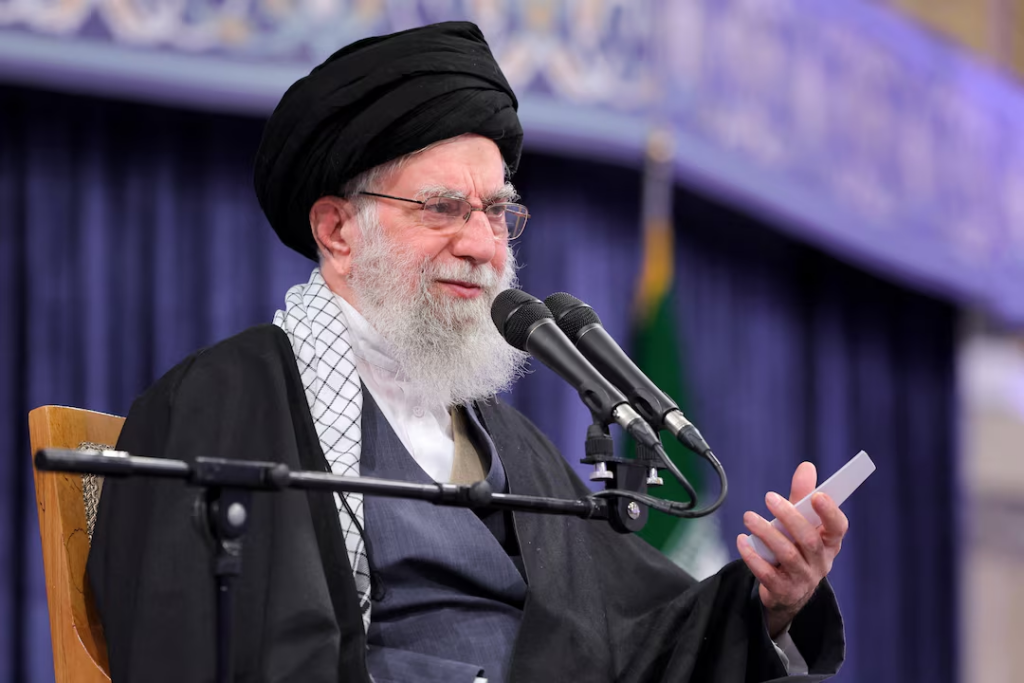
In the past 24 hours, world news media — including Reuters, Associated Press, NDTV, and others — have carried conflicting reports and claims about the health and status of Iran’s Supreme Leader, Ayatollah Ali Khamenei, following dramatic military strikes on Iranian territory. Some international outlets and Israeli officials have asserted that there are “growing signs” or even confirmation that Khamenei has been killed in joint United States and Israeli operations, while Iranian government sources and foreign ministry officials strongly deny these claims, insisting he remains alive. This situation has generated a wave of global speculation — and in some cases misinformation — about the fate of Iran’s highest authority, making it essential to separate verifiable facts from premature conjecture.
On February 28, 2026, senior Israeli officials publicly claimed that the compound of Ayatollah Ali Khamenei was targeted and destroyed during a coordinated military offensive conducted by U.S. and Israeli forces against key Iranian sites, including Tehran. According to those statements, there were “many signs” that Khamenei had been killed or was no longer alive, and reports even emerged from Israeli media outlets suggesting that his body had been recovered from the rubble of the destroyed compound. These claims were cited by multiple international sources stating that the strike hit areas associated with Iran’s leadership and that foreign intelligence assessments pointed toward possible leadership decapitation.
However, these assertions have not been independently verified by credible, on‑the‑ground reporting nor confirmed by official Iranian government sources. In fact, Iranian state officials vehemently denied that Khamenei was killed, with Foreign Minister Abbas Araghchi telling NBC News that, “as far as I know,” the supreme leader and other top Iranian officials were alive and safe despite the intensity of the strikes. The foreign minister emphasized that although some commanders may have been lost, the core leadership structure, including Khamenei, remained intact.
Reuters and Associated Press have similarly reported the lack of direct confirmation from either the U.S. or Iranian leadership regarding Khamenei’s death, while highlighting that Israeli officials made the claims without presenting publicly accessible evidence or verified documentation. These news wires noted that such assertions must be treated cautiously until confirmed by multiple reliable, independent sources — a standard practice in international journalism.
The current conflicting narratives reflect a broader challenge in global reporting during periods of intense conflict. In fast‑breaking crises, initial statements by political or military leaders — taken as fact by some parts of the media — can quickly spread across international news channels without full verification. This is especially true in situations involving military operations and political agendas, where information becomes a contested space as much as the physical battleground. For example, major agencies like Reuters have pointed out that, although Israeli sources may claim they’ve recovered a body, independent confirmation (such as eyewitness reporting, direct government statements, or verified imagery) remains absent.
Experts in media analysis often warn that rumors and premature reports can be mistakenly amplified as news, especially on social media and less‑regulated platforms, creating a distorted impression of certainty. Even when reputable outlets report statements by world leaders, those reports are usually framed within the context of “claims” or “assertions” rather than established facts. In this case, international media coverage falls into two clear categories: (1) reports emphasizing Israeli government claims that Khamenei may be dead, and (2) reports emphasizing Iranian government denials that he is deceased. Neither side has yet provided definitive proof that triggers wider global confirmation.
Importantly, international news organizations like NDTV note that satellite imagery does show extensive damage to Khamenei’s compound, but do not provide direct evidence of his presence or absence at the time of the attacks. Such imagery alone cannot confirm life or death — only that structures were struck.
In summary, as of March 1, 2026, the claim that Ayatollah Ali Khamenei is dead remains unverified. World media coverage reflects significant disagreement between political claims and on‑the‑record official denials. What the global public can reliably state is that there is no irrefutable evidence confirming Khamenei’s death, and responsible reporting must highlight this distinction between claims and verified facts. As new information becomes available, updates from internationally recognized and rigorously fact‑checked news organizations will be crucial in uncovering the true situation.
——