Intense cross-border fighting intensifies as Hezbollah targets Israeli troops in southern Lebanon, signaling deepening northern front tensions
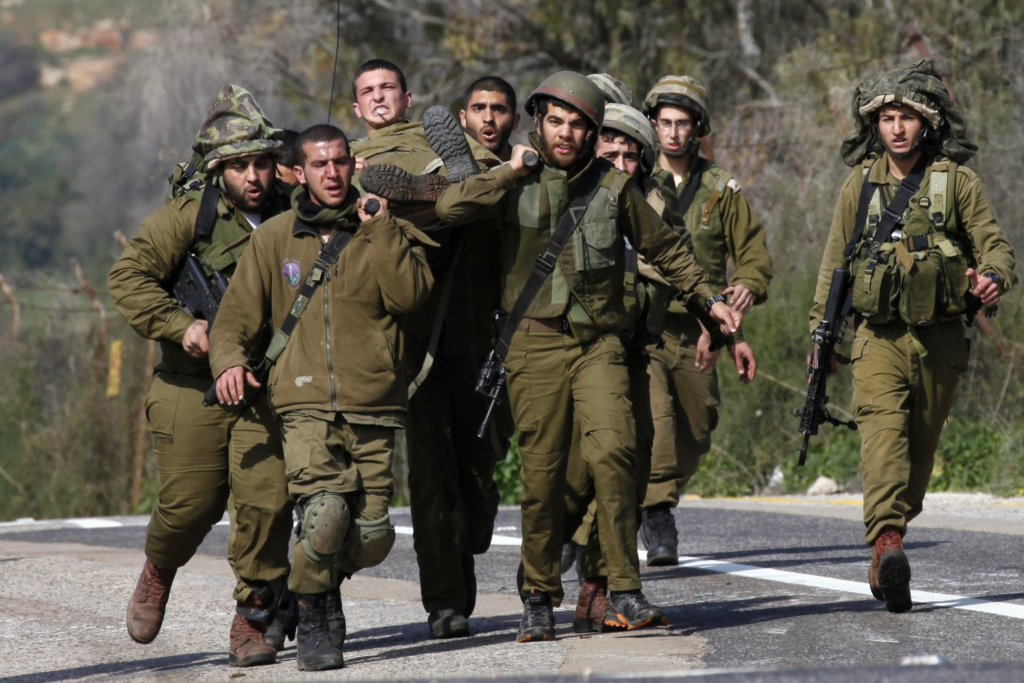
Fresh clashes between Hezbollah fighters and Israel Defense Forces troops have marked a dangerous escalation along the southern Lebanon front, with reports confirming that two Israeli officers were severely wounded and at least seven other soldiers injured during targeted attacks.
According to military sources, the confrontation occurred in Southern Lebanon, an area that has become a key battleground in the expanding regional conflict. Hezbollah fighters reportedly launched a coordinated assault using anti-tank guided missiles and small arms fire, specifically targeting Israeli military positions and patrol units operating near the border.
Israeli officials confirmed that the wounded personnel were evacuated for emergency medical treatment, with the two officers described as being in serious condition. The attack triggered immediate retaliatory strikes by Israeli forces, including artillery shelling and airstrikes aimed at Hezbollah positions across southern Lebanon.
How the Clash Unfolded
Initial reports suggest that Hezbollah fighters executed a precision ambush, striking Israeli troops with advanced anti-armor weaponry. These types of weapons—often supplied or supported by Iran—are capable of penetrating armored vehicles and fortified positions, making them a key asset in Hezbollah’s arsenal.
The ambush appears to be part of a broader strategy by Hezbollah to increase pressure on Israel’s northern front, forcing the Israeli military to divide its attention and resources between multiple active conflict zones, including threats from Iran and other regional actors.
Rising Tensions on the Northern Front
The fighting in southern Lebanon is not an isolated incident but part of a wider escalation that has been building over recent weeks. Hezbollah has significantly increased the frequency and intensity of its attacks, including rocket fire, drone strikes, and targeted assaults on Israeli military units.
For Israel, the northern border has become one of the most volatile fronts in the ongoing war. The presence of heavily armed Hezbollah fighters just across the border poses a constant threat, with the potential for clashes to quickly spiral into a full-scale war between the two sides.
Strategic Implications
Military analysts warn that incidents like this highlight the growing risk of a multi-front conflict. With Hezbollah actively engaging Israeli forces in Lebanon, Iran launching missile attacks, and other allied groups participating in hostilities, Israel faces increasing pressure on multiple fronts simultaneously.
The use of targeted attacks against Israeli officers also suggests a deliberate attempt by Hezbollah to inflict high-impact casualties and disrupt command structures within the Israeli military. Such tactics are designed not only to achieve tactical gains but also to deliver psychological pressure.
Civilian and Regional Impact
While the latest clash primarily involved military targets, the broader conflict has already displaced thousands of civilians on both sides of the Israel-Lebanon border. Ongoing shelling and airstrikes have damaged infrastructure and raised fears of a humanitarian crisis if fighting continues to intensify.
In Lebanon, the situation remains particularly fragile, as continued hostilities risk further destabilizing the country’s already strained political and economic systems. Meanwhile, Israeli communities near the border remain on high alert, with frequent sirens and evacuation warnings disrupting daily life.
What Comes Next
The latest confrontation underscores how quickly tensions can escalate into direct combat. Both Israel and Hezbollah have signaled readiness to continue operations, raising concerns that larger and more sustained battles could follow.
As international calls for de-escalation grow, the situation on the ground remains highly volatile. The coming days will be critical in determining whether the conflict can be contained or whether it will expand into a broader regional war involving multiple actors.