Air raid sirens echo across major cities as Iran launches fresh rocket barrage toward central Israel, testing air defense systems
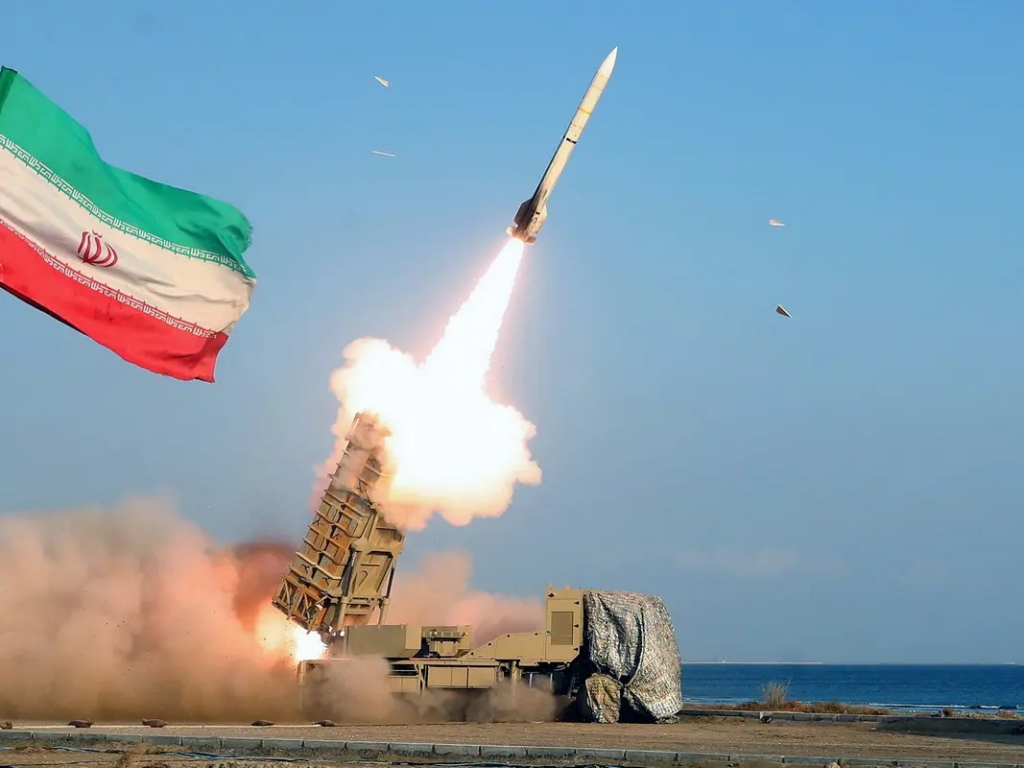
A new wave of rockets launched by Iran toward central Israel has marked a sharp escalation in the ongoing conflict, with air raid sirens activated across densely populated regions including Tel Aviv and surrounding areas. The barrage underscores Iran’s continued offensive capability despite weeks of sustained strikes on its military infrastructure.
According to initial reports, multiple rockets were fired in quick succession, triggering Israel’s nationwide alert systems and forcing civilians into shelters. The Israel Defense Forces confirmed that its air defense systems were actively engaged, intercepting several incoming projectiles while monitoring others that posed potential threats to populated areas.
Sirens Across Central Israel
Residents in central Israel experienced intense moments as warning sirens sounded, signaling incoming threats. Cities like Tel Aviv and nearby metropolitan zones were placed on high alert, with emergency protocols activated to minimize civilian casualties.
Israel’s multi-layered defense systems—including Iron Dome—were deployed to intercept short- and medium-range rockets. While many projectiles were successfully neutralized mid-air, authorities acknowledged that some debris or rockets may have landed in open areas.
Iran’s Strategy and Capabilities
The latest barrage reflects Iran’s evolving military strategy, which relies on saturation attacks—launching multiple rockets simultaneously to overwhelm air defense systems. By increasing the volume and frequency of attacks, Iran aims to exploit potential gaps in interception capabilities and maintain constant pressure on Israeli infrastructure and civilian populations.
Despite earlier reports suggesting that Iran’s missile arsenal had been significantly degraded, recent developments indicate that Tehran retains a substantial запас of rockets and launch capabilities. Many of these assets are believed to be stored in fortified underground facilities, allowing Iran to sustain prolonged operations.
Rising Risk of Multi-Front War
This attack comes amid simultaneous escalations on other fronts, including clashes with Hezbollah in southern Lebanon and missile threats from Yemen. The coordination of these attacks suggests a broader regional strategy aimed at stretching Israeli defenses across multiple directions.
Military analysts warn that continued rocket barrages targeting central Israel—home to key economic and population centers—could have significant consequences. Even with high interception rates, the psychological and economic impact of repeated sirens and disruptions is substantial.
Civilian Impact and Emergency Response
Israeli emergency services were placed on high alert following the barrage, with medical teams and first responders mobilized across affected areas. While no immediate large-scale casualties were reported, authorities emphasized the importance of following safety instructions and remaining near shelters.
The repeated activation of sirens highlights the ongoing strain on civilian life, as residents must frequently interrupt daily activities to seek safety. Schools, businesses, and transportation networks continue to face disruptions as the conflict intensifies.
What This Means Going Forward
The renewed rocket attacks signal that the conflict is far from de-escalation. Iran’s ability to launch sustained barrages toward central Israel indicates that its offensive capabilities remain intact, raising concerns about prolonged hostilities.
As both sides continue to exchange strikes, the risk of further escalation—potentially involving additional regional actors—remains high. Diplomatic efforts to reduce tensions have yet to yield significant breakthroughs, leaving the situation highly volatile.
The coming days will be critical in determining whether this latest wave of attacks leads to a broader military escalation or prompts renewed international pressure for a ceasefire.