Deep analysis of Iran’s retaliation pledges and potential escalation of attacks on the United States and Israel after the death of Supreme Leader Ayatollah Ali Khamenei
In a dramatic escalation of Middle East tensions, Iran has promised a severe and unprecedented retaliatory campaign against the United States and Israel following the death of Supreme Leader Ayatollah Ali Khamenei in joint US–Israeli attacks on 28–29 February 2026. This development marks a major turning point in the decades‑long geopolitical struggle involving Tehran, Washington, and Jerusalem, signaling the possibility of a wider and more intense phase of conflict.
The Catalyst: Khamenei’s Death and Military Strikes
Over the weekend, the United States and Israel launched a massive coordinated military operation against Iranian strategic and leadership targets, widely reported as the most significant direct strike on Iran in decades. The offensive, which included airstrikes and missile attacks, hit key military installations and reportedly destroyed parts of Tehran. Iranian state media confirmed the death of Ayatollah Ali Khamenei, who had led the Islamic Republic since 1989, marking the first time a sitting Iranian supreme leader has been killed in foreign military action.
The attack triggered immediate Iranian retaliation, with Tehran’s forces launching missile and drone strikes on U.S. and Israeli assets across the Middle East, including bases in the Gulf and strikes on military infrastructure in and around Israel. These responses have already led to casualties and regional instability, with explosions reported in multiple countries and air defenses activated in Israel and allied states.
Iran’s Revolutionary Guards Promise “Most Ferocious Offensive”
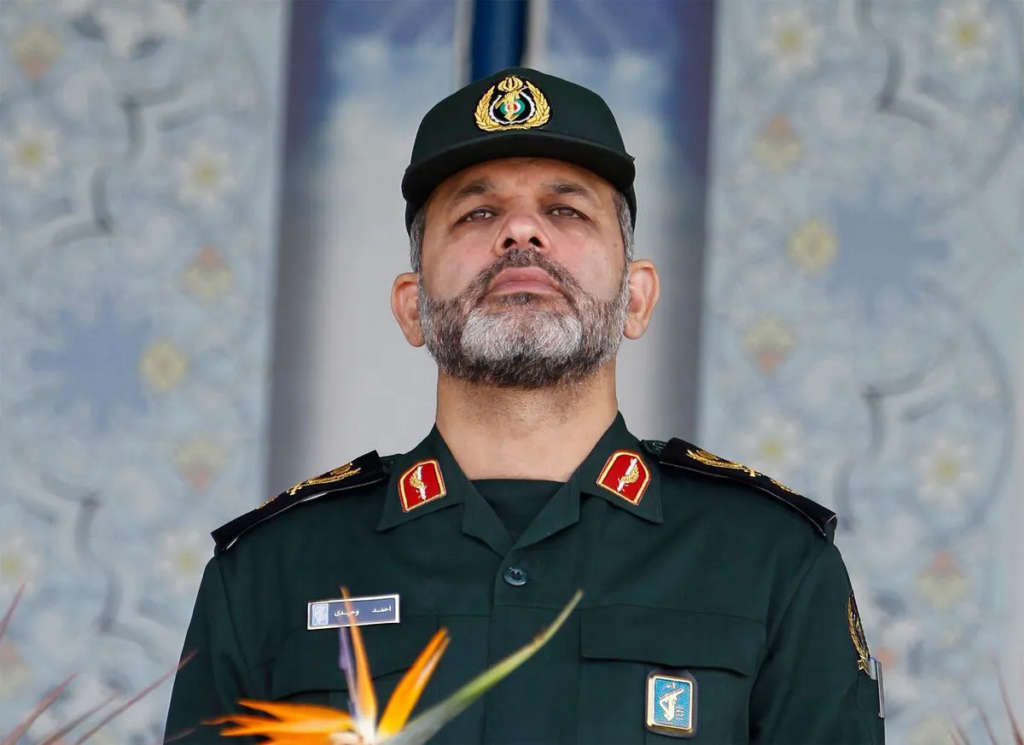
In response to the killing of Khamenei, Iran’s elite Islamic Revolutionary Guard Corps (IRGC) released a statement vowing what it described as the “most ferocious offensive operation in history” against the United States and Israel. The IRGC, a powerful branch of Iran’s armed forces known for its influence in both military and political spheres, declared that Tehran’s retaliation would be a decisive and powerful punishment for what it calls the “murderers” of their supreme leader.
The IRGC’s statement, posted on official communication channels, emphasized that Iran’s armed forces and allied groups are prepared to intensify military actions and that Tehran’s response will be sustained and severe. Such rhetoric reflects a deep resolve to retaliate against perceived aggression and protect the Islamic Republic’s interests and prestige.
Broadening Conflict: Regional Strikes and Allied Targets
Iran’s retaliation has already expanded beyond its borders. Reports from Iranian media and international outlets indicate that missiles and drones have targeted:
- U.S. military bases in the Gulf region, including in Bahrain, Kuwait, Qatar, and the United Arab Emirates;
- Israeli military infrastructure and defense systems;
- Military sites in neighbouring allied nations hosting Western forces.
This multi‑front approach signals that Tehran is seeking to leverage the broader network of its military alliances and strategic reach rather than limiting its response to direct confrontations with troops or assets solely within Iran. The Iranian government has also declared a 40‑day mourning period, further fuelling nationalistic sentiments and calls for revenge across the country.
Political and Strategic Significance of Iran’s Threats
Iran’s vow to launch a ferocious campaign against the U.S. and Israel carries deep strategic and symbolic meaning:
- Demonstrating Military Resolve: Iran’s leadership aims to counter perceptions of vulnerability after the blow of losing its supreme leader by showcasing continued military capability and readiness.
- Mobilizing Regional Influence: The IRGC and Tehran’s allied paramilitary networks across Lebanon, Yemen, Iraq, and Syria provide Iran with proxy platforms to expand any conflict beyond direct state‑to‑state engagements.
- Internal Political Messaging: For Iran’s domestic audience, such vows of retaliation are framed as honouring Khamenei’s legacy and defending national sovereignty against foreign aggression. This narrative bolsters the regime’s ability to maintain unity during crises.
Regional and Global Implications
The implications of Iran’s retaliation are significant and multifaceted:
- Escalation Risk: With both Iran and Western powers signaling aggressive postures, the possibility of retaliatory cycles looms large, increasing the risk of wider clashes in the Middle East.
- Allied Involvement: U.S. and Israeli responses may attract support or condemnation from global powers, including NATO allies, Russia, and China, complicating diplomatic efforts.
- Economic and Security Disruptions: Escalated conflict could disrupt oil markets, international shipping routes such as the Strait of Hormuz, and global trade, creating broader economic consequences.
What Comes Next?
At this stage, Iran’s leadership has publicly committed to an intensification of military actions, which could involve:
- Continued missile and drone strikes against U.S. and Israeli military facilities;
- Proxy attacks through allied militia groups in Lebanon (Hezbollah), Yemen (Houthis), and Iraq;
- Cyber operations targeting Western infrastructure, in addition to conventional military action.
The unfolding situation remains highly fluid, and diplomatic channels are under pressure to prevent further escalation, including emergency meetings by international bodies and coalition partners. Nonetheless, Iran’s explicit vow to undertake its most severe offensive yet against the United States and Israel marks a critical juncture with far‑reaching implications for international security and regional stability.