Explained: Who is Ayatollah Alireza Arafi, How Iran’s Temporary (Waqti) Supreme Leadership Council Works, and What This Means for the Islamic Republic
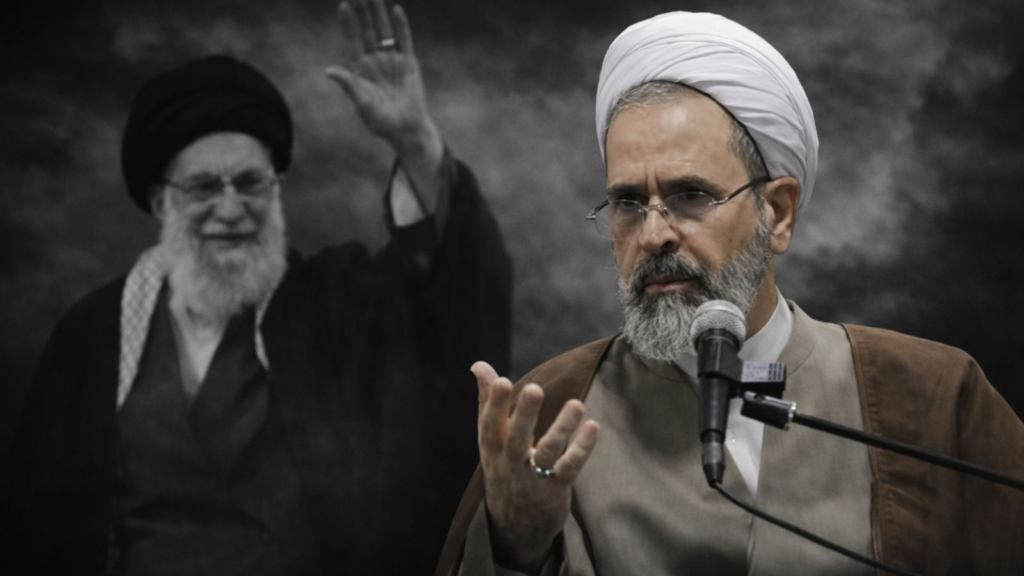
On 1 March 2026, Iran plunged into an unprecedented political transition after its long‑time Supreme Leader Ayatollah Ali Khamenei was killed. In the immediate aftermath, Iran’s political system invoked Article 111 of the constitution, triggering the activation of a temporary leadership body to ensure continuity of state authority until a permanent successor is chosen. As part of this extraordinary process, Ayatollah Alireza Arafi has been appointed as a key member of that transitional leadership council, effectively assuming the core duties of the Supreme Leader on an interim basis.
Who Is Ayatollah Alireza Arafi?
Ayatollah Alireza Arafi is a senior Iranian religious and political figure with deep roots in the Islamic Republic’s clerical and constitutional institutions. Born in 1959 in Meybod in Iran’s Yazd province, Arafi has steadily risen through the ranks of the country’s religious establishment, earning respect among hardline clerics and political elites alike. He serves in several powerful roles, including as a member of the Guardian Council and the Assembly of Experts—the crucial body responsible for selecting and overseeing Iran’s Supreme Leader. Arafi also heads Iran’s network of seminaries and previously led the Al‑Mustafa International University, a major theological institution.
His clerical pedigree and institutional experience made him a logical choice for inclusion on the interim leadership council once the constitutional mechanism was triggered following Khamenei’s death. Before these events, Arafi was already considered one of the most influential figures within Iran’s clerical hierarchy, with strong ties to both conservative religious authorities and the ruling establishment.
What Happened to Ayatollah Ali Khamenei?
Ayatollah Ali Khamenei, aged 86, was Iran’s Supreme Leader since 1989 and arguably the most powerful figure in the Islamic Republic’s political system. He succeeded Ayatollah Ruhollah Khomeini, the founder of the Iranian revolution, and over his nearly four decades in power consolidated authority across Iran’s military, political, and religious institutions. Khamenei’s leadership was characterized by hardline domestic policies, a confrontational foreign policy stance, and the empowerment of Iran’s Revolutionary Guard Corps.
In late February 2026, Iranian state media confirmed Khamenei’s death following joint military strikes by the United States and Israel—events that catapulted Iran into one of the most serious leadership transitions in its modern history.
How the Interim Leadership Council Works
Under Article 111 of the Iranian constitution, a vacuum in the office of Supreme Leader triggers the formation of a temporary leadership council until a new Supreme Leader is elected by the Assembly of Experts. This mechanism is designed to prevent a leadership vacuum in times of crisis.
The interim council is composed of:
- Iran’s President – Masoud Pezeshkian
- The Head of the Judiciary – Gholamhossein Mohseni Ejei
- A clerical jurist from the Guardian Council – Ayatollah Alireza Arafi
Together, these three figures act collectively as the de facto head of state and exercise the functions and authorities of the Supreme Leader during the transition period. Arafi, as the clerical representative, holds a particularly symbolic and practical role, given that the position of Supreme Leader has historically required both religious standing and constitutional legitimacy.
Why Arafi’s Appointment Matters
Arafi’s selection to the interim council carries several strategic implications:
- Continuity of Governance: With external attacks and internal uncertainty, Iran’s constitutionally mandated leadership transition helps prevent a power vacuum that could destabilize the country.
- Clerical Authority: As a respected theologian and jurist, Arafi provides religious legitimacy to the transitional authority, which is essential in a theocratic political system.
- Stability and Unity: The inclusion of executive and judicial leaders alongside Arafi reflects an effort to balance political power and maintain unity among Iran’s elites during a deeply sensitive period.
What’s Next for Iran’s Leadership?
The interim leadership council is temporary by design. The next step in Iran’s constitutional process will be for the Assembly of Experts—an 88‑member clerical body—to convene and select a permanent Supreme Leader. This decision will shape Iran’s political, religious, and foreign policies for years to come.
Until then, the interim council and Arafi’s role ensure that Iran’s governance continues without interruption, even as the nation faces both domestic uncertainties and geopolitical pressures.