Amidst Rising Tensions, Iranian Authorities Confirm the Supreme Leader’s Health and Safety Following False Reports
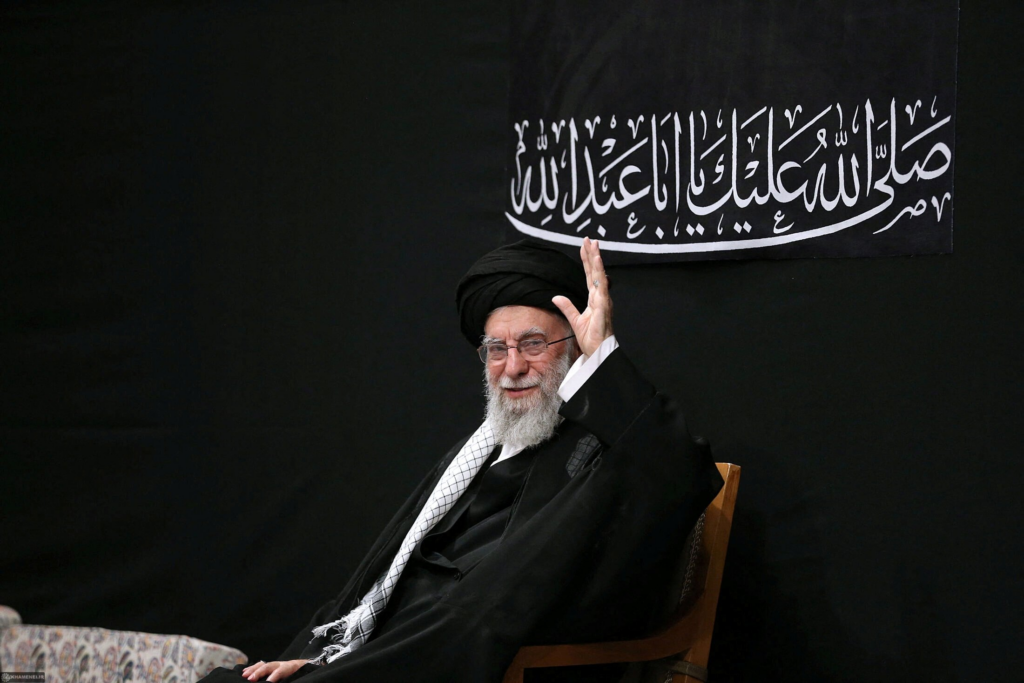
On March 1, 2026, reports emerged across various international news channels, especially in the context of heightened military tensions between Iran and Israel, claiming that Ayatollah Ali Khamenei, the Supreme Leader of Iran, had been critically injured or even killed. These reports were fueled by unverified rumors and claims, primarily originating from Israeli sources. However, within hours of these claims, Iranian government officials, including Foreign Minister Abbas Araghchi, issued official statements confirming that Ayatollah Ali Khamenei is alive and completely safe, dispelling the unfounded rumors. This article delves into the events surrounding the false reports, the official clarifications, and the geopolitical implications of the news.
The Origin of the False Reports: Unverified Claims and Speculations
The confusion began after several international news agencies, including prominent Israeli media outlets, published speculative reports claiming that Khamenei had been targeted in an airstrike or missile attack that took place near Tehran. These reports initially surfaced after Israeli officials asserted that Iran’s leadership might have been hit during a joint U.S.-Israeli military operation in Syria and Lebanon. Some outlets went as far as claiming that Khamenei was critically injured in the attack, with a few even suggesting that he had passed away. These unverified statements quickly spread through social media channels and some international news networks, creating a sense of panic and confusion about the status of the Iranian Supreme Leader.
Iran’s Official Response: Confirming the Leader’s Safety
Despite the widespread rumors, the Iranian government wasted no time in refuting the claims and providing clear statements regarding the health of Ayatollah Khamenei. Abbas Araghchi, the Iranian Foreign Minister, addressed the media in a special televised interview, assuring the Iranian public and the world that Khamenei is safe and in good health. He stated, “As of now, there is no truth to the rumors circulating about our Supreme Leader’s health. These are just baseless speculations aimed at creating chaos and confusion.” Araghchi’s statements were echoed by other top Iranian officials who called for calm and assured the nation that Khamenei remained in his official residence in Tehran.
Further, Iranian state television aired footage of Ayatollah Khamenei, engaging with high-level officials in meetings, visibly appearing in good health, which helped put an end to the rumors that were spreading rapidly.
Understanding the Propaganda War: Why False Reports Gain Traction
The spread of these false reports reflects the broader geopolitical struggle and propaganda efforts within the region, particularly between Iran and Israel, two nations that have had a longstanding history of conflict. Iran’s growing military influence in Syria and Lebanon, as well as its nuclear ambitions, has made it a central player in the Middle Eastern geopolitical landscape. Israel, on the other hand, has repeatedly expressed concerns over Iran’s nuclear capabilities and its support for various militant groups in the region.
In such a high-stakes political environment, rumors about the death or incapacitation of a leader like Khamenei are often used as a psychological tool to weaken the adversary. In the case of Iran, Khamenei’s leadership is seen as the backbone of its revolutionary ideology and strategic direction. Thus, any perceived disruption to his leadership, such as rumors of his death, is likely to create instability and confusion within Iran, something that both regional and international opponents of Iran could potentially exploit.
The Importance of Accurate Reporting in Times of Crisis
This incident underscores the importance of accurate reporting and verified information in times of international conflict. As news agencies and governments rushed to provide updates on Khamenei’s health, the line between speculation and factual reporting became blurred. While several international outlets quickly retracted their initial claims after Iranian officials made their statements, the damage was done: misinformation had already spread to millions globally, creating uncertainty.
Moreover, the digital age has amplified the spread of rumors and false news, particularly on platforms like Twitter, Facebook, and Instagram, where unverified claims can go viral in a matter of hours. This highlights the need for journalists and media organizations to rely on credible, firsthand sources and official confirmations before disseminating information that could affect national security or public perception.
What’s Next for Iran and the Region?
With the false rumors about Khamenei’s death now put to rest, the focus will return to Iran’s ongoing geopolitical issues, particularly its tense relations with Israel, the U.S., and regional allies. Iran’s military strength, particularly its missile and air defense capabilities, remains a central issue in its standoff with Israel. In response to the ballistic missile strike on Tel Aviv earlier this week, Iranian officials have made it clear that they are prepared to defend their sovereignty at all costs, leading to concerns of further escalation in the region.
Khamenei’s leadership will continue to shape Iran’s role in the Middle East. His survival and continued rule are seen as critical for the Islamic Republic’s stability, and his influence over key military and political decisions will remain a focal point of international diplomatic efforts.
Conclusion: The Real Story Amidst the Chaos
In conclusion, the news of Ayatollah Ali Khamenei’s death was entirely false, and the Iranian Supreme Leader is alive and well. While the misinformation caused temporary confusion, the situation has now been clarified, thanks to official confirmations from the Iranian government. The incident serves as a stark reminder of the power of media and the need for responsible journalism in reporting sensitive geopolitical events. As the situation in the Middle East continues to evolve, accurate and reliable news reporting will be crucial in maintaining global stability.