Iran-linked drones target Kuwait airport fuel facilities, triggering large blazes and raising regional security concerns amid ongoing Middle East tensions
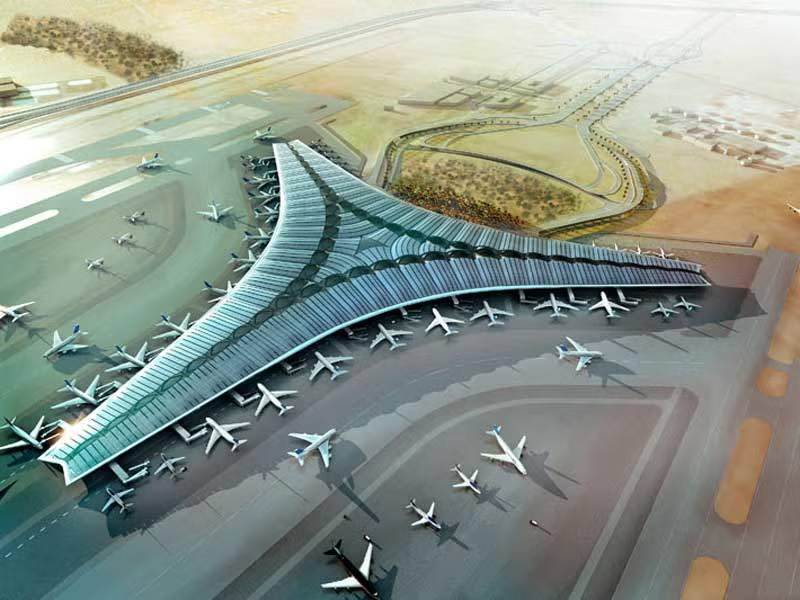
On April 1, 2026, Kuwait International Airport was struck by a series of Iran-linked drone attacks that targeted fuel storage tanks, resulting in large fires but, thankfully, no reported casualties, according to Kuwaiti authorities. The incident marks a significant escalation in hostilities spilling into the Gulf region as tensions from the ongoing Middle East conflict continue to widen beyond traditional battlefields.
The Civil Aviation Authority of Kuwait confirmed that unmanned aerial vehicles struck fuel tanks belonging to the Kuwait Aviation Fueling Company (KAFCO), sparking intense flames that drew emergency response teams to the scene. While the full extent of the damage is still being assessed, initial reports indicate material destruction concentrated around the fuel storage facilities.
Kuwait’s official spokesman, Abdullah Al-Rajhi, described the assault as a “blatant attack” by Iran and Iran-backed armed groups, reflecting the widening scope of the conflict that has seen drone and missile strikes across Gulf states in recent weeks. Despite the dramatic nature of the fires, authorities reported no casualties, underscoring effective emergency response protocols and rapid deployment of firefighting units.
The attack follows a series of Iranian drone operations in Kuwait, including earlier strikes that damaged the airport’s radar systems and disrupted air traffic, although those also did not result in loss of life. Kuwait’s airspace has been intermittently closed since the outbreak of the broader Iran conflict, with many commercial flights diverted to neighboring airports due to safety concerns.
Context of the Conflict
The strikes on Kuwait’s airport are part of a broader pattern of Iranian drone and missile operations across the region, linked to the ongoing conflict between Iran and a coalition of U.S. and allied forces. In recent weeks, multiple Gulf states have reported attacks on military installations, infrastructure, and now critical civilian fuel facilities.
These developments reflect the evolving nature of modern warfare, where unmanned systems are increasingly used to strike high-value logistical and energy infrastructure. Targeting fuel storage at a major international airport not only disrupts civilian logistics but also carries implications for regional economic stability and global energy markets.
Operational Impact and Safety Response
Emergency teams at Kuwait International Airport were swift to respond to the fires, deploying firefighting and containment resources to prevent the blaze from spreading beyond the fuel tank area. While material losses have been confirmed, the absence of human casualties is a critical relief for authorities and residents alike.
The airport’s operational capacity, however, remains uncertain. Kuwait’s airspace has been intermittently restricted due to ongoing hostilities, with many airlines continuing to divert flights as a precaution. Long-term disruption could have ripple effects on travel and commerce throughout the Gulf, given Kuwait’s role as a key regional aviation hub.
Regional and Global Implications
The drone strikes come at a time of heightened geopolitical tension in the Middle East, where the conflict has already affected oil supply routes, commercial shipping lanes, and international diplomacy. The Gulf is home to a significant portion of the world’s oil exports, and any attack on energy infrastructure — whether refineries, tankers, or airport fuel depots — has the potential to influence global oil prices and economic stability.
In addition to infrastructure damage, the psychological impact of repeated attacks has raised security concerns among Gulf Cooperation Council (GCC) states, prompting discussions about enhanced air defense systems and collaborative defense strategies. The UAE, Saudi Arabia, and Kuwait have all reported similar incidents in recent weeks, indicating a regional security environment that remains volatile.
Diplomatic Reactions
Kuwait’s government has condemned the drone attacks in strong terms, holding Iran and allied militant groups responsible and calling for international support to deter future strikes. This diplomatic push underscores the challenge facing smaller Gulf states caught between major military powers and regional conflicts that increasingly involve non-state actors and proxy forces.
International actors, including Western governments, have expressed concern about the spillover effects of the conflict. There are growing calls for renewed diplomatic engagement to prevent further escalation, especially as attacks target civilian infrastructure with broader implications for global economic systems.
What’s Next?
As investigations continue and emergency responses wind down, the focus will turn to how Kuwait and its allies bolster defenses against future unmanned aerial threats. Analysts suggest that the attacks may accelerate procurement of advanced air defense systems and increased intelligence sharing among Gulf states.
For now, the incident at Kuwait International Airport stands as a stark reminder of how modern conflicts increasingly blur the lines between military and civilian targets, with energy and infrastructure becoming central battlegrounds. The coming days will be critical in determining whether this trend of drone strikes escalates further or whether diplomatic pressures can help contain the conflict’s expansion.