Tehran declares latest wave of strikes under True Promise 4, targeting U.S. and Israeli assets across the Middle East amid intensifying conflict
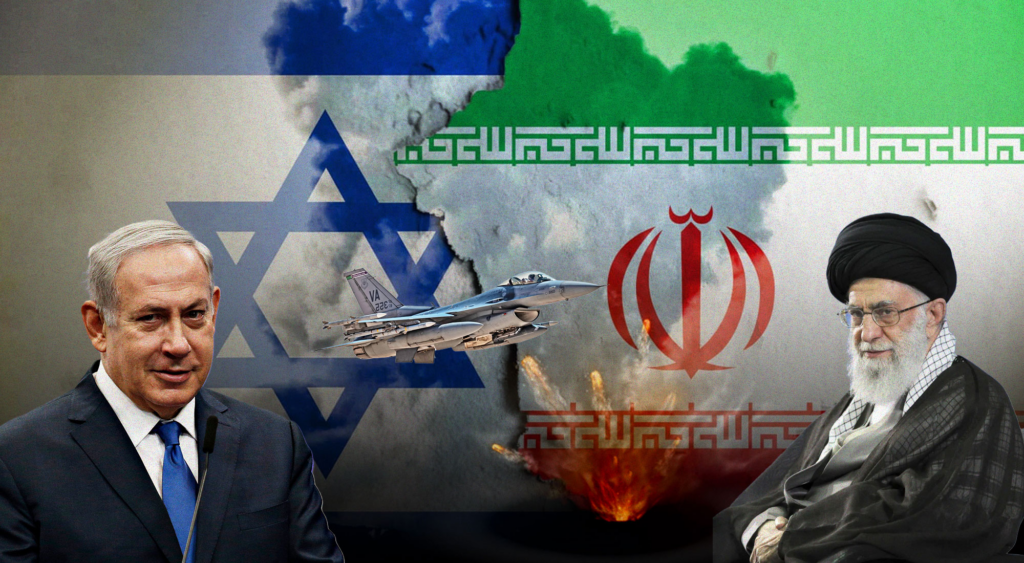
Iran has officially announced a significant escalation of its ongoing military campaign, known as Operation True Promise 4, marking yet another wave of coordinated strikes against United States and Israeli positions across the Middle East. The latest phase, described as the 88th wave, underscores Tehran’s commitment to sustaining high-tempo military operations even as diplomatic and military pressures mount.
According to Iranian state media and military officials, the most recent escalation involved multiple offensives carried out by the Islamic Revolutionary Guard Corps (IRGC) Navy and associated allied forces. These operations reportedly included missile and drone attacks on strategic targets in the Persian Gulf and broader region, including maritime vessels, military bases, and early warning radar installations.
Iran’s military narrative frames the continued waves of True Promise 4 as defensive responses to what it describes as ongoing aggression by U.S. and Israeli forces. Iranian officials have repeatedly asserted that their strikes are legitimate acts of self-defense under international law, intended to protect national sovereignty and deter foreign intervention.
Scope of the Latest Escalation
The 88th wave of operations reportedly included combined naval and aerial assaults targeting U.S. Fifth Fleet installations, radar systems near key bases in Bahrain and Kuwait, and explosive drone attacks against positions along the Persian Gulf. Iran also claimed to have struck a container ship in the Gulf with ballistic missiles, highlighting the multi-domain nature of the escalation.
Iran’s statements emphasized control over the Strait of Hormuz, a critical global shipping lane, warning that any movement by enemy forces would be met with further missile and drone strikes. These declarations reflect Tehran’s broader strategic message that it retains the capability and will to continue sustained operations across multiple fronts.
Background of True Promise 4
Operation True Promise 4 is the fourth and most expansive iteration of a series of military campaigns launched by Iran in response to escalating hostilities with the United States and Israel. Previous phases have involved hundreds of missile and drone launches against military and strategic infrastructure in Israel, U.S. bases in the Gulf, and allied Arab states.
State media has periodically reported new “waves” of the operation, each consisting of coordinated strikes designed to degrade enemy capabilities and assert Iran’s strategic reach. Earlier waves included attacks on U.S. military support facilities, Israeli communications networks, and sites across the Gulf region.
Regional Impact and Military Dynamics
The escalation of True Promise 4 has intensified already fragile regional security dynamics. Gulf states, including Kuwait, Bahrain, and the United Arab Emirates, have experienced direct and indirect impacts from the conflict, including drone and missile strikes on infrastructure and military assets. These developments have raised concerns among neighboring countries about spillover effects and the potential for broader instability.
In response to the heightened threat environment, several Gulf Cooperation Council (GCC) nations have bolstered air defenses and restricted airspace usage to protect civilian and commercial aviation. The ongoing operations have also disrupted regional shipping routes and contributed to volatility in global energy markets due to fears of further conflict near critical oil transit corridors.
International Reactions and Diplomatic Pressures
International reactions to the escalation have been mixed. Western nations have condemned the strikes on U.S. and allied forces, emphasizing the need for de-escalation and renewed diplomatic engagement. Some European countries have called for restraint on all sides, warning that continued military actions could undermine efforts to negotiate a ceasefire or peace framework.
The United States has maintained that it seeks to achieve its strategic objectives while minimizing civilian harm, though U.S. officials have reiterated that military pressure will persist until Tehran alters its behavior. Meanwhile, indirect diplomatic channels remain active, with intermediaries such as Pakistan and other regional actors attempting to bridge gaps between the conflicting parties.
Strategic Implications of True Promise 4 Escalation
The latest escalation under True Promise 4 highlights several key strategic implications:
- Prolonged Conflict: The continued waves suggest that Iran is prepared for a sustained military campaign rather than a short-term engagement.
- Multi-Domain Warfare: The use of missiles, drones, and naval assets reflects a complex approach to modern warfare that spans land, sea, and air.
- Regional Security Risks: Neighboring states are increasingly drawn into the conflict’s orbit, raising the risk of broader regional instability.
- Diplomatic Challenges: Escalation complicates peace efforts, as each side asserts conditions for negotiations while continuing military operations.
Conclusion
Iran’s announcement of an intensified phase of Operation True Promise 4 underscores the persistent volatility of the Middle East conflict. With each new wave of strikes, Tehran signals its intent to sustain pressure on U.S. and Israeli forces, even as diplomatic efforts continue in parallel. The evolving dynamics of this operation will remain a critical focal point for analysts, policymakers, and global observers as the conflict unfolds.