Italy’s Stance on Ukraine Conflict Challenges EU Unity and Sparks Tensions with France and the UK
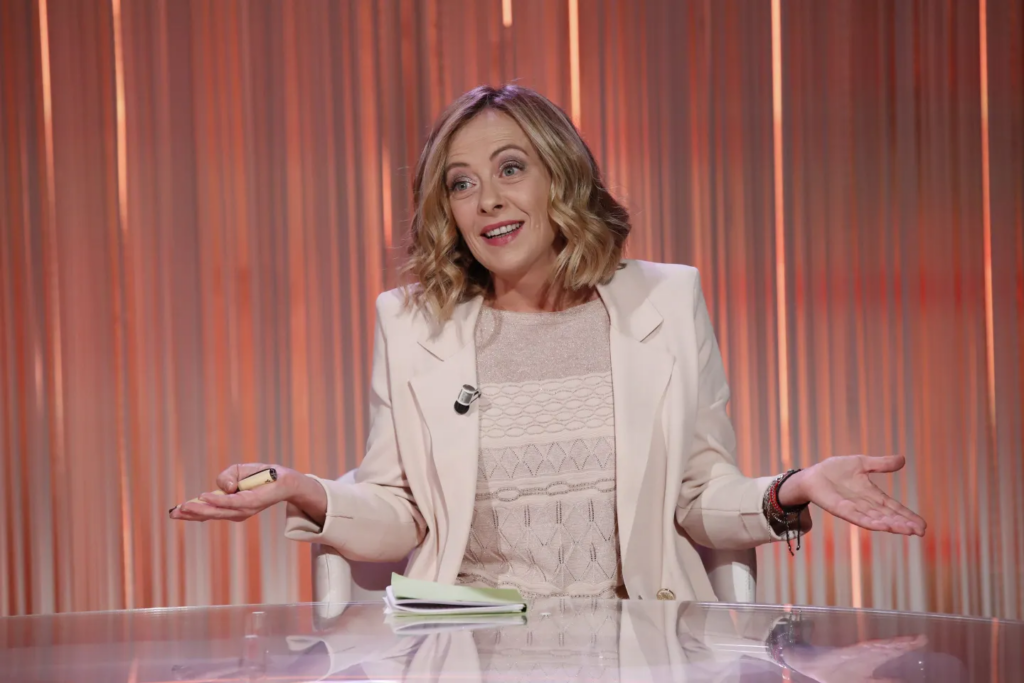
In a significant diplomatic move, Italy has officially refused to join France and the United Kingdom in supporting Ukraine against Russia in the ongoing conflict that has dominated global headlines since February 2022. This decision marks a notable shift in Italy’s foreign policy and raises questions about the future of European unity regarding the war in Ukraine. While France and the UK have staunchly backed Ukraine with military aid, sanctions on Russia, and political support, Italy’s position diverges sharply, signaling deeper divisions within the European Union.
This development comes at a time when European solidarity has been critical in presenting a united front against Russia’s invasion of Ukraine. The conflict has resulted in thousands of deaths, displacement of millions, and severe economic consequences for Europe and beyond. Italy’s refusal to align with France and the UK in supporting Ukraine challenges not only the diplomatic cohesion of the EU but also highlights the complex geopolitical and economic factors at play within Europe.
The Italian Rejection: Why Now?
Italy’s decision to withhold support for Ukraine comes after months of internal debates and growing concerns over the escalating costs of the war. While Italy, under previous Prime Minister Mario Draghi, was among the EU countries supporting Ukraine, there has been a noticeable shift since the change in leadership. The new Italian Prime Minister, Giorgia Meloni, who took office in 2022, has adopted a more cautious stance towards the conflict, reflecting the growing skepticism within certain segments of the Italian population regarding the prolongation of the war.
The Italian government, led by the right-wing coalition under Meloni, has raised concerns over the economic toll the war has taken on Europe. Italy, as one of the EU’s most indebted countries, is facing rising inflation, energy crises, and food supply challenges exacerbated by the war. Meloni’s administration has signaled a preference for peace negotiations rather than continued military support for Ukraine. The decision reflects Italy’s struggle with balancing its commitments to NATO and the EU with the economic and social pressures at home.
Moreover, Italy’s historical ties with Russia, particularly in the energy sector, cannot be overlooked. The country has long been reliant on Russian natural gas, and the disruption of energy supplies due to sanctions has hit Italy particularly hard. The shift in Italy’s foreign policy could, in part, be attributed to a desire to avoid further alienating Russia, especially as European energy prices remain high.
France and the UK’s Response: Strained Relations Within the EU
Italy’s refusal to back Ukraine has caused a ripple effect among its European partners. France and the UK have been two of the most vocal and consistent supporters of Ukraine, providing substantial military aid, imposing sanctions on Russia, and taking a hardline approach towards Moscow. For both countries, the war in Ukraine is seen as a defining moment in defending European values, democracy, and security.
France, under President Emmanuel Macron, has been particularly proactive in diplomatic efforts, advocating for European unity and strengthening NATO’s presence in Eastern Europe. Macron has been a vocal critic of Russian aggression, calling for more robust sanctions and military support for Ukraine. Similarly, the UK, under Prime Minister Rishi Sunak, has led the charge in providing military supplies, including weapons, training, and intelligence, to Ukrainian forces.
Italy’s refusal to support Ukraine in the same manner has put a strain on its relationship with France and the UK, raising questions about the cohesion of the EU in dealing with external threats. The UK, having left the European Union, is no longer bound by EU consensus but remains a critical player in European security matters. France, as the EU’s second-largest economy, is particularly concerned about the potential rift caused by Italy’s shift in policy.
The Impact on European Unity
The divergence in policy between Italy and the UK/France coalition highlights the growing fractures within the European Union regarding how to respond to the Russian invasion of Ukraine. The EU has largely presented a united front in imposing sanctions on Russia, providing aid to Ukraine, and supporting NATO’s eastern flank. However, Italy’s recent refusal to follow through with the same level of commitment to Ukraine suggests that the EU may be facing internal divisions that could undermine its ability to act cohesively on this critical issue.
The decision also places pressure on the EU’s long-term strategy for addressing the conflict. If other EU members, particularly in Southern Europe, begin to adopt similar positions to Italy, the EU’s overall stance could weaken. This would complicate efforts to maintain strong sanctions on Russia, increase military support to Ukraine, and pressure Moscow to end its aggressive actions.
For Italy, the decision to reject direct support for Ukraine does not mean an abandonment of the broader EU framework. Meloni’s government has emphasized that Italy will continue to participate in EU-wide sanctions and diplomatic efforts. However, the shift marks a significant change in Italy’s approach to foreign policy and its willingness to challenge the prevailing stance within the EU on the Ukraine conflict.
Economic Concerns: Italy’s Vulnerability
Italy’s economic vulnerability has been a major factor in its foreign policy shift. As one of the EU’s most indebted nations, Italy is grappling with the economic fallout from the war in Ukraine. Rising energy costs, food insecurity, and inflation have put a strain on Italian households and businesses. The cost of supporting Ukraine through military aid and sanctions on Russia has added to Italy’s financial burden.
The decision to distance itself from the UK and France’s unwavering support for Ukraine can also be seen as a strategic move to protect Italy’s own economic interests. The country has faced significant challenges in transitioning away from Russian energy sources, and the economic downturn exacerbated by the war has pushed many Italians to question the long-term benefits of continued involvement in the conflict.
While the Italian government has expressed a commitment to peace, it also finds itself balancing its NATO obligations with growing domestic pressure to avoid further escalation of the war. The economic consequences of supporting Ukraine have become a major consideration, and Italy’s shift could be seen as an attempt to prioritize its own economic stability.
Conclusion: A Complex Diplomatic Landscape
Italy’s refusal to support Ukraine in the same way as France and the UK represents a significant shift in European foreign policy and highlights the complex interplay between domestic concerns, international alliances, and economic interests. While Italy remains a part of the EU and NATO, its reluctance to fully back Ukraine raises questions about the future of European unity in the face of external threats.
As the conflict in Ukraine continues to unfold, the EU will need to address the growing divisions within its ranks. The position taken by Italy, along with the response from other EU members, will shape the trajectory of Europe’s involvement in the war and its role in global geopolitics moving forward. Italy’s decision may be a wake-up call for European leaders to find a more unified approach to dealing with Russian aggression, balancing support for Ukraine with the economic realities facing EU member states.