Detailed report on how three American service members lost their lives in combat with Iran, the evolving “Operation Epic Fury,” Tehran’s retaliation, and the broader geopolitical consequences
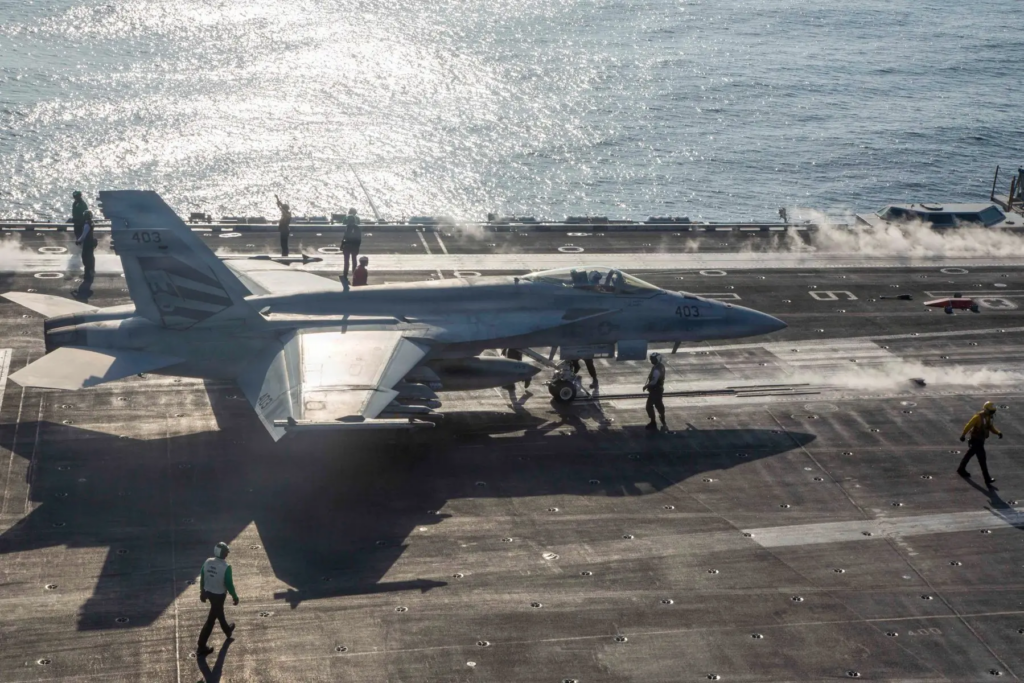
In one of the most serious escalations of the ongoing Middle East conflict, three U.S. soldiers were killed and five others seriously wounded during military actions involving Iran, the Pentagon has confirmed. These deaths represent the first acknowledged American military fatalities in direct operations against Iran in the rapidly intensifying confrontation that has gripped the region. The announcement by U.S. Central Command (CENTCOM) underscores how a series of military engagements—sparked by joint U.S.–Israeli strikes—have turned into a wider conflict with significant human, strategic, and diplomatic consequences.
What Happened: U.S. Confirmed Casualties in ‘Operation Epic Fury’
On March 1, 2026, CENTCOM publicly announced that three American service members were killed in action during combat operations against Iran, while five more were listed as “seriously wounded.” Several others sustained minor shrapnel injuries and concussions and are being processed for duty or treatment. Due to the fluid nature of the situation, officials have withheld the identities of the fallen soldiers pending notification of their next of kin.
These fatalities occurred during “Operation Epic Fury,” a coordinated military campaign that includes air, sea, and land assaults directed at Iranian military and strategic targets. The offensive was launched in response to escalating tensions after Iran’s Supreme Leader Ayatollah Ali Khamenei was reportedly killed in earlier strikes, triggering Tehran’s vow of revenge and a fierce campaign of missile and drone attacks against U.S. forces and allied interests in the region.
Context: From Strategic Strikes to Full‑Blown Conflict
The conflict’s immediate catalyst was a major U.S.–Israeli bombardment of Iranian targets, described by command officials as a preemptive effort to dismantle key elements of Iran’s military infrastructure and strategic capabilities. This bombardment extended across air, land, and naval domains and was accompanied by intensive missile and drone launches aimed at critical Iranian military and communication facilities.
Iran responded with retaliatory strikes targeting U.S. bases and positions across the Gulf region, including attacks on installations in Qatar, Kuwait, Bahrain, and the United Arab Emirates. Tehran’s strategy sought to leverage both direct strikes and proxy networks across the Middle East to pressure U.S. forces and their allies, leading to cascading engagements across multiple fronts.
Why These U.S. Casualties Matter
The deaths of American troops in this conflict are significant on multiple levels:
- First Confirmed U.S. Combat Deaths: Despite rising tensions and skirmishes in recent years, this marks the first public acknowledgment of American soldiers killed in action in the current Iran conflict, emphasizing the serious escalation beyond limited engagements or defensive postures.
- Psychological and Political Impact: U.S. military casualties elevate domestic and international scrutiny of the conflict’s trajectory. Loss of life among American troops could influence public opinion, congressional oversight, and internal policy debates regarding the scope and objectives of U.S. involvement.
- Operational Challenges: The circumstances and locations of these deaths have not been fully disclosed, reflecting both ongoing operational security concerns and the complex nature of active combat zones spanning multiple countries and military theaters.
How the Broader Conflict Unfolded
The confrontation between the United States and Iran did not emerge suddenly; rather, it evolved from years of mounting geopolitical tension, proxy conflicts, and mutual distrust. However, the latest series of military strikes represent a marked escalation, involving direct offensive operations rather than isolated defensive responses.
Iran’s retaliatory strikes have targeted U.S. bases and allied infrastructure throughout the Gulf, demonstrating Tehran’s capability and willingness to engage far beyond its own borders. Similarly, allied forces—including those of the United States, Israel, and other regional partners—have responded with continued airstrikes and strategic bombardment.
Regional and Geopolitical Implications
The deaths of U.S. soldiers amid this conflict have profound implications:
- Escalation Risks: American combat fatalities signal how quickly localized engagements can spiral into broader confrontations, increasing the risk of extended warfare with high human and economic costs.
- Military Strategy and Objectives: The United States faces difficult choices about force deployment, engagement rules, and overall strategy as it seeks to balance deterrence with restraint and avoid wider regional destabilization.
- Diplomatic Strain: Allies and adversaries alike are watching closely, with global powers such as China, Russia, and the European Union monitoring developments that could shift alignments, sanctions regimes, and diplomatic efforts.
- Domestic Reaction: Losing soldiers in combat is likely to resonate deeply within the United States, potentially reshaping narratives around foreign policy, military engagement, public support, and media coverage.
Conclusion: A Conflict at a Critical Juncture
The confirmed deaths of three U.S. soldiers during military actions involving Iran represent a grave escalation in one of the most serious international conflicts of recent decades. As Operation Epic Fury continues and Tehran’s retaliatory campaign persists, the situation remains highly volatile. Military authorities emphasize that combat operations are ongoing, and further developments may unfold rapidly. The emergence of American casualties underscores the severity of the conflict, raising critical questions about its future course, diplomatic avenues for de‑escalation, and the potential global ramifications of wider confrontation.