Dubai-based airline Emirates bans Iranian citizens from entering or transiting through the UAE, reflecting heightened regional security concerns
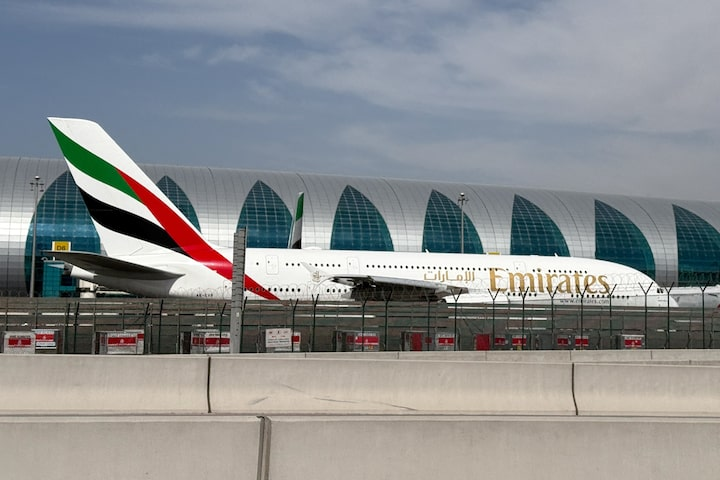
Dubai-based airline Emirates has announced that Iranian nationals are no longer permitted to enter or transit through the United Arab Emirates (UAE), a dramatic travel restriction that underscores rising geopolitical tensions in the Gulf region. The policy change, published on Emirates’ official website on April 1, 2026, comes as conflict involving Iran, the United States, Israel, and Gulf states intensifies.
According to the airline’s updated travel guidance, nationals of Iran are barred from both entering and transiting the UAE, including through major aviation hubs such as Dubai International Airport and Abu Dhabi International Airport. This restriction affects Iranian passport holders planning travel or connections through the UAE, which historically served as a key global transit point.
Emirates’ announcement follows similar travel advisories from other regional carriers, including flydubai and Etihad Airways, which have also updated their rules regarding Iranian travellers. While some exemptions were previously offered — such as for Iranian citizens holding UAE Golden Visas or certain residency permits — the new ban represents a more comprehensive travel restriction in practice.
Background: Regional Security and Travel Policy Shift
The entry and transit ban is widely seen as a response to escalating tensions in the Middle East, particularly linked to Iran’s military actions and retaliatory operations against Gulf states. Recent months have seen drone strikes, missile attacks, and heightened military alertness across the region, including incidents involving Kuwait Airport and other infrastructure.
While Emirates itself did not publicly detail the specific reasons for the ban, analysts and regional observers interpret the move as part of broader security and diplomatic recalibrations by Gulf Cooperation Council (GCC) states. With the UAE closely aligned with Western partners and Gulf allies, restricting Iranian travel is viewed as a precautionary step amid uncertain regional dynamics.
Details of the Ban and Exemptions
The official guidance indicates that Iranian passport holders are generally prohibited from entering or transiting the UAE. However, exceptions previously reported — and still referenced by some carriers — include:
- Iranian nationals with a valid UAE Golden Visa
- Spouses or children of UAE citizens
- Certain professionals (such as doctors, engineers, senior executives)
- Athletes and individuals with special permits
These exemptions are not uniformly referenced across all airline notices, and travellers are strongly advised to check current visa and entry requirements before booking flights.
The apparent inconsistency between airlines’ exemption lists and Emirates’ stricter language has caused confusion among travellers, especially those who had already planned trips or held valid residency status. Some Iranian expatriates have reported difficulties returning to the UAE due to sudden visa revocations or transit blocks.
Impact on Travel and Transit Routes
The UAE has long been one of the world’s busiest air travel hubs, with Emirates alone connecting hundreds of destinations across six continents. Iranian travellers often used Dubai and Abu Dhabi as transit points for flights to Europe, Asia, and Africa. The new restriction disrupts these travel patterns, forcing many passengers to seek alternative routes through Turkey, Qatar, or European hubs.
Beyond individual travellers, the ban may also affect business travel, tourism, and cultural exchange between Iran and the UAE. In recent years, Iranian nationals made frequent visits to the UAE for shopping, medical tourism, and family visits. These sectors could face economic consequences if travel remains restricted.
Diplomatic and Geopolitical Context
The Emirates travel ban must be understood within the broader Middle East geopolitical landscape, where diplomatic relations between Iran and several Gulf states have deteriorated sharply. Iran’s military activities — including drone and missile strikes in the Gulf and against allied interests — have heightened security concerns among neighboring countries.
The UAE, a key economic and diplomatic player in the region, has increasingly coordinated with Western allies on security matters. Limiting Iranian travel may be intended to mitigate perceived risks associated with escalation, while also signaling alignment with broader coalition efforts.
Reactions and Future Outlook
The announcement has prompted varied reactions. Some Iranian travellers and expatriates have expressed frustration and uncertainty, particularly those with ongoing travel plans or business commitments in the UAE. Others have speculated on potential diplomatic ramifications, including impacts on bilateral relations between Iran and the UAE.
International observers note that travel bans often reflect deeper political shifts. Should tensions continue to rise, other nations may adopt similar policies affecting travel and transit for Iranian nationals. Conversely, a de-escalation in the conflict could lead to future revisions of current restrictions.
Conclusion
Emirates’ decision to block entry and transit for Iranian nationals marks a significant development in travel policy tied to geopolitical tensions in the Middle East. With the UAE serving as a major global travel hub, this ban has wide-ranging implications for Iranian travellers, regional diplomacy, and international aviation. As the situation evolves, travellers and stakeholders should stay informed of ongoing updates from airlines and government authorities.