Iran’s renewed ballistic missile fire triggers widespread alerts in Israel, escalating tensions in the 2026 Iran-Israel conflict and testing air defense systems.
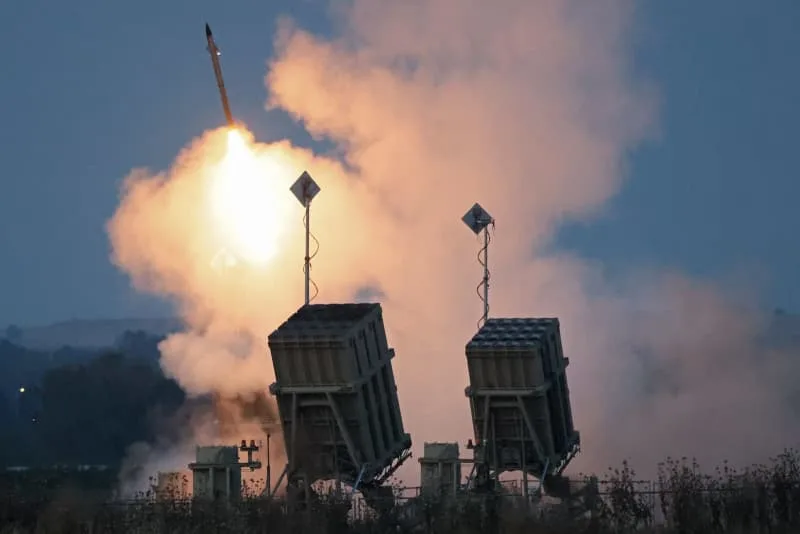
Air raid sirens blared across northern and central Israel on Wednesday after the Israeli military detected a new ballistic missile launch from Iran, forcing civilians into shelters and highlighting the widening scope of hostilities in the ongoing 2026 conflict between Israel and Tehran-aligned forces.
According to live updates from The Times of Israel, the Israeli Defense Forces (IDF) identified the latest missile launch early in the morning, prompting civil defense sirens across major population centers, including areas in central Israel such as Tel Aviv and northern regions near Haifa.
This latest barrage follows a series of missile and rocket attacks that have characterized the conflict in recent weeks, as Iran continues to fire long-range ballistic missiles toward Israel in retaliation for ongoing Israeli and U.S. strikes inside Iranian territory.
Sirens and Civil Defense Response
The civil defense sirens, designed to give residents precious seconds to seek cover, sounded across multiple cities, triggering an urgent rush into underground shelters, public transit stations, and reinforced safe rooms. Video and eyewitness reports showed residents in Haifa and Tel Aviv quickly moving to protected areas after alerts were issued.
In northern cities close to the Lebanese border, where tensions have also been fueled by Hezbollah rocket fire, sirens have become a near-daily reality. In central Israel, sirens are less common, but this launch marked one of the most widespread alerts in recent days.
Civil defense authorities have stressed the importance of public preparedness. Israel’s Home Front Command uses an extensive siren network that can notify residents of incoming threats within seconds, often followed by instructions to seek immediate shelter.
Missile Launch Context and Regional Escalation
The missile launch is part of a broader escalation in the Middle East, where Iran has repeatedly launched ballistic missiles and drones toward Israel in response to coordinated Israeli and U.S. military strikes against Iranian military sites. Analysts say Tehran’s use of ballistic missiles represents an effort to pressure Israel strategically and signal its continued military capabilities.
Earlier in the conflict, Iranian missiles and their fragments caused injuries and property damage in several cities, underscoring the dangers posed even when intercept systems successfully engage threats. Reuters and local outlets have reported numerous interceptions by Israel’s multi-layered defense architecture, including the Arrow, David’s Sling, and Iron Dome systems, which are designed to counter different ranges of aerial threats.
The frequency of launches has tested these defenses, and while civilian casualties have been limited due to effective interception and shelter systems, the psychological toll on communities remains high. Civilians are repeatedly reminded of the fragility of daily life under the constant threat of long-range missiles.
Impact on Civilians and Infrastructure
Although no immediate casualties were reported from this specific missile launch, previous Iranian ballistic missile attacks have wounded civilians and caused structural damage. In one notable incident, a young girl was critically injured in Bnei Brak after a missile impact, emphasizing that even well-shielded urban centers are not immune from harm.
Infrastructure such as schools, hospitals, and transportation networks face ongoing disruptions. Schools in high-risk areas have shifted to remote learning during periods of heightened alerts, and major public venues have implemented reinforced safety protocols. Emergency services remain on high alert, coordinating rapid response plans for potential future impacts.
Military and Strategic Implications
Military analysts argue that Iran’s continued missile launches are meant to demonstrate deterrence and inflict strategic pressure on Israel and its allies. Tehran’s ability to launch long-range ballistic missiles underscores its growing arsenal and the evolving nature of regional conflict.
For Israel, these attacks validate ongoing investments in missile defense and civil protection systems. The Israel Defense Forces continue to refine detection and interception capabilities, while military leadership has reiterated its commitment to neutralizing threats before they reach populated areas.
International reactions have been mixed. Western allies have condemned the missile strikes while calling for de-escalation and renewed diplomatic efforts. Meanwhile, Iran has framed its actions as defensive responses to what it describes as unprovoked aggression by Israel and its partners.
Outlook and Ongoing Tensions
As the conflict persists, civil defense readiness and missile defense preparedness remain central to Israel’s national security strategy. Residents in affected regions have become adept at responding to sirens, though the constant alerts strain public morale and underscore the human cost of prolonged hostilities.
The international community continues to push for diplomatic channels, yet the cycle of attack and counterattack shows few signs of abating. With ballistic missile capabilities on both sides, analysts warn that even a single miscalculation could escalate into broader conflict, further destabilizing the Middle East.
For now, the sirens will likely continue to echo across Israel’s cities, a stark reminder of the fragile peace and the high stakes of modern warfare in a region fraught with geopolitical rivalries.