Tehran accuses Washington of secretly preparing a ground invasion even as diplomatic efforts are publicly promoted
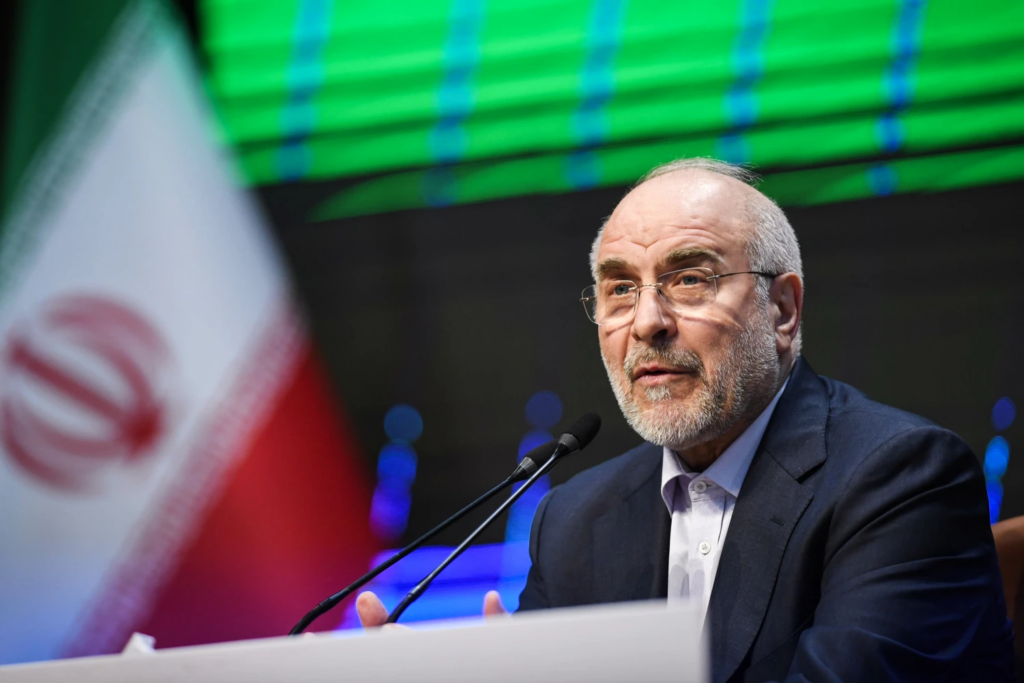
Iran’s parliamentary speaker, Mohammad Bagher Ghalibaf, has sharply accused the United States Department of Defense and the U.S. government of covertly planning a ground attack on Iran, despite public diplomatic overtures and official statements emphasizing negotiation. Ghalibaf’s comments reflect deep mistrust in U.S. intentions amid the escalating Middle East conflict, and come at a time when diplomatic initiatives are being discussed even as military tensions remain high.
According to live reporting from The Guardian, Ghalibaf claimed that while Washington publicly frames its actions as efforts toward diplomacy, behind the scenes it is preparing for a ground invasion. He pointed to the deployment of U.S. forces—including Marines and paratroopers—to the region as evidence of these preparations, suggesting that the military buildup contradicts diplomatic rhetoric.
Accusations Amid Public Diplomacy
Iran’s top legislative official has repeatedly expressed skepticism toward U.S. diplomatic messaging. Ghalibaf’s latest statements are consistent with a broader pattern in which Iranian leadership has questioned the sincerity of American diplomacy, portraying it as a strategic cover for military escalation. While the U.S. has publicly stated support for negotiations and engaged in diplomatic communication through intermediaries, Tehran maintains that these efforts are superficial and that real intentions lie in military pressure.
This dynamic has been echoed in recent social media commentary from Iranian officials who denied that direct negotiations with Washington are taking place, dismissing claims of progress as “fake news” aimed at calming markets and public opinion.
U.S. Military Presence and Regional Context
The backdrop to Ghalibaf’s claims includes the deployment of U.S. Marines and other military units to the Middle East, which has raised concerns in Tehran and among its allies. While U.S. officials describe the deployments as defensive measures and support for regional partners, Iranian leaders interpret them as preparation for a broader ground offensive that could draw Tehran into direct confrontation.
This perception is compounded by ongoing airstrikes, missile exchanges, and ground clashes involving Iran, Israel Defense Forces, and allied militia groups across multiple fronts, including in Iraq, Syria, and Lebanon. The presence of U.S. forces in proximity to these hotspots adds to Tehran’s sense of strategic encirclement and fuels rhetoric about impending ground action.
Diplomacy vs. Military Strategy
Despite the hardline rhetoric from Tehran, there have been diplomatic efforts by regional actors to de-escalate tensions. Talks involving countries such as Saudi Arabia, Turkey, Egypt, and Pakistan have been reported, with the aim of forging pathways toward reduced hostilities. However, key belligerents—including Iran and the U.S.—have not fully embraced these processes, and public mistrust remains high.
Analysts note that the contrast between public diplomacy and private military preparations is a common feature in high-stakes geopolitical conflicts. Governments may pursue negotiations as a means to manage international pressure and economic fallout, while simultaneously preparing for worst-case military scenarios.
Implications for Regional Stability
Ghalibaf’s statements have significant implications for regional stability. By publicly accusing the U.S. of plotting a ground invasion, Iranian leadership is signaling that any perceived military escalation could trigger a strong response. This heightens the risk of miscalculation, especially in a region where multiple actors are already engaged in kinetic operations.
Such rhetoric also complicates diplomatic efforts, as it hardens public opinion and reduces the political space for compromise. If Tehran believes that negotiations are merely a façade for military action, it is less likely to engage constructively in talks that might de-escalate the conflict.
Conclusion
Iran’s parliamentary speaker’s claim that the U.S. is secretly planning a ground attack—even as it publicly promotes diplomacy—underscores the profound mistrust between Tehran and Washington. While diplomatic channels and regional talks continue to be discussed, the military buildup and hostile rhetoric reflect the fragile and volatile nature of the current Middle East crisis. As both sides navigate this tense environment, the risk of escalation remains high, and the interplay between diplomacy and military strategy will continue to shape developments on the ground.