Islamic Revolutionary Guard Corps claims missile and drone strikes hit major Gulf industrial facilities amid ongoing regional war escalation
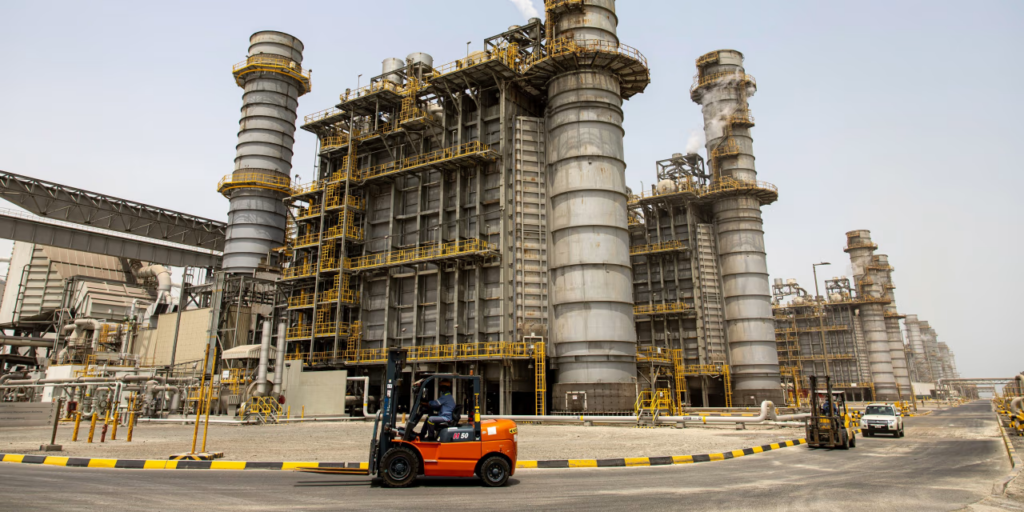
The Islamic Revolutionary Guard Corps has publicly claimed responsibility for strikes targeting major **aluminium plants in **Bahrain and the United Arab Emirates, marking a significant expansion of hostilities that have now impacted key industrial infrastructure in the Gulf region. The attacks, which reportedly involved missiles and drones, come as part of Iran’s ongoing retaliation in the broader Middle East conflict that began earlier this year.
According to multiple reports, Aluminium Bahrain (Alba)—one of the world’s largest aluminium producers—confirmed that its facilities were struck in the incident. The company reported that two employees sustained minor injuries and that it is currently assessing the extent of damage to its operations. Meanwhile, Emirates Global Aluminium (EGA) in the UAE also reported significant damage to its Al Taweelah facility following what Iranian authorities described as part of a coordinated strike.
What the IRGC Says
Iran’s IRGC framed the strikes as retaliation for earlier attacks on Iranian industrial infrastructure, including steel plants. The Guards stated that the operations were intended to send a message that Tehran would respond to any assaults on its economic and industrial assets, even if those assets are outside Iranian territory.
Although the IRGC did not provide detailed evidence linking the aluminium plants directly to military operations or foreign bases, its announcement highlights Tehran’s intent to escalate beyond traditional battlefield targets and into economic and industrial sectors of rival states.
Impact on Gulf Industrial Infrastructure
The aluminium sector plays a critical role in the economies of both Bahrain and the UAE. Alba operates one of the largest single-site smelters globally, while EGA is a major producer with significant export and domestic economic impact. Damage to these facilities has raised concerns among analysts about disruptions to global aluminium supply chains, especially as Gulf producers account for a notable share of worldwide output.
In addition to physical damage, the attacks have broader economic implications, including potential impacts on aluminium prices and investor confidence. Market responses to the news included a rise in aluminium prices, reflecting concerns about future production capacity and stability in the Gulf region.
Regional and Global Repercussions
The strikes represent a widening of the conflict that began with military engagements between Iran and a US-Israeli coalition. As hostilities spread to involve Gulf states’ infrastructure, regional leaders have expressed deep concern about escalating violence and its spillover effects.
While Bahrain and the UAE have strong air defense systems that intercepted many aerial threats, the fact that industrial facilities were still hit underscores the limitations of defensive measures in the face of sustained multi-vector attacks. Reports also indicate that Gulf states have intercepted hundreds of Iranian drones and missiles in recent weeks, demonstrating the intensity of the campaign.
International observers warn that targeting economic infrastructure, even in retaliation, could exacerbate tensions and draw additional states into the conflict, either directly or through diplomatic and economic responses.
Human and Economic Toll
Although no fatalities have been confirmed in these specific strikes, the injuries and damage to key industrial facilities highlight the human and economic cost of the expanding conflict. Workers at the affected plants were reportedly evacuated, and emergency response teams are conducting damage assessments and safety checks.
The strikes also raise questions about civilian risk in industrial zones, which are often located near populated areas. Falling debris and secondary explosions can pose dangers even when defensive systems intercept incoming weapons.
Conclusion
Iran’s IRGC claims that it struck aluminium plants in Bahrain and the UAE as part of a broader retaliatory campaign, marking a new phase in the conflict that extends beyond traditional military targets to key economic infrastructure. The attacks have triggered injuries, industrial damage, and global economic concerns, illustrating the far-reaching impact of the Middle East war on both regional stability and international markets.
As tensions continue, Gulf states and international actors are likely to monitor developments closely, balancing defensive preparedness with diplomatic efforts to prevent further escalation.