Tehran rejects claims of ongoing talks, dismisses U.S. peace efforts amid escalating conflict
An Iranian military spokesperson has dismissed U.S. claims of ongoing negotiations, saying Washington is “negotiating with itself” and rejecting any suggestion of active diplomatic engagement between the two sides.
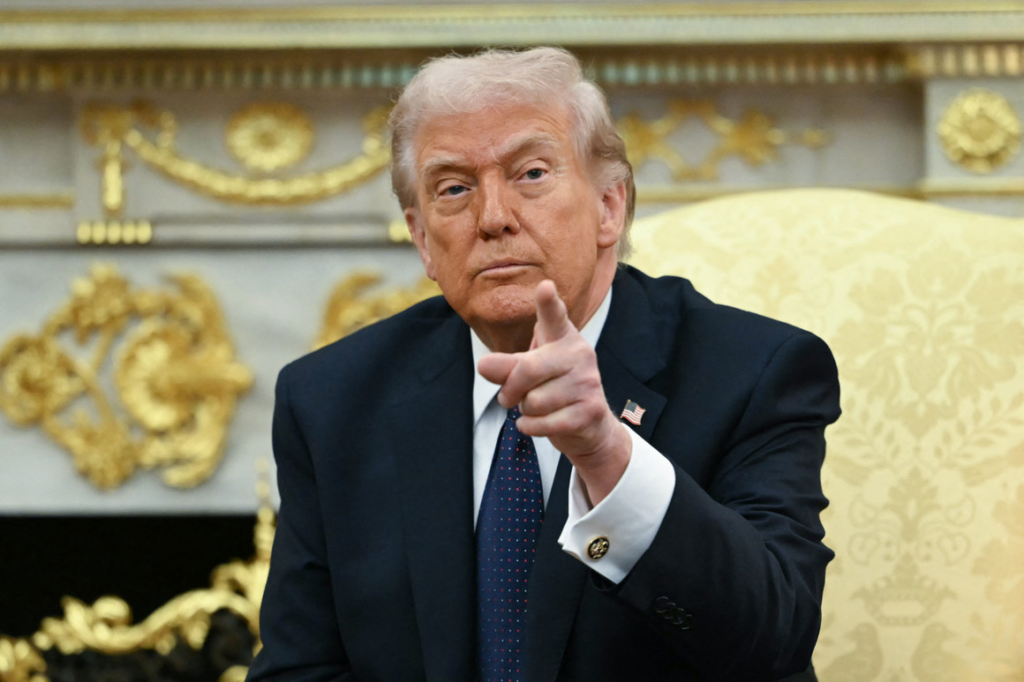
According to statements carried by Iranian state media, the spokesperson ridiculed recent remarks from Donald Trump, who had claimed that the United States was engaged in talks with Tehran aimed at ending the conflict. The Iranian official responded by denying any such negotiations and portraying U.S. claims as disconnected from reality.
The comments come at a time of heightened tensions between Iran and the United States, following weeks of military escalation involving missile strikes, air operations, and threats targeting strategic infrastructure. Despite Washington’s assertions of diplomatic progress, Tehran has consistently denied that any direct or meaningful talks are taking place.
Iran’s military spokesperson framed the U.S. position as a sign of strategic confusion, suggesting that Washington is attempting to present a narrative of diplomacy despite a lack of actual engagement. He emphasized that Iran would not align with the United States and dismissed the idea of reaching an agreement under current conditions.
The dispute highlights a growing gap between the narratives of both sides. While U.S. officials claim that proposals—including a reported multi-point peace plan—have been sent to Tehran, Iranian leadership insists no such negotiations are underway.
At the same time, indirect diplomatic efforts appear to be ongoing behind the scenes. Countries such as Pakistan, Turkey, and Egypt have reportedly attempted to mediate or relay messages between the two sides, though Tehran has publicly downplayed or denied these efforts.
Iranian officials have also made it clear that any potential dialogue would require significant changes in U.S. policy, including an end to military pressure and recognition of Iran’s regional role. Without these conditions, Tehran maintains that negotiations are neither possible nor meaningful.
The spokesperson’s remarks also carried a broader strategic message, warning that stability in the region—and even global energy markets—depends on acknowledging Iran’s influence. This reflects Tehran’s ongoing effort to position itself as a central power in the Middle East, particularly amid disruptions in key areas such as the Strait of Hormuz.
From a geopolitical perspective, the exchange underscores deep mistrust between the two countries. Years of failed agreements, military confrontations, and conflicting objectives have created an environment where even claims of dialogue are met with skepticism or outright denial.
In conclusion, Iran’s statement that the U.S. is “negotiating with itself” reflects not only a rejection of current diplomatic claims but also the broader breakdown in communication between Washington and Tehran. As tensions continue to rise, the absence of clear and mutually acknowledged negotiations raises concerns about the potential for further escalation rather than de-escalation.