Tehran says it targeted American naval forces, while U.S. officials dispute impact and downplay damage
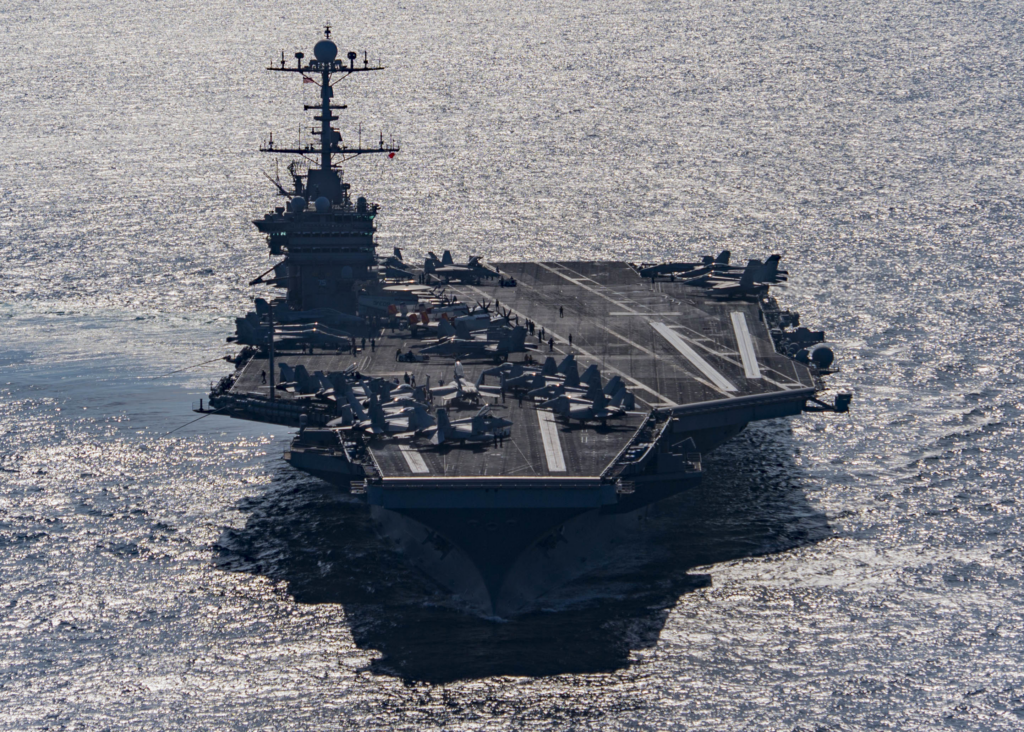
Iran’s navy has claimed that it fired missiles at a U.S. aircraft carrier operating in regional waters, marking a significant escalation in already heightened tensions between Iran and the United States.
According to Iranian military statements, missiles were launched toward a U.S. carrier—widely reported to be the USS Abraham Lincoln—as part of ongoing retaliatory operations. Iranian officials described the strike as a direct response to U.S. and allied military actions in the region.
State-linked media and military sources in Iran claimed that the attack was carried out using coast-to-sea or anti-ship missile systems, signaling a new phase in naval confrontation.
However, U.S. officials have pushed back on these claims, stating there is no confirmed evidence that the aircraft carrier was hit or sustained any damage. Previous incidents have shown similar patterns, where Iran announced strikes but U.S. defense sources reported no successful impact on naval assets.
The reported targeting of a U.S. aircraft carrier is particularly significant, as such vessels are among the most heavily defended military assets in the world. Carrier strike groups are equipped with advanced missile defense systems, radar networks, and escort ships designed to intercept incoming threats.
This is not the first time such claims have emerged during the current conflict. Earlier reports indicated that Iran’s Islamic Revolutionary Guard Corps (IRGC) had launched multiple ballistic missiles toward U.S. naval forces, though the Pentagon maintained that American forces suffered no casualties or major damage.
Military analysts note that even unsuccessful attempts to target an aircraft carrier carry strategic implications. Such actions demonstrate intent, test defense systems, and contribute to psychological pressure in an already volatile environment.
The incident comes amid a broader escalation involving missile exchanges, naval activity in the Gulf and Arabian Sea, and threats to key shipping routes such as the Strait of Hormuz. Both sides have increased their military presence, raising concerns about the risk of direct confrontation.
From a geopolitical standpoint, targeting a U.S. aircraft carrier represents a major symbolic and strategic move. It signals Iran’s willingness to challenge American military dominance in the region, even as the risk of retaliation remains high.
International observers have expressed concern over the growing intensity of the conflict, warning that further incidents involving major military assets could rapidly escalate into a wider war.
In conclusion, while Iran claims it fired missiles at a U.S. aircraft carrier, conflicting reports about the effectiveness of the strike highlight the fog of war surrounding the conflict. Regardless of the outcome, the incident underscores the dangerous trajectory of escalating tensions in the region.