Israeli Defence Minister Confirms Nationwide Emergency After Coordinated Attack on Iranian Targets, Raising Regional Tensions and Fears of Wider Conflict
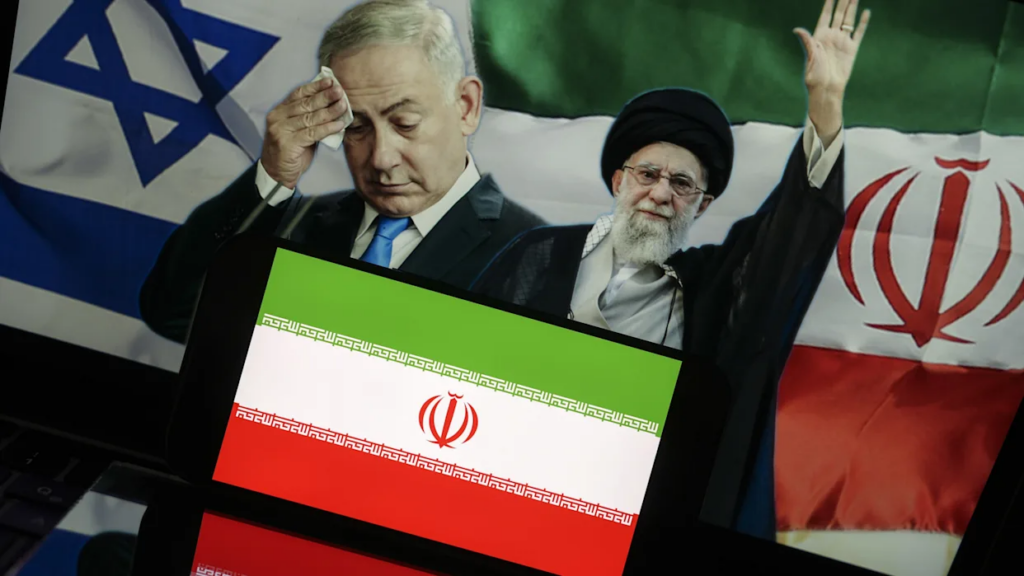
On February 28, 2026, the Middle East entered a critical and escalatory phase of conflict as the Israeli Defence Minister, Israel Katz, publicly confirmed that Israel has launched a pre-emptive military strike against the Islamic Republic of Iran and, in direct response to anticipated retaliation, declared a state of emergency across the entire country. This announcement marks one of the most significant military escalations in the region in years, with far-reaching geopolitical, military, and humanitarian implications as war risks widening beyond Israeli and Iranian borders.
Early on Saturday morning, Israeli forces launched a coordinated attack on Iranian territory, described by authorities in Tel Aviv as necessary to neutralize imminent threats posed by Tehran’s nuclear and ballistic missile programs. Explosions were widely reported in downtown Tehran and other major Iranian cities, with smoke plumes visible from satellite and ground sources, and Iranian state media acknowledging blasts without offering full details.
Simultaneously in Israel, air raid sirens blared across cities and towns, and the military issued warnings urging civilians to prepare for possible missile or drone retaliation from Iran. In response to the rapidly evolving situation, the government activated emergency protocols, closing schools, workplaces, and public services, while urging citizens to stay close to protected shelters.
Why the Attack Happened: Pre-Emptive Strategy or Strategic Escalation?
According to official Israeli statements, the strike was portrayed as a pre-emptive and preventative measure designed to remove an imminent military threat posed by Iran’s nuclear advancements and expanding missile capabilities. Israel Katz stated that the action aimed to eliminate threats before they could be used against Israeli territory and population. Military officials in Tel Aviv emphasized that the offensive had been planned months in advance, and that its execution was coordinated with allied forces in Washington.
The operation — referred to in some international reports as Operation Lion’s Roar — involved air and guided missile strikes against multiple Iranian targets, including strategic military sites believed to be key to Tehran’s nuclear and ballistic missile ambitions. The involvement of U.S. military support, including shared intelligence and kinetic assets, underscores the broader international interests in Tehran’s threats, pushing this beyond a strictly bilateral confrontation.
Immediate Impact on Civilians & Regional Security
The effects of the strikes were instantly felt across both nations. In Tehran, residents reported hearing powerful explosions and witnessing rising smoke, while in Israel civil defense alarms sounded, prompting immediate mass public preparedness for further conflict. Several international airlines also suspended flights to and from regional airports, further signaling how the conflict is disrupting everyday life.
While initial details about casualties are still emerging, early assessments suggest both military and potentially civilian infrastructure have been affected. The Iranian government has not released a full casualty report, but historical patterns of engagement suggest that prolonged conflict could lead to extensive civilian suffering and displacement.
On the diplomatic front, Tehran has indicated it is preparing for retaliation, promising a strong response against Israeli and allied forces. Iran’s leadership has historically reacted forcefully to foreign military strikes, and current state rhetoric suggests that missile and drone counterattacks could target Israeli territory and interests. This dynamic raises fears of an escalating cycle of violence that could draw neighboring countries into broader conflict, including states hosting U.S. forces in the Gulf region.
Wider Geopolitical Ramifications
Analysts warn that this conflict may reshape global alliances and trigger shifts in diplomatic relations, especially involving powers such as the United States, Saudi Arabia, and Gulf Cooperation Council (GCC) states. These nations have vested political, economic, and military interests in Iranian policy and regional stability. A prolonged military engagement could disrupt global energy markets — particularly oil flows through the Strait of Hormuz — and strain international security frameworks.
What Comes Next?
With both sides now on high alert and conditions ripe for further escalation, the coming hours and days are likely to determine whether this conflict evolves into a full-scale regional war or if diplomatic channels — possibly mediated by external powers — can contain the violence. International observers are urging calm, de-escalation, and urgent dialogue to prevent further loss of life and destabilization.