Pakistan Extends Airspace Ban on Indian Aircraft Until February 24 Amid Ongoing Tensions
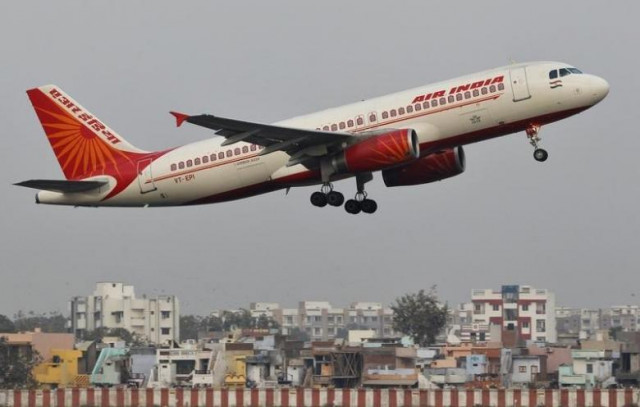
Pakistan has extended its airspace ban on Indian aircraft until February 24, continuing a restriction that has significantly disrupted regional aviation routes and underscored persistent political and security tensions between the two nuclear-armed neighbors.
The decision, confirmed by aviation and government officials, applies to all Indian-registered aircraft, including commercial airlines, military flights, and state-owned aviation operators.
The extension means Indian carriers will remain barred from using Pakistani airspace for international routes, forcing them to rely on longer and more expensive detours over alternative corridors. Aviation analysts say the continued closure is likely to increase operational costs for Indian airlines, extend flight durations, and place additional strain on scheduling and fuel consumption, particularly for long-haul routes to Europe, the Middle East, and North America.
Pakistan initially imposed the airspace restrictions following a deterioration in bilateral relations, citing national security concerns and the regional situation. While the ban was initially described as temporary, repeated extensions have turned it into a prolonged measure that reflects the lack of diplomatic progress between Islamabad and New Delhi. Officials in Pakistan say the decision to extend the ban was reviewed at the highest levels, taking into account security assessments and regional developments.
The Pakistan Civil Aviation Authority (PCAA) issued a Notice to Airmen (NOTAM) confirming that the restrictions would remain in force until February 24. According to the notice, Indian aircraft are prohibited from entering Pakistani airspace, regardless of destination or purpose, unless specifically exempted under exceptional circumstances. Similar restrictions have been enforced during previous periods of heightened tension between the two countries.
Indian airlines have been among the most affected by the ongoing ban. Carriers have had to reroute flights through longer paths over the Arabian Sea, Central Asia, or the Middle East, leading to increased fuel costs and reduced payload capacity on certain routes. Industry sources estimate that the cumulative financial impact on Indian aviation runs into millions of dollars, particularly as global fuel prices remain volatile.
From Pakistan’s perspective, officials argue that the ban is a sovereign decision rooted in national security considerations. Government representatives have emphasized that airspace access is not an automatic right and can be restricted under international aviation norms when security concerns arise. They have also pointed out that similar measures have been taken by both countries at different times in response to political or military escalations.
Diplomatic relations between Pakistan and India have remained largely frozen, with limited engagement at official levels. Long-standing disputes, including Kashmir, border security, and allegations of cross-border militancy, continue to dominate the relationship. Analysts say the airspace ban, while primarily affecting aviation, also serves as a symbolic indicator of broader geopolitical tensions.
International aviation bodies, including the International Civil Aviation Organization (ICAO), generally encourage dialogue and cooperation to minimize disruptions to global air travel. However, they also recognize the right of states to restrict airspace access under specific circumstances. So far, there has been no indication of external mediation efforts focused specifically on the Pakistan-India airspace issue.
Passengers traveling on Indian airlines have experienced longer flight times and occasional schedule adjustments as a result of the ban. Airlines have attempted to mitigate inconvenience through revised timetables and technical stops where necessary, though industry experts say prolonged restrictions inevitably affect competitiveness and profitability.
Security analysts note that while airspace bans are often used as diplomatic pressure tools, their extension usually signals entrenched positions rather than imminent escalation. “These measures tend to reflect a holding pattern in relations,” said one regional analyst, adding that normalization typically requires broader political engagement rather than isolated confidence-building steps.
As the February 24 deadline approaches, it remains unclear whether Pakistan will lift the ban or extend it further. Observers say any change is likely to depend on regional security dynamics and diplomatic signals from both sides. For now, the continued closure highlights the fragile state of Pakistan-India relations and the challenges facing efforts to restore normal bilateral cooperation.