Explainer: Understanding the proposed ‘Board of Peace’ concept linked to Donald Trump and its potential role in conflict resolution
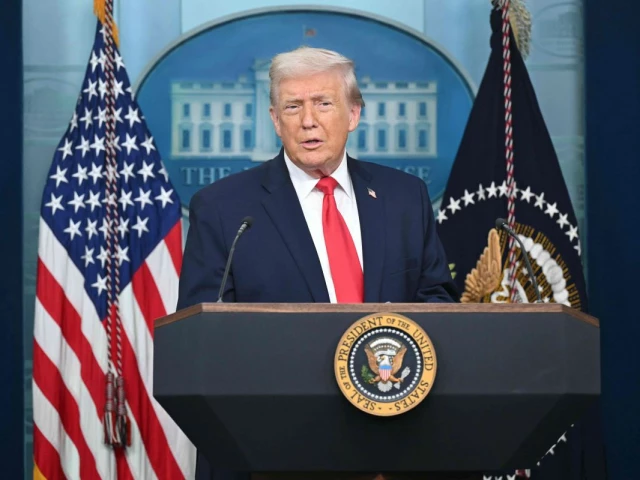
The term “Board of Peace” associated with US President Donald Trump has recently drawn attention in political and media circles, prompting questions about its meaning, purpose, and possible impact on international affairs. While not yet a formally established government body, the phrase has been used in discussions surrounding Trump’s foreign policy approach, particularly his emphasis on deal-making, negotiation, and ending long-running conflicts through direct engagement rather than prolonged military involvement.
Supporters describe the proposed “Board of Peace” as a conceptual advisory mechanism that would bring together senior political figures, diplomats, security experts, and business-minded negotiators to focus on de-escalating conflicts and brokering peace agreements. The idea aligns closely with Trump’s long-stated belief that wars can often be avoided or ended through strong leadership, economic leverage, and direct talks between rival parties.
According to individuals familiar with the discussions, the “Board of Peace” would not function like a traditional international organization such as the United Nations. Instead, it would likely operate as a flexible, US-backed initiative designed to intervene diplomatically in global flashpoints where Washington believes it has influence. Its role would be advisory rather than legislative, offering recommendations to the president and senior officials on conflict resolution strategies, sanctions relief, security guarantees, or economic incentives.
Trump has frequently argued that existing international institutions are slow, bureaucratic, and ineffective at preventing wars. The “Board of Peace” concept reflects that criticism, proposing a smaller, results-driven body focused on measurable outcomes. Proponents say this approach could allow the United States to move faster in mediating disputes, particularly in regions where US strategic interests are at stake.
The idea also reflects Trump’s broader foreign policy philosophy, which prioritizes national interest, burden-sharing among allies, and transactional diplomacy. During his presidency, Trump often highlighted his role in facilitating talks with North Korea, negotiating normalization agreements between Israel and several Arab states, and pressuring NATO allies to increase defense spending. Supporters argue that a dedicated peace-focused board could institutionalize this style of diplomacy.
Critics, however, have raised concerns about what such a body would mean in practice. Some analysts warn that bypassing established diplomatic channels could undermine international law and multilateral cooperation. Others question whether a US-led “Board of Peace” would be perceived as neutral by countries wary of American influence, particularly in conflicts involving great-power rivalry.
There are also questions about composition and accountability. While backers envision experienced negotiators and former officials, skeptics worry the board could be dominated by political loyalists rather than career diplomats. Without clear legal authority or congressional oversight, critics argue, its recommendations could lack transparency and legitimacy on the global stage.
Despite the uncertainty, the emergence of the “Board of Peace” concept highlights a renewed debate over how the United States should approach global conflict resolution. With wars ongoing in multiple regions and diplomatic efforts often stalled, the idea taps into public frustration with endless conflicts and rising geopolitical tensions.
Whether the “Board of Peace” becomes a formal institution or remains a rhetorical device, it underscores Trump’s continued focus on positioning himself as a deal-maker capable of reshaping US foreign policy. Observers note that even the discussion of such a body signals a potential shift toward unconventional diplomacy, prioritizing speed, leverage, and personal engagement over traditional multilateral processes.
As international reactions remain mixed, much depends on whether concrete details emerge. For now, the “Board of Peace” stands as a symbol of an alternative vision for global diplomacy—one that supporters see as pragmatic and bold, and critics view as risky and insufficiently grounded in established diplomatic norms.