Israeli military directive sparks alarm as civilians face renewed displacement amid fragile truce in Gaza
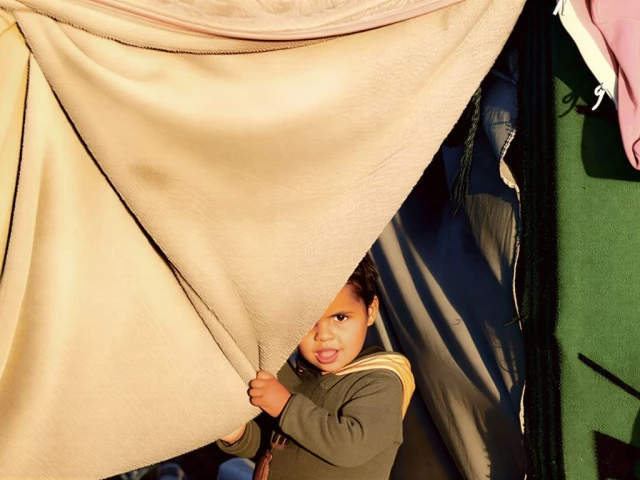
Israel has ordered Palestinian families in parts of Gaza to leave their homes, marking the first forced evacuation since a ceasefire temporarily halted large-scale fighting in the enclave. The directive, issued by the Israeli military, has raised serious concerns among humanitarian organizations and residents, who fear a return to mass displacement after weeks of relative calm.
According to local officials and residents, evacuation orders were delivered to families living in designated areas of Gaza, instructing them to move to other locations for what Israel described as “security-related operational needs.” The military said the move was necessary to address specific threats and did not signal a full resumption of combat operations. However, the announcement has unsettled a population already traumatized by months of conflict, destruction, and repeated displacement.
This development represents a significant shift since the ceasefire took effect, during which no broad evacuation orders had been issued. During the earlier phase of the war, hundreds of thousands of Gazans were repeatedly forced to flee their homes, often with little notice and limited access to shelter, food, or medical care. Aid agencies say many families have only recently begun returning to damaged or partially destroyed homes, hoping the truce would hold.
Residents affected by the latest order described scenes of confusion and fear, with families scrambling to gather belongings amid uncertainty about where they would go next. “People thought the ceasefire meant safety,” said one displaced resident. “Now we are being told to leave again, without knowing if or when we can return.”
The Israeli military has stated that the evacuation is limited in scope and aimed at protecting civilians while allowing forces to conduct targeted operations. Officials emphasized that evacuation corridors and designated areas would be communicated to residents. Critics, however, argue that even limited displacement in Gaza carries severe consequences due to overcrowding, destroyed infrastructure, and the ongoing humanitarian crisis.
Humanitarian organizations operating in Gaza warned that renewed evacuations could overwhelm already strained relief systems. Shelters are overcrowded, access to clean water remains limited, and medical facilities continue to operate under extreme pressure. Aid groups stressed that any forced movement of civilians must comply with international humanitarian law and ensure adequate protection and assistance for those affected.
The ceasefire, brokered through international mediation, had raised cautious hopes for stability, humanitarian access, and the possibility of longer-term de-escalation. While sporadic incidents and tensions have persisted, the absence of mass evacuation orders was seen as a key indicator that the truce was holding. The latest development has now cast doubt on how durable that pause in hostilities may be.
Political analysts say the evacuation order underscores the fragility of the ceasefire and the deep mistrust between the parties. “Ceasefires in this conflict are often tactical rather than transformative,” said one regional analyst. “Any perceived security threat can quickly lead to actions that unravel the calm, even if full-scale fighting does not immediately resume.”
Palestinian officials condemned the evacuation order, calling it a violation of the ceasefire’s spirit and warning that continued pressure on civilians could escalate tensions. They urged international actors to intervene to prevent further displacement and ensure that the truce is respected on the ground.
The United Nations and several international governments have previously emphasized that the protection of civilians must remain paramount, particularly in densely populated areas like Gaza. While there has been no immediate indication of diplomatic fallout from the evacuation order, observers say it will likely intensify scrutiny of Israel’s actions during the ceasefire period.
For Gaza’s civilians, the announcement has revived painful memories of earlier evacuations, when families were forced to move multiple times as front lines shifted. Many now fear that even temporary displacement could become prolonged, especially given the extensive destruction that has left large parts of Gaza uninhabitable.
As the situation develops, attention will focus on whether the evacuation remains limited or expands further, and whether it triggers renewed clashes. For now, the order serves as a stark reminder that despite a ceasefire, Gaza’s population continues to live under the shadow of instability, displacement, and uncertainty about what comes next.