Largest-ever US weapons deal with Taiwan aims to strengthen deterrence amid rising tensions with China
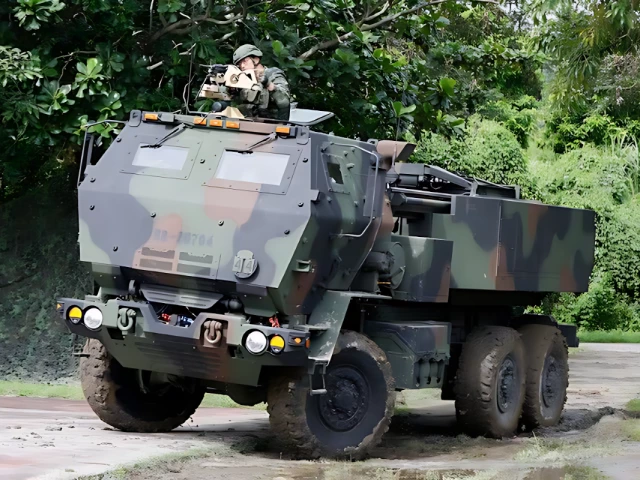
The United States has announced a historic $11 billion arms package for Taiwan, marking the largest weapons deal ever approved for the self-governed island and underscoring Washington’s commitment to strengthening Taiwan’s defense capabilities amid escalating regional tensions.
The package, revealed by senior US officials, includes a broad range of advanced military systems designed to enhance Taiwan’s ability to deter potential aggression and improve its readiness in the face of evolving security challenges in the Indo-Pacific region.
According to the US Department of Defense, the arms package focuses on defensive capabilities, including air defense systems, anti-ship missiles, surveillance technology, command-and-control equipment, and logistical support. Officials emphasized that the sale aligns with the Taiwan Relations Act, which obligates the United States to provide Taiwan with the means to defend itself. The package reflects a strategic shift toward helping Taiwan develop asymmetric warfare capabilities, enabling it to counter larger and more technologically advanced adversaries.
US officials described the deal as a response to increased military pressure on Taiwan, including frequent Chinese military drills, airspace incursions, and naval activities near the island. Washington maintains that the arms sale is intended to preserve peace and stability across the Taiwan Strait by strengthening deterrence rather than provoking conflict. The Biden administration reiterated its long-standing “one China” policy while stressing that arms sales to Taiwan are consistent with US law and international commitments.
Taiwanese authorities welcomed the announcement, calling it a crucial step in bolstering the island’s national defense. Government officials in Taipei stated that the weapons package would significantly enhance Taiwan’s ability to protect its sovereignty, democratic institutions, and civilian population. Military analysts in Taiwan noted that the systems included in the package are particularly suited to countering amphibious landings and missile threats, which are widely viewed as key risks in any potential conflict scenario.
The announcement has drawn sharp criticism from Beijing, which views Taiwan as part of its territory and opposes any foreign military support for the island. Chinese officials condemned the arms sale as a serious violation of China’s sovereignty and warned that it could undermine regional stability. Beijing has repeatedly stated that it reserves the right to take “all necessary measures” to prevent Taiwan from pursuing permanent separation, and US arms sales remain one of the most sensitive issues in US-China relations.
International observers say the scale of the $11 billion package signals a significant escalation in US military support for Taiwan. Analysts argue that the deal reflects growing concern in Washington over China’s expanding military capabilities and increasingly assertive posture in the region. By approving the largest-ever arms sale, the United States is sending a strong message to both allies and adversaries about its commitment to maintaining a balance of power in the Indo-Pacific.
The arms package is also expected to have implications for regional alliances and security cooperation. US allies such as Japan, Australia, and South Korea are closely monitoring developments, as stability in the Taiwan Strait is considered critical to regional trade and global supply chains, particularly in the semiconductor industry. Any disruption to Taiwan’s security could have far-reaching economic and geopolitical consequences, reinforcing the strategic importance of deterrence measures.
Domestically, the announcement has sparked debate within the United States. Supporters argue that strengthening Taiwan’s defenses is essential to preventing conflict and upholding democratic values. Critics, however, warn that large-scale arms sales could heighten tensions with China and increase the risk of miscalculation. US officials have countered that deterrence through strength remains the most effective way to avoid confrontation and preserve long-term stability.
Experts note that the implementation of the arms package will take years, with deliveries scheduled in phases and accompanied by training and technical support. This long-term approach reflects a broader US strategy to integrate Taiwan’s defense planning with modern military doctrines and ensure sustained readiness rather than short-term gains.
In conclusion, the United States’ announcement of a record $11 billion arms package for Taiwan represents a major milestone in US-Taiwan defense relations and a significant development in regional security dynamics. The deal underscores Washington’s commitment to supporting Taiwan’s self-defense while highlighting the increasingly complex and sensitive nature of US-China relations. As tensions in the Taiwan Strait continue to shape global security concerns, the historic arms package is likely to play a central role in shaping deterrence, diplomacy, and strategic calculations across the Indo-Pacific region.