Amid Rising Tensions, Iran Signals Readiness for Both Military Confrontation and Diplomatic Engagement with the United States
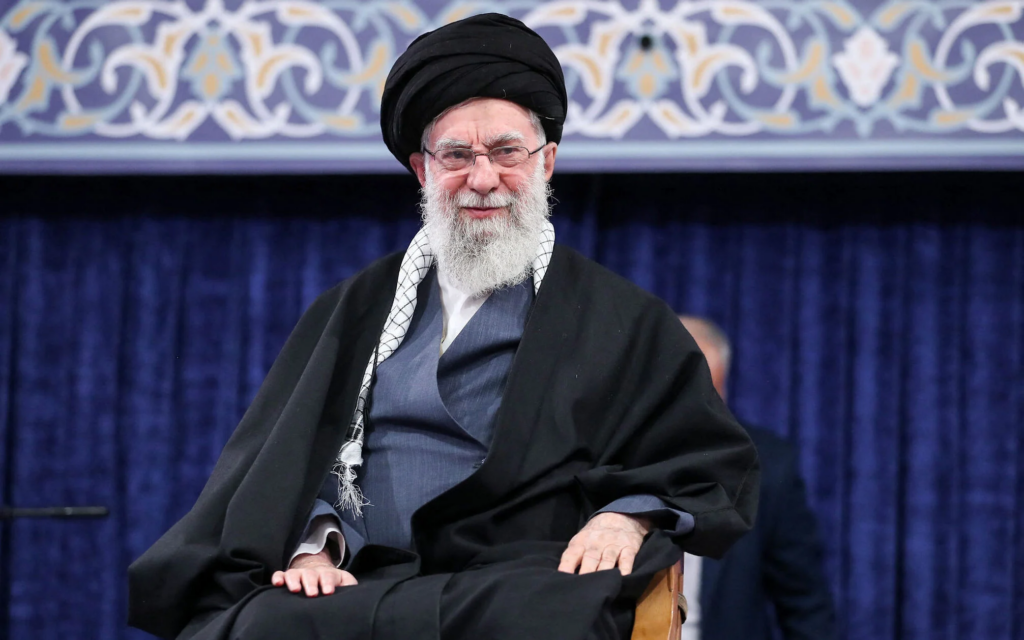
In a significant statement, Iranian authorities have warned the United States of Iran’s preparedness for both military confrontation and diplomatic negotiations. This dual approach comes amidst escalating tensions in the region, particularly in relation to nuclear development, regional influence, and the ongoing conflicts in Syria and Yemen. The warning, issued by high-ranking officials in Tehran, reflects Iran’s strategic position of strength and its evolving stance towards the United States under President Joe Biden’s administration. The warning was clear – while Iran remains open to talks, it will not hesitate to escalate matters to a full-scale confrontation if necessary. This article delves deeper into the current geopolitical dynamics, exploring the historical context, the motivations behind Iran’s dual stance, and the possible implications for the future of US-Iran relations and global security.
Historical Context: The US-Iran Rivalry
The US-Iran rivalry is one of the most prolonged and complex conflicts in modern geopolitics. The relationship between the two countries has been fraught with tension since the 1979 Islamic Revolution, when the US-backed Shah of Iran was overthrown, and the Islamic Republic of Iran was established under Ayatollah Khomeini. This event marked the beginning of a long-standing enmity, leading to the severance of diplomatic ties, the US embassy hostage crisis, and the subsequent imposition of sanctions on Iran.
Over the decades, this rivalry has seen numerous flare-ups, from the Iran-Iraq War in the 1980s to Iran’s involvement in the Syrian Civil War and the support of militant groups such as Hezbollah and Hamas. The relationship further soured after the 2006 nuclear program revelations, leading to economic sanctions, military threats, and international isolation for Iran.
The landmark nuclear deal, the Joint Comprehensive Plan of Action (JCPOA), reached in 2015 under President Barack Obama, was a brief moment of thawing relations, but after President Donald Trump’s unilateral withdrawal from the agreement in 2018, tensions once again escalated. The Trump administration’s “maximum pressure” campaign intensified sanctions and led to the targeted killing of Iran’s top military commander, Qasem Soleimani, in January 2020. These actions pushed the two nations to the brink of war. However, the current shift in rhetoric from Tehran suggests a new phase in US-Iran relations.
Iran’s Dual Approach: A Calculated Move
Iran’s recent warning to the United States is not merely a rhetorical flourish but part of a calculated strategy to position itself as a regional power capable of both diplomatic negotiations and military escalation. Iran’s leaders have repeatedly stated their desire for peace, yet they continue to assert that they will not back down on key issues such as their nuclear program, regional influence, and sovereignty.
1. The Military Option: A Show of Strength
Iran’s military capabilities have grown significantly over the past decade, making it a formidable force in the Middle East. The country has developed advanced missile systems, strengthened its naval forces, and built a network of proxy militias across the region. Iran’s strategy has shifted from conventional warfare to asymmetrical warfare, utilizing proxy groups and militias to achieve its objectives without directly engaging in full-scale war. The recent warning signals Iran’s readiness to engage in military conflict if its interests are threatened, particularly concerning its nuclear program and regional influence.
Iran’s military doctrine focuses on deterrence, with its military leaders frequently emphasizing the country’s ability to target US interests in the region and beyond. However, Iran’s military actions remain primarily focused on defending its national sovereignty and exerting influence in the region, rather than seeking outright war with the United States.
2. The Diplomatic Option: A Window for Negotiation
Despite its military capabilities, Iran has shown a willingness to engage in diplomatic talks, especially under the Biden administration. Iran’s Supreme Leader Ayatollah Ali Khamenei and President Ebrahim Raisi have emphasized that the door to diplomacy remains open, provided the US lifts sanctions and returns to the terms of the JCPOA. Iran’s offer of talks reflects a pragmatic approach to securing economic relief and ensuring its nuclear program is not compromised.
Iran’s stance on diplomacy is complicated by internal political dynamics. Hardline factions within Iran argue against any compromise with the West, while moderates seek to strengthen ties with Europe and Russia, hoping for economic stability and international recognition. The nuclear negotiations have been slow and fraught with challenges, but Iran’s recent statements suggest that it is still open to a negotiated settlement, provided its core interests are respected.
Implications for US-Iran Relations and Global Security
The US-Iran confrontation has wide-reaching implications for global security, especially in the context of nuclear proliferation, regional stability, and the role of other global powers. The United States, while focused on countering Iran’s nuclear ambitions, must also contend with the complex web of alliances and rivalries in the Middle East. Iran’s partnerships with Russia and China complicate the geopolitical landscape, especially as both countries seek to expand their influence in the region.
A military confrontation between the US and Iran could have devastating consequences for global energy markets, as the Middle East is home to some of the world’s largest oil reserves. Furthermore, such a conflict could trigger wider regional instability, particularly in countries like Iraq, Syria, and Yemen, where Iranian influence is significant.
On the other hand, successful diplomatic negotiations could lead to a reduction in sanctions, greater economic cooperation, and a more stable regional order. However, for diplomacy to succeed, both parties will need to make significant concessions, something that has been elusive thus far.
Conclusion
Iran’s warning to the United States represents a pivotal moment in the ongoing US-Iran rivalry. The country’s dual stance – open to negotiations but prepared for military confrontation – underscores its determination to safeguard its sovereignty and regional influence. As tensions continue to rise, the world watches closely to see whether diplomatic efforts will bear fruit or whether the situation will devolve into a more dangerous military escalation. The outcome of this diplomatic standoff will undoubtedly shape the future of US-Iran relations and the broader Middle East.