International diplomatic effort seeks to curb Hezbollah’s military power amid Lebanon’s political and security crisis
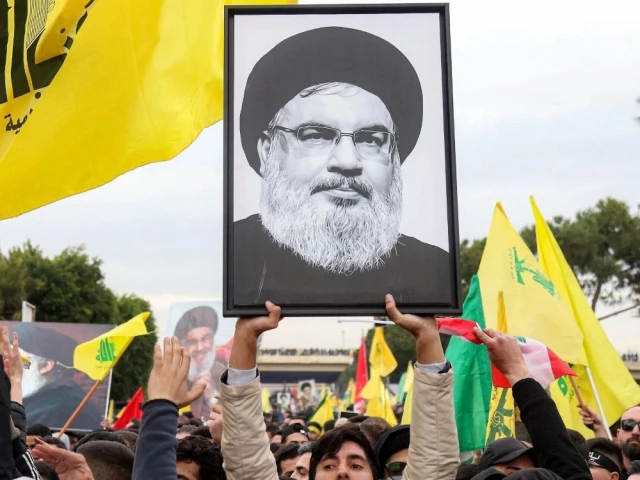
Senior officials from Saudi Arabia, France, and the United States are intensifying diplomatic efforts aimed at advancing a plan to disarm Hezbollah, reflecting growing international concern over the group’s military capabilities and its impact on Lebanon’s stability.
The initiative comes amid deepening political paralysis and economic collapse in Lebanon, where Hezbollah’s armed presence remains one of the most contentious issues shaping domestic governance and regional security dynamics. Diplomats involved in the discussions describe the effort as part of a broader strategy to stabilize Lebanon, strengthen state institutions, and reduce the risk of wider regional conflict.
According to officials familiar with the talks, the proposed plan focuses on reinforcing Lebanese state authority while gradually addressing Hezbollah’s independent military structure. Saudi, French, and US representatives have emphasized that the long-term stability of Lebanon depends on restoring the monopoly of force to the Lebanese state, particularly the Lebanese Armed Forces. They argue that Hezbollah’s continued possession of advanced weaponry undermines national sovereignty, weakens governance, and increases the likelihood of confrontation with Israel, potentially drawing Lebanon into another devastating conflict.
France has played a central diplomatic role in coordinating discussions, leveraging its historical ties with Lebanon and its ongoing engagement with political leaders across the country’s fractured spectrum. French officials have framed the initiative as a pragmatic approach that links political reform, economic assistance, and security guarantees. They stress that disarmament cannot occur in isolation and must be accompanied by credible political dialogue, institutional reform, and international support aimed at preventing further deterioration of Lebanon’s fragile system.
Saudi Arabia’s involvement reflects its broader concerns over Iranian influence in the region, particularly Hezbollah’s close ties to Tehran. Saudi officials have repeatedly stated that meaningful financial and political support for Lebanon will remain limited unless Hezbollah’s military dominance is addressed. Riyadh views the group as a destabilizing force that extends Iran’s regional reach and obstructs Lebanon’s reintegration into the Arab political and economic sphere. As such, Saudi participation in the initiative signals a willingness to reengage diplomatically, provided concrete steps are taken toward restoring state authority.
The United States has reiterated its long-standing position that Hezbollah is a destabilizing armed group whose military capabilities threaten both Lebanese sovereignty and regional security. US officials involved in the talks have emphasized that any disarmament plan must align with United Nations Security Council resolutions calling for the disarmament of all non-state armed groups in Lebanon. Washington has also highlighted its continued support for the Lebanese Armed Forces, viewing them as a key pillar in maintaining internal stability and countering extremist threats.
Hezbollah, for its part, has consistently rejected calls to disarm, arguing that its weapons are necessary to deter Israeli aggression and defend Lebanon. The group’s leadership maintains that its military wing fills a gap left by the state’s limited defense capabilities. Analysts note that Hezbollah’s entrenched political influence and military strength make any disarmament effort highly complex, particularly in the absence of a comprehensive regional settlement or internal consensus within Lebanon.
Lebanon’s political landscape adds further challenges to the initiative. The country remains mired in a prolonged leadership vacuum, with weak governance structures and deep divisions among political factions. Many Lebanese politicians privately acknowledge the risks posed by Hezbollah’s armed status but publicly avoid confrontation, fearing political backlash or instability. International diplomats recognize that pushing too aggressively could provoke internal tensions, while moving too slowly risks perpetuating the status quo.
Regional and international observers see the Saudi-French-US initiative as an attempt to revive diplomatic momentum at a time when Lebanon’s crisis has largely faded from global headlines. The plan reportedly seeks to combine incentives and pressure, linking economic assistance, reconstruction aid, and diplomatic support to measurable progress on political reform and security issues. Supporters argue that without addressing Hezbollah’s weapons, international aid risks reinforcing an unsustainable system.
Critics, however, warn that disarmament efforts could backfire if not carefully calibrated. They caution that Hezbollah’s deep roots in Lebanese society and its role in providing social services mean that abrupt or coercive measures could trigger unrest or fragmentation. Experts stress that any sustainable solution must involve inclusive dialogue, regional de-escalation, and guarantees that Lebanon will not be left vulnerable to external threats.
In conclusion, the push by Saudi, French, and US officials to advance a Hezbollah disarmament plan marks a significant diplomatic effort to address one of Lebanon’s most enduring challenges. While the initiative reflects growing international consensus on the need to restore state authority, its success will depend on careful coordination, regional diplomacy, and internal Lebanese engagement. As talks continue, the plan highlights the delicate balance between reducing armed non-state influence and preserving stability in a country already facing profound political and economic strain.