Government announces swift legislative action on firearm regulations in response to deadly Bondi Beach shooting
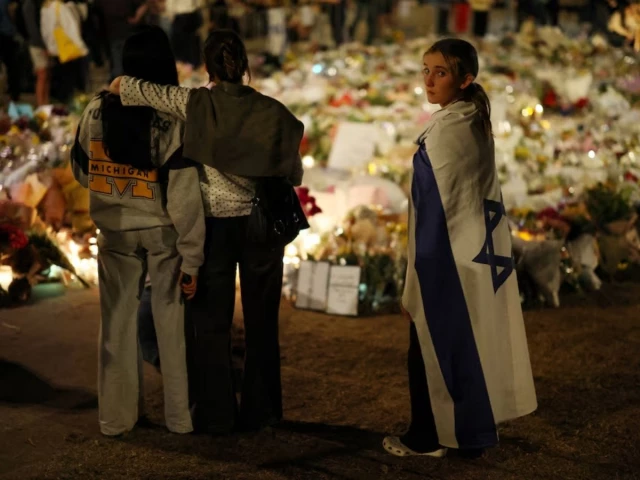
SYDNEY: The Australian government has announced plans to fast-track emergency reforms to the country’s firearm laws in response to the deadly mass shooting at Bondi Beach, Sydney. The move comes amid growing public concern over gun violence following the attack,
which left multiple civilians injured and claimed several lives. Officials stated that the reforms aim to strengthen existing regulations, close loopholes, and ensure tighter control over firearms to prevent similar tragedies in the future. Lawmakers emphasized that the safety of the public is the highest priority, and swift legislative action is essential to address security gaps exposed by the Bondi incident.
Prime Minister and senior officials have called the Bondi Beach shooting “a wake-up call” for the nation, highlighting the urgency of implementing stricter measures. Emergency legislation is being drafted to expand background checks, enforce stricter licensing requirements, and enhance oversight of firearm ownership and storage. The government also intends to review categories of prohibited weapons, aiming to restrict access to high-powered firearms that pose elevated risks in crowded public areas. Lawmakers from multiple parties have expressed support for expedited action, signaling a rare consensus on the importance of immediate reforms following a mass-casualty event.
The announcement comes as public debate intensifies over gun control in Australia. Historically, the nation has implemented some of the world’s strictest firearm regulations, particularly following the 1996 Port Arthur massacre. However, recent incidents, including the Bondi Beach attack, have raised questions about enforcement gaps and potential weaknesses in current policies. Security experts note that while Australia’s firearm framework has generally kept gun-related incidents low compared to other countries, isolated attacks by individuals with access to weapons still pose serious threats, necessitating continual review and adaptation of legislation.
Law enforcement agencies are coordinating closely with legislators to ensure that the proposed reforms are practical and enforceable. Police officials have provided recommendations based on investigative findings from the Bondi attack, including intelligence-led approaches to identify individuals at risk of misusing firearms, monitoring high-risk purchases, and tightening regulations around gun storage and transport. Authorities stressed that the reforms are not intended to penalize responsible gun owners but to enhance public safety and prevent firearms from falling into the wrong hands.
Public response to the proposed emergency measures has been largely supportive, particularly from victims’ families, advocacy groups, and communities affected by the Bondi shooting. Citizens have expressed hope that the reforms will prevent future tragedies and restore confidence in public safety measures. Advocacy organizations for stronger gun laws have called for comprehensive strategies that combine legal enforcement with educational programs to promote responsible firearm ownership and raise awareness about the risks associated with firearms in urban environments.
Legal analysts caution that while emergency legislation can be enacted quickly, it must also withstand scrutiny to ensure compliance with Australia’s constitutional and civil rights framework. The reforms will likely face parliamentary debate and require collaboration between federal and state governments, given Australia’s division of authority over firearm regulation. Coordinated implementation across jurisdictions is seen as critical to achieving the intended impact and closing loopholes that might be exploited by individuals seeking access to firearms.
The Bondi Beach attack has reignited discussions on security in public spaces, the role of mental health support in preventing violence, and the importance of emergency response systems. Government officials stressed that gun law reforms are just one component of a multi-pronged approach that includes strengthening policing, enhancing surveillance, and improving rapid response capabilities in high-density areas. Community outreach programs and mental health initiatives are also being reviewed to complement legal measures and address root causes of violence.
International observers have noted that Australia’s swift response to mass shootings sets an example for proactive legislative action, emphasizing that timely reforms can mitigate risks and prevent further casualties. The government’s decision to fast-track emergency gun law changes demonstrates a commitment to learning from crises and implementing policies that prioritize citizen safety without unnecessarily restricting lawful activities.
In conclusion, Australia’s move to rush emergency gun law reforms following the Bondi Beach attack underscores the government’s commitment to public safety and proactive crisis management. The proposed legislative changes aim to strengthen firearm regulation, close loopholes, and prevent future tragedies, while balancing the rights of responsible gun owners. As lawmakers debate and refine the reforms, the nation faces an urgent opportunity to enhance security, rebuild public confidence, and demonstrate that swift, coordinated action can address evolving threats in urban environments. The Bondi incident serves as a stark reminder of the ongoing challenges in maintaining safety in crowded public spaces and the critical role of comprehensive gun legislation.