Images of missiles allegedly carrying Epstein-related messages go viral, highlighting how propaganda and psychological warfare are shaping the Iran–Israel conflict narrative.
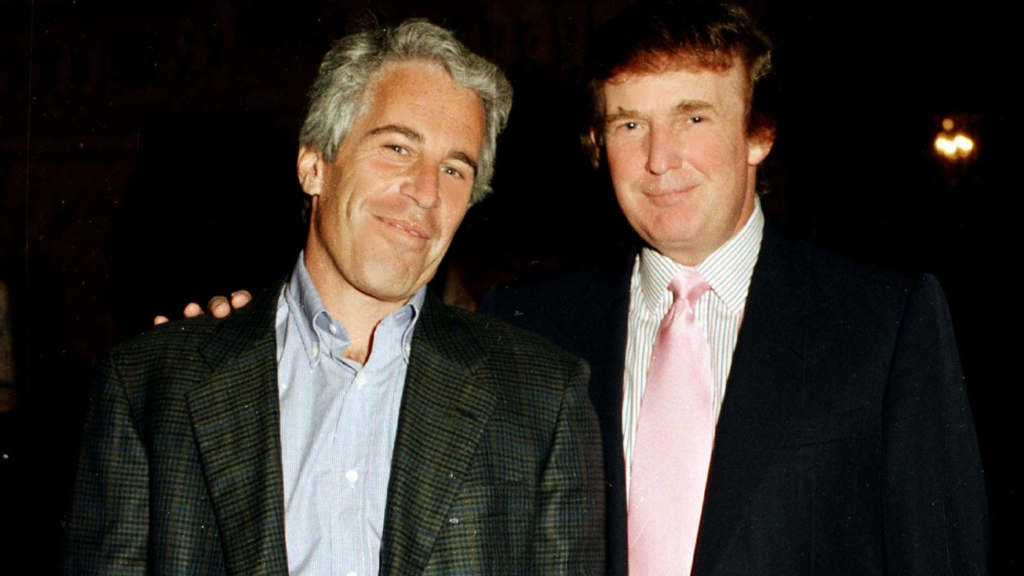
Images circulating online claiming that Iran fired missiles bearing provocative messages targeting Donald Trump and Benjamin Netanyahu have ignited a new wave of controversy, blending geopolitics with global scandal narratives.
According to multiple reports and viral posts, the missiles were allegedly marked with phrases referencing victims of Jeffrey Epstein, the disgraced financier whose case continues to generate international attention. One widely shared claim suggests inscriptions such as “in memory of victims of Epstein Island” were written on Iranian missiles launched during the ongoing conflict.
Viral Images and Claims
The images, reportedly shared by pro-Iran accounts and some media outlets, quickly spread across social platforms, fueling intense debate. Some reports suggest that these markings were intended as a direct political message aimed at Trump and Netanyahu, linking wartime actions to broader controversies surrounding Epstein.
However, fact-checkers and analysts caution that many of these images remain unverified, with some potentially altered or taken out of context. The rapid spread of such content highlights the blurred line between authentic wartime messaging and digital propaganda.
Propaganda and Psychological Warfare
Experts say the alleged missile messages reflect a broader trend in modern conflicts: the use of information warfare alongside military operations. In this case, the Epstein reference serves as a symbolic attack, aiming to:
- Undermine political figures’ credibility
- Influence global public opinion
- Shift narratives beyond the battlefield
Analysts note that Iran and affiliated media have previously used digital campaigns and symbolic messaging to challenge their adversaries, including viral videos and social media content targeting Western leaders.
For example, earlier in the conflict, Iranian-affiliated media circulated AI-generated videos mocking Trump and Netanyahu, again referencing the Epstein controversy as part of a broader propaganda strategy.
Timing and Narrative Collision
The timing of these viral claims is significant. The resurfacing of Epstein-related discussions globally has coincided with escalating tensions in the Middle East, leading some observers to argue that political scandal narratives are being merged with wartime messaging.
Some critics have suggested that linking military actions to controversial figures or scandals is a deliberate attempt to shape public perception and distract from strategic developments. Others view it as a form of symbolic retaliation in the information domain.
Skepticism and Verification Challenges
Despite the widespread attention, there is no universally confirmed evidence that such messages were officially authorized or systematically used on Iranian missiles. Experts emphasize the need for caution when interpreting viral wartime imagery, as misinformation and manipulated content are common during conflicts.
The lack of independent verification has led to competing narratives:
- Supporters view the images as authentic expressions of political messaging
- Critics argue they are exaggerated or fabricated propaganda
This uncertainty reflects the broader challenge of distinguishing fact from fiction in a fast-moving information environment.
Broader Implications
The controversy highlights how modern warfare extends beyond physical attacks to include symbolic and psychological dimensions. Messaging—whether real or perceived—can influence:
- International public opinion
- Diplomatic dynamics
- Media narratives
In conflicts involving major global players, such narratives can have far-reaching consequences, shaping how events are interpreted worldwide.
Conclusion
The viral claims of Iranian missiles carrying Epstein-related messages targeting Trump and Netanyahu underscore the growing role of information warfare in modern conflicts. While the authenticity of these specific images remains debated, their impact is undeniable — fueling global discussion and adding another layer to an already complex geopolitical crisis.
As the conflict continues, the battle over narratives may prove nearly as significant as the events unfolding on the ground.