Mass rocket barrage triggers air raid sirens across northern Israel, with the IDF responding amid growing fears of wider regional escalation.
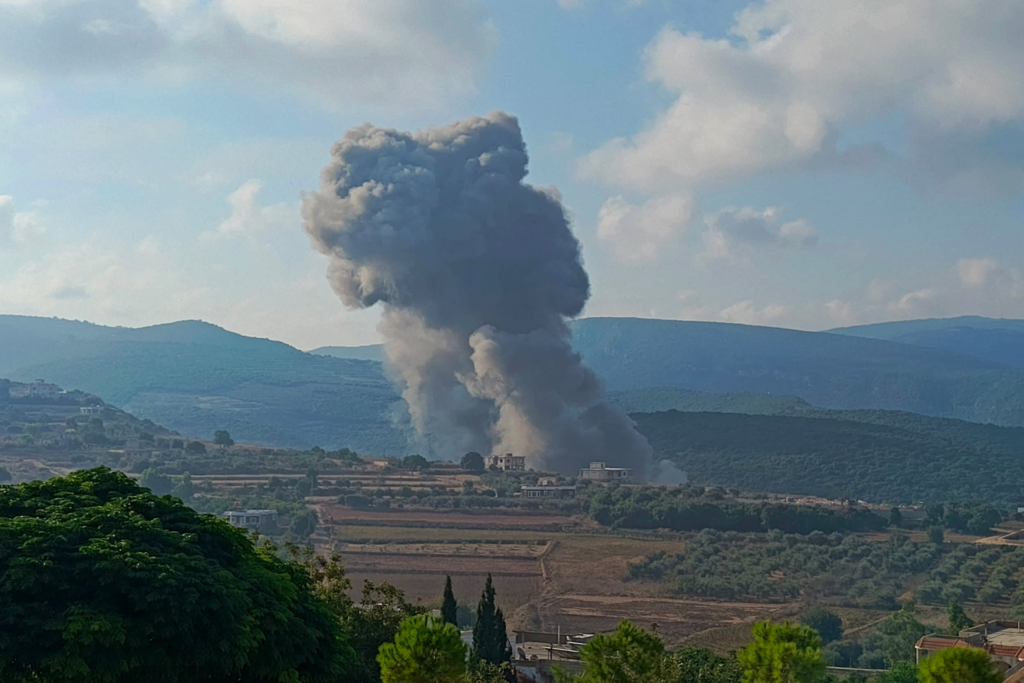
A major escalation has been reported along the Israel–Lebanon border after Hezbollah launched more than 50 rockets from southern Lebanon toward northern Israel, triggering widespread air raid sirens and emergency alerts across multiple communities.
According to early military and media reports, the rocket barrage targeted several areas in northern Israel, forcing civilians to seek shelter as sirens sounded across border towns and surrounding regions. The attack marks one of the larger coordinated rocket launches in recent weeks, further intensifying already high tensions along the northern front.
Air Defense Systems Activated
The Israel Defense Forces (IDF) activated its air defense systems immediately following the launch. Interception systems, including the Iron Dome, were reportedly deployed to neutralize incoming rockets.
While some rockets were intercepted mid-air, others are believed to have landed in open areas, though initial reports suggest no confirmed mass casualties at this stage. Emergency response teams have been dispatched to assess impact zones, check for damage, and assist any injured civilians.
Widespread Sirens and Civilian Response
Residents across northern Israel reported continuous sirens, prompting thousands to move into bomb shelters and protected spaces. Local authorities urged civilians to remain indoors and follow emergency instructions until the situation stabilizes.
Municipal emergency units quickly activated response protocols, including:
- Opening public shelters
- Coordinating with military authorities
- Deploying medical and rescue teams
- Monitoring impact zones for further threats
The rapid response helped minimize immediate civilian exposure during the rocket barrage.
Rising Cross-Border Tensions
The attack comes amid ongoing exchanges between Hezbollah and Israeli forces along the northern border. Analysts say such escalations are part of a broader pattern of tit-for-tat strikes that have intensified since the start of the wider regional conflict involving Iran and allied groups.
Hezbollah, a powerful armed organization based in Lebanon, has repeatedly stated its operations are linked to broader regional developments, particularly in solidarity with Palestinian factions and against Israeli military actions.
Strategic and Military Concerns
Security experts warn that repeated large-scale rocket attacks could push the region closer to a wider conflict. The northern Israel–Lebanon border has been one of the most volatile flashpoints, with:
- Frequent rocket and drone attacks
- Israeli retaliatory airstrikes in southern Lebanon
- Civilian displacement in border communities
The situation remains highly unpredictable, with both sides maintaining elevated military readiness.
International Concerns Grow
The escalation has drawn concern from international observers, who fear that continued cross-border attacks could spiral into a broader regional war involving multiple actors across the Middle East.
Diplomatic efforts to reduce tensions have so far struggled to produce a lasting ceasefire framework, as both Hezbollah and Israeli leadership maintain hardline positions.
Conclusion
The reported firing of over 50 rockets from Lebanon into northern Israel represents a significant escalation in the ongoing border conflict. While air defenses have mitigated some of the impact, the incident underscores the fragility of the current security situation.
With both sides remaining on high alert, the risk of further escalation along the northern frontier continues to grow.