As Donald Trump suggests a ceasefire is “in the bag,” Tehran rejects the narrative, with officials dismissing reports while simultaneously escalating diplomatic messaging through direct outreach to the American public.
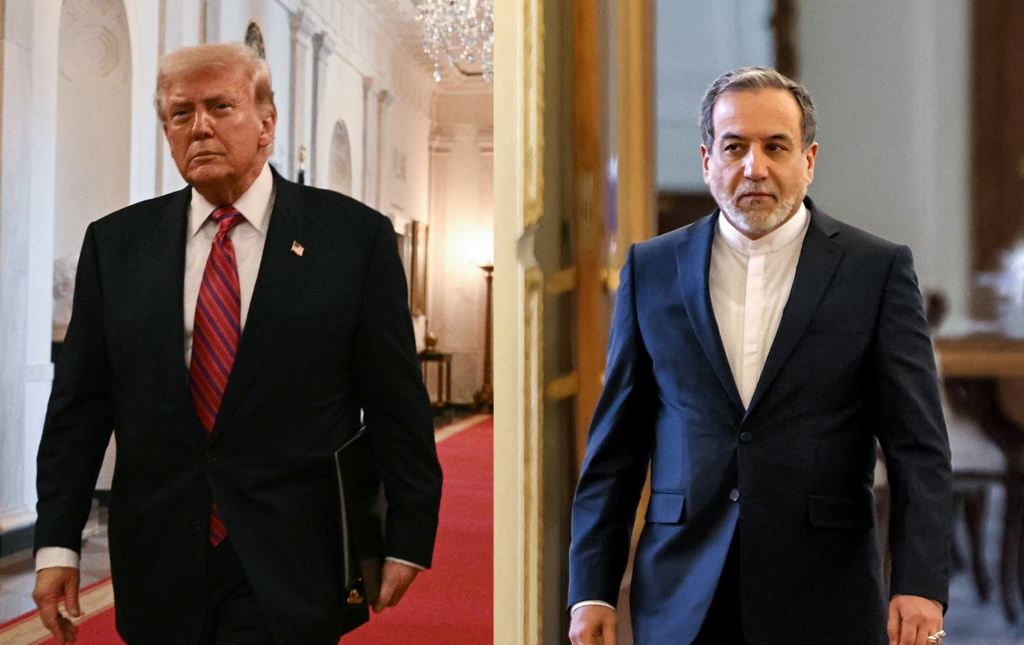
Tensions between Iran and the United States have intensified sharply following a wave of aggressive statements and conflicting diplomatic signals surrounding the ongoing conflict in the Middle East.
The situation escalated after a highly charged warning reportedly circulated in regional and international media, stating: “Open Hormuz now or be blasted back to the Stone Age.” The statement reflects the increasingly volatile rhetoric surrounding the strategic Strait of Hormuz, one of the world’s most critical oil transit routes.
The Strait of Hormuz has long been considered a geopolitical pressure point, with nearly a fifth of global oil shipments passing through it. Any threat to close or disrupt the waterway is seen as a major escalation with global economic consequences.
Trump Claims Ceasefire Progress
Amid rising tensions, U.S. President Donald Trump has claimed that a ceasefire agreement is “in the bag,” suggesting that diplomatic progress is closer than public developments indicate. His remarks appear aimed at signaling confidence in backchannel negotiations or military-diplomatic pressure achieving results.
However, the reality on the ground and in official statements paints a more complex picture, with no confirmed ceasefire agreement publicly accepted by Tehran or other key actors.
Iran Rejects Ceasefire Narrative
Iranian Foreign Minister Abbas Araghchi firmly dismissed reports suggesting that a ceasefire deal is imminent, calling such claims “false and baseless.” Iranian officials have repeatedly accused Western media and political figures of spreading misinformation about the status of negotiations.
At the same time, President Masoud Pezeshkian adopted a different diplomatic approach, issuing an open letter directed at the American public. The move appears designed to bypass official U.S. government channels and appeal directly to citizens, framing Iran’s position in broader humanitarian and political terms.
This dual messaging strategy highlights a coordinated effort within Iran’s leadership: rejecting official ceasefire claims while simultaneously attempting to influence international public opinion.
Diplomatic Divide Deepens
The conflicting narratives between Washington and Tehran underscore the deep mistrust defining the current phase of the conflict. While U.S. leadership emphasizes potential de-escalation, Iranian officials insist that no meaningful agreement exists under current conditions.
Analysts suggest that such contradictions are common during high-pressure conflicts, where:
- Governments seek to shape public perception
- Negotiations occur behind closed doors
- Information warfare becomes part of the broader conflict
The result is often a gap between political messaging and actual diplomatic progress.
Strategic Importance of Hormuz
The renewed focus on the Strait of Hormuz highlights its critical role in global energy security. Any disruption to shipping in the region could trigger immediate spikes in oil prices and affect global supply chains.
Because of this, threats involving the strait are frequently interpreted not just as regional warnings, but as signals to international markets and global powers.
Rising Regional Volatility
The broader Middle East remains highly unstable, with ongoing military activity involving Israel, Iran, and allied regional actors. The combination of military escalation and high-level political rhetoric has created a rapidly shifting environment where ceasefire prospects remain uncertain.
Despite claims of progress, there is currently no verified framework confirming a finalized ceasefire agreement between the main parties.
Conclusion
The latest exchange of statements reflects a dangerous escalation in both rhetoric and diplomacy. While Donald Trump signals optimism about a ceasefire, Iranian officials firmly reject such claims, instead continuing a dual strategy of denial and public outreach.
With tensions surrounding the Strait of Hormuz and broader regional conflict still unresolved, the gap between political messaging and reality remains wide — and the situation continues to evolve rapidly.