Washington’s Rewards for Justice Program Seeks Tips on Iran’s New Supreme Leader Amid Ongoing Regional Conflict
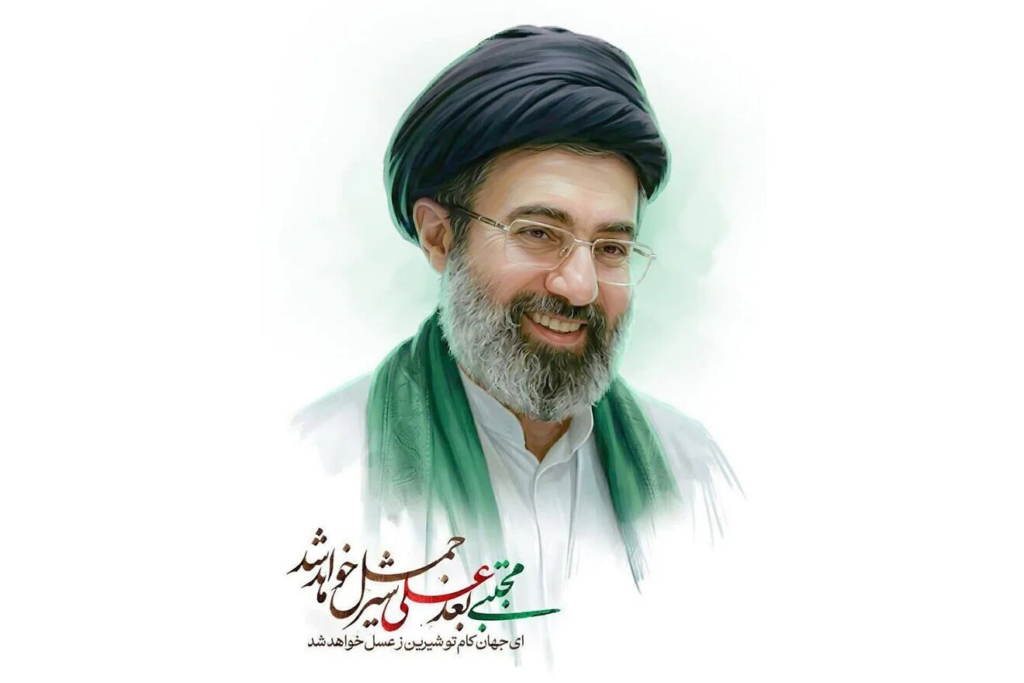
In a significant escalation of diplomatic and intelligence efforts tied to the widening war in the Middle East, the United States State Department’s Rewards for Justice program announced a $10 million reward for information leading to the location, activities, or other actionable intelligence on Iran’s newly appointed Supreme Leader, Mojtaba Khamenei, and several high‑ranking Iranian officials. The announcement, revealed on March 13, 2026, underscores growing U.S. efforts to counter what it describes as terrorism, destabilizing actions, and malign influence emanating from Tehran during the continuing conflict with Iran, Israel, and allied forces.
According to multiple U.S. and international news outlets, the reward offer is not limited to Mojtaba Khamenei but also extends to other senior figures in Iran’s political and military hierarchy. These include top commanders and leaders of the Islamic Revolutionary Guard Corps (IRGC) and other influential officials suspected of directing or aiding operations that the U.S. government associates with acts contrary to international law or U.S. national security interests.
Background: Leadership Change in Tehran
The timing of the reward highlights the rapidly shifting political and security landscape in Iran. Following the death of former Supreme Leader Ayatollah Ali Khamenei in a joint U.S.–Israeli military strike on February 28, 2026, Iran’s Assembly of Experts elected Mojtaba Khamenei as the country’s third supreme leader on March 8, 2026.
Mojtaba, son of Ali Khamenei, assumed leadership during one of the most tumultuous chapters in Iranian history. His succession came amid intense conflict with the United States and Israel, which has included extensive air and missile strikes on Iranian military infrastructure and leadership targets since late February. Tehran’s leadership has vowed continued resistance, framing the conflict as a defense of national sovereignty and a broader struggle against Western influence in the region.
What the Reward Covers
The $10 million reward is part of the U.S. Department of State’s Rewards for Justice Program, which has historically offered financial incentives for information leading to the capture or disruption of individuals deemed threats to U.S. security or global stability. In this case, the announcement specifically encourages individuals with credible information about the whereabouts, communications, plans, or operations of Mojtaba Khamenei and other named Iranian officials to come forward.
In several versions of the announcement, the U.S. also offered potential relocation assistance for informants, particularly for those who may fear retaliation for providing sensitive details to U.S. authorities. This element reflects the elevated risks faced by sources within and outside Iran who might contribute intelligence on high‑profile political figures.
Strategic and Security Implications
The reward notice represents more than a financial incentive—it signals a growing assertiveness by the United States in targeting not only tactical military objectives but also higher‑level strategic leadership nodes within Iran. Analysts interpret the move as part of a broader U.S. strategy to weaken Tehran’s command and control structure, disrupt coordination among senior decision‑makers, and potentially limit Iran’s capacity to sustain prolonged military operations or proxy engagements across the Middle East.
This approach is informed in part by the evolving nature of the conflict. Since the outbreak of hostilities in early 2026, Iranian forces have launched missiles and drones at targets across the Gulf region, including allied Arab states that host U.S. military assets. The United States and its partners have responded with airstrikes and naval deployments aimed at degrading Iranian military capabilities. The reward offer aligns with these parallel efforts to isolate key decision‑makers and degrade their ability to direct conflicts against U.S. interests and allied nations.
Some analysts also view the reward as symbolic—demonstrating the U.S. willingness to escalate pressure on Tehran beyond conventional battlefield engagements and into intelligence operations. By publicly placing a dollar value on actionable information, Washington is sending a dual message: to Iran’s leadership that they are being targeted at the highest levels, and to potential informants that there are substantial incentives for cooperation. Such tactics have historical precedence, having been used in various Global War on Terror campaigns and other counterterrorism operations.
International and Regional Reaction
The announcement sparked immediate reactions internationally and within the region. Pro‑Iranian analysts and Iranian state media condemned the reward, framing it as an escalation of U.S. aggression and interference in Iran’s internal affairs. Tehran’s officials denounced the move as illegitimate and likely to further inflame tensions. Meanwhile, some Western and Gulf‑aligned commentators view the move as a natural extension of U.S. efforts to hold Iranian leaders accountable for policies and actions that have contributed to regional instability, particularly those associated with military escalations and support for proxy groups.
At the United Nations and among some diplomatic partners, concerns were raised about the broader impact on international norms if leadership figures are publicly incentivized for intelligence tips in the midst of active conflict. Critics argue that such measures can undermine diplomatic channels and complicate efforts toward de‑escalation or negotiated ceasefires. However, U.S. officials defended the reward as a lawful and strategic tool aimed at protecting security and preventing further harm to civilians and regional stability.
What Comes Next
As the war continues with no clear end in sight, the announcement of a $10 million reward for information on Mojtaba Khamenei and other Iranian leaders is likely to remain a focal point of international attention. Both sides are expected to continue their respective military and intelligence campaigns, with public messaging, rewards, and sanctions playing significant roles alongside battlefield developments.
For observers tracking the conflict, the reward offer may serve as a barometer of how far the United States is willing to escalate pressure on Iran’s leadership and how that pressure could reshape the trajectory of one of the most consequential geopolitical crises of the 21st century.