UN watchdog warns Tehran’s enriched stockpile is alarming — but confirms no evidence of an active nuclear weapons program
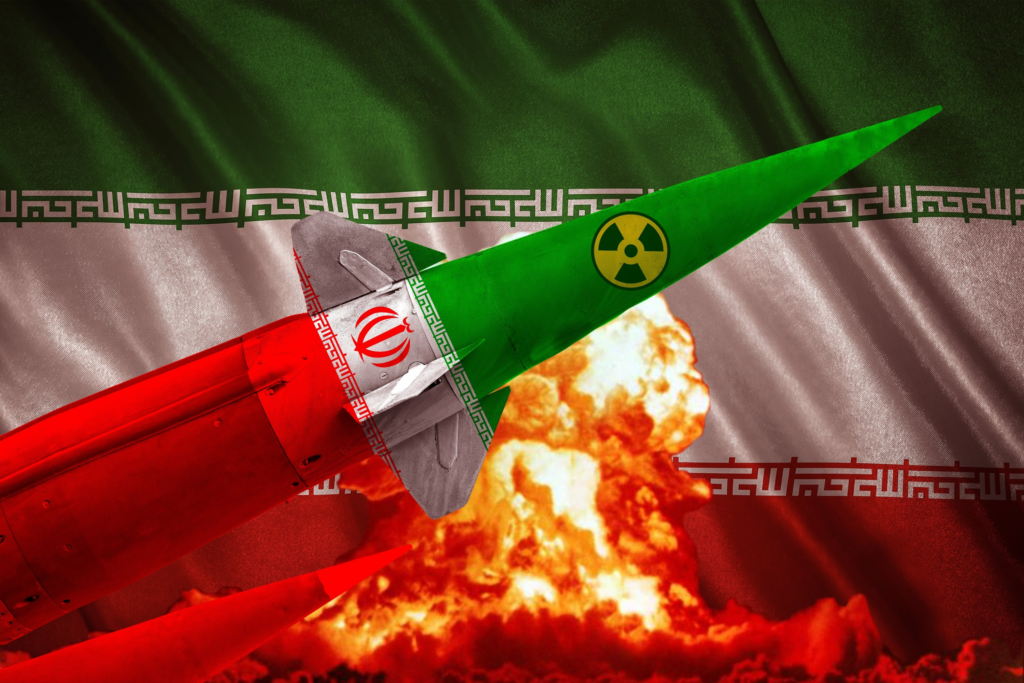
Fresh assessments from the International Atomic Energy Agency (IAEA) have intensified global concern over Iran’s nuclear capabilities. According to recent watchdog findings and expert analysis, Tehran now possesses enough highly enriched uranium that—if further processed—could theoretically produce more than ten nuclear warheads. However, the agency stresses that there is currently no verified evidence Iran has built or is actively assembling a nuclear weapon. The distinction between “nuclear capability” and “nuclear weaponization” is now at the center of escalating geopolitical tensions.
IAEA data shows Iran has accumulated a large stockpile of uranium enriched up to 60 percent purity, a level far above civilian requirements and technically close to weapons-grade material. Experts note that enrichment to 60 percent already accomplishes most of the technical work needed to reach the roughly 90 percent purity typically used in nuclear bombs. The agency has repeatedly described this level of enrichment by a non-nuclear-weapon state as highly concerning.
Recent confidential reporting cited by international media indicates Iran’s stockpile—around 440 kilograms of 60% enriched uranium—could be sufficient for roughly ten nuclear weapons if enriched further. Importantly, the IAEA emphasizes that possessing fissile material is not the same as building a deliverable nuclear device. Weaponization would require additional complex steps including further enrichment, warhead design, miniaturization, and integration with delivery systems.
IAEA Director General Rafael Grossi has repeatedly warned that while Iran’s uranium reserves are technically significant, inspectors have not found proof of an active nuclear weapons program. Independent analyses echo this assessment, noting that Tehran has the “material capability” but has not crossed the threshold into confirmed weapon production. Iran continues to insist its nuclear activities are strictly for peaceful purposes such as energy generation and medical isotope production.
The situation has become more complicated due to reduced monitoring access. Following military strikes and rising tensions, the IAEA reported it cannot fully verify the exact size and location of Iran’s enriched uranium stockpile because inspection continuity has been disrupted. The agency has called renewed inspections “indispensable and urgent” to restore transparency and confidence. Without full access, analysts warn that uncertainty itself becomes a major risk factor in the regional security equation.
Technically speaking, moving from 60 percent to weapons-grade uranium could take only weeks if Iran chose to do so and operated sufficient advanced centrifuges. This short “breakout time” is one of the main reasons Western governments and regional rivals remain deeply concerned. At the same time, experts caution that producing a crude nuclear device is far easier than building a compact, missile-deliverable warhead — a step that requires sophisticated engineering and testing.
Diplomatic efforts to contain the program remain stalled. Recent U.S.–Iran nuclear talks ended without agreement on enrichment limits or stockpile reductions, leaving verification gaps unresolved. Washington and its allies are pushing for strict caps and enhanced monitoring, while Tehran maintains its right to enrich uranium under the Nuclear Non-Proliferation Treaty (NPT). The standoff has increased fears of miscalculation or military escalation in the region.
Another layer of concern involves Iran’s expanding centrifuge technology. The country has installed more advanced enrichment machines in recent years, significantly boosting output capacity. Analysts warn that the knowledge gained from these advances “cannot be fully reversed,” even if future agreements reduce stockpiles. This means Iran’s long-term nuclear latency — the ability to quickly produce a weapon if it decides to — is likely to remain a strategic reality.
Despite the alarming technical indicators, many nuclear experts stress the importance of precision in public debate. Having enough enriched uranium for potential weapons does not automatically mean Iran is building a bomb. Intelligence agencies continue to monitor for signs of weaponization work such as explosives testing, warhead design activity, or covert delivery integration — none of which the IAEA has publicly confirmed so far.
Looking ahead, the Iran nuclear file is entering a particularly sensitive phase. If inspections resume and diplomacy revives, tensions could stabilize. But if monitoring gaps widen or enrichment continues to expand, pressure for tougher international action — including possible military options — may grow. For now, the IAEA’s message remains nuanced but clear: Iran’s nuclear material stockpile is dangerously large, yet the world has not seen verified evidence of an actual nuclear weapon.