Iranian media confirms blasts in eastern districts amid ongoing Israeli strikes and escalating regional conflict
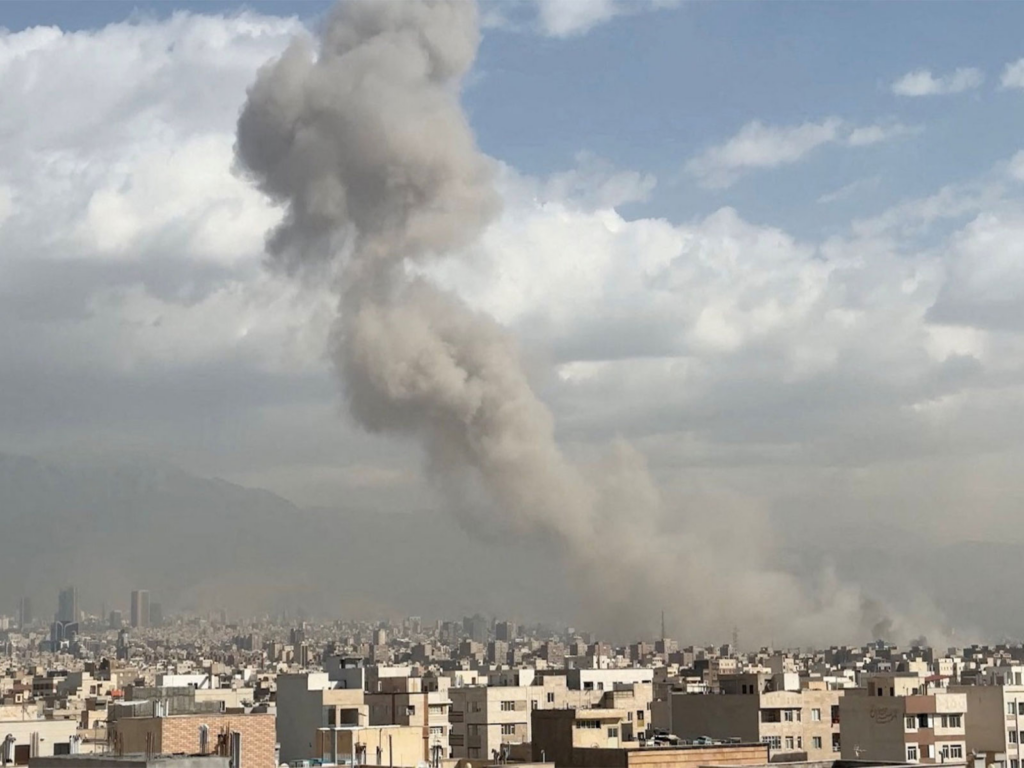
Iranian media has reported a series of explosions in eastern parts of Tehran, adding to growing fears of further escalation in the already volatile Middle East conflict. The blasts, reportedly heard across multiple neighborhoods, come as tensions between Iran and Israel continue to intensify, with both sides engaged in ongoing military exchanges.
According to local reports from Iranian news agencies, multiple explosions were heard in the eastern and southeastern areas of Tehran, with plumes of smoke visible rising into the sky. In some cases, residents and journalists reported hearing consecutive blasts within a short span of time, suggesting coordinated strikes or repeated impacts in the same region. While the exact targets have not been officially confirmed, the presence of air defense activity and the timing of the explosions point toward possible aerial attacks.
The incident comes amid a broader pattern of strikes targeting Iran’s capital and other key cities. Reports indicate that recent explosions in eastern Tehran were accompanied by the sound of aircraft overhead, reinforcing speculation that the blasts may be linked to ongoing airstrike operations. Eastern Tehran has previously been identified as a sensitive zone, hosting a mix of residential areas and strategic facilities, making it a potential target during heightened military activity.
This latest development is part of a larger and rapidly escalating conflict involving Iran, Israel, and their respective allies. In recent days, Israeli forces have carried out multiple strikes on Tehran and other Iranian cities, targeting what they describe as military infrastructure and security-related sites. These operations have been conducted in response to Iranian missile and drone attacks, marking a dangerous cycle of retaliation that continues to expand.
The situation on the ground remains unclear, with limited official information available regarding casualties or damage. Iranian authorities have not yet released detailed statements about the exact locations hit or the extent of destruction caused by the explosions. However, past incidents suggest that such strikes can result in significant damage to infrastructure and pose serious risks to civilian populations.
The broader context of these explosions is critical to understanding their significance. Tehran has been under increasing pressure as part of a wider military campaign that began in late February 2026. Since then, the capital has experienced repeated waves of attacks, with explosions reported in multiple districts over several days. These attacks are part of a coordinated effort targeting various sites across Iran, including military bases, industrial zones, and strategic facilities.
International reactions to the escalating situation have been mixed, with global powers urging restraint while also preparing for potential spillover effects. The continued strikes on Tehran, particularly in densely populated areas, have raised concerns about civilian safety and the risk of a broader regional war. The United Nations and other international organizations have warned that the ongoing conflict could have severe humanitarian and economic consequences if it continues to escalate.
From a strategic standpoint, the explosions in eastern Tehran highlight the vulnerability of even heavily defended urban centers in modern warfare. Despite the presence of advanced air defense systems, repeated strikes suggest that attackers are capable of penetrating defenses or overwhelming them through sustained operations.
As the situation develops, the key questions remain unresolved: who exactly carried out the latest strikes, what specific targets were hit, and how Iran will respond. Given the pattern of recent events, further retaliation appears likely, increasing the risk of continued instability in the region.
In conclusion, the reported explosions in eastern Tehran mark another significant moment in an already intensifying conflict. With limited information and rising tensions, the situation remains highly fluid. What is clear, however, is that the Middle East is entering a critical phase, where each new incident carries the potential to trigger a wider and more dangerous confrontation.