Controversial Statement by Former U.S. President Sparks Global Alarm as Iran Conflict Intensifies
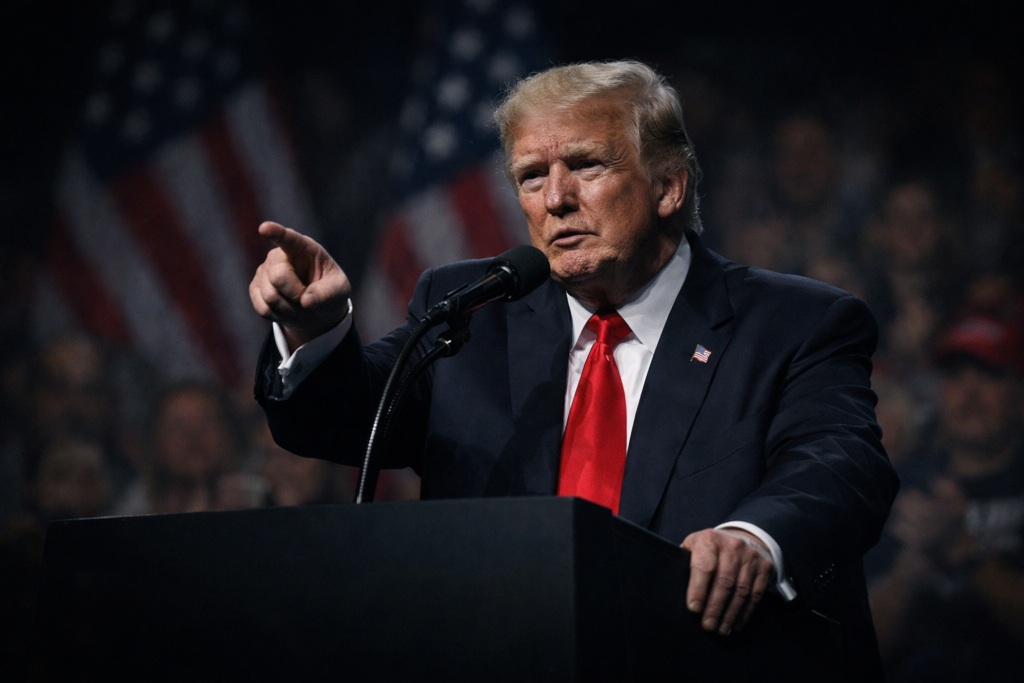
Former U.S. President Donald Trump made a highly provocative declaration on March 22, 2026, asserting that the United States has “blown Iran off the map” following weeks of escalating conflict that saw Iranian missile strikes against Israeli targets. The comments, released amid an intensifying war that has drawn in multiple military forces, have alarmed diplomats, analysts, and international observers alike.
Speaking from an undetermined location, Trump characterized recent U.S. military operations against Iran as overwhelmingly successful, claiming that Tehran’s key leadership and military capabilities had been neutralized. He said that Iran’s defensive systems were no longer able to repel attacks, and that the United States had effectively dismantled its ability to make war. “We have completely succeeded — Iran as you knew it is gone,” Trump declared, according to reports.
The aggressive tone of Trump’s remarks comes after Iranian ballistic missiles were fired toward Israeli cities such as Tel Aviv, Arad, and Dimona as part of Tehran’s retaliation against what it described as U.S. and Israeli strikes on Iranian territory. This cycle of attack and counter‑attack has already caused widespread destruction and injury, prompting regional instability and international diplomatic concern.
While Trump’s supporters have praised what they describe as a strong posture against Tehran, the former president’s claim has drawn sharp criticism from around the world. Many diplomats argue that describing a sovereign nation as having been “blown off the map” is inflammatory and inaccurate, especially given ongoing reports that Iranian forces continue to engage in military operations. Fact‑checking outlets have noted that claims of total military obliteration are exaggerated and not consistent with independent assessments of the conflict’s status.
European and Middle Eastern leaders have expressed serious concern over the risk of further escalation. Officials in the European Union stressed the need for restraint and emphasized diplomatic channels, warning that continued rhetoric that suggests total destruction of a country undermines prospects for peace and violates norms of international diplomacy.
Humanitarian organizations have also raised red flags. With civilians already caught in the crossfire, many aid groups argue that Washington and allied leaders must prioritize de‑escalation and civilian protection, rather than celebrating military outcomes in a manner that could justify additional attacks. The destruction of infrastructure — including residential areas, utilities, and economic facilities — has compounded distress among civilians in both Iran and Israel, where repeated missile impacts and evacuations have become increasingly common.
Trump’s comments have also reverberated within Washington. Some U.S. lawmakers from both major parties cautioned that language implying the eradication of another nation could violate international law and potentially fuel further violence. They urged clarity about U.S. military objectives, emphasizing that even military successes must be reported in factual, measured terms. Others defended Trump’s remarks as necessary to demonstrate strength in confronting what they view as Iran’s aggressive actions.
Meanwhile, Tehran has condemned the assertions as “irresponsible” and “propaganda,” while assuring the Iranian population and armed forces that the country continues to resist attacks. Officials in Iran have reiterated their longstanding position that their missile launches are defensive responses to foreign strikes and that they remain capable of defending their territory.
The surge in rhetoric comes against a backdrop of disrupted diplomacy, skyrocketing global oil prices, and growing fears of wider regional involvement. The U.S. military and its allies continue operations aimed at degrading Iranian military infrastructure, but international pressure for negotiated ceasefires or peace talks has grown steadily.
In conclusion, Donald Trump’s claim that the U.S. has “blown Iran off the map” encapsulates the heated political and military climate of the current Middle East conflict. While the statement reflects a hard‑line stance and signals confidence among some U.S. supporters, it has also heightened global unease and underscored the urgent need for diplomatic efforts to prevent further destabilization.