Mass funeral rallies reflect public anger and grief following the killing of a prominent student leader in Bangladesh
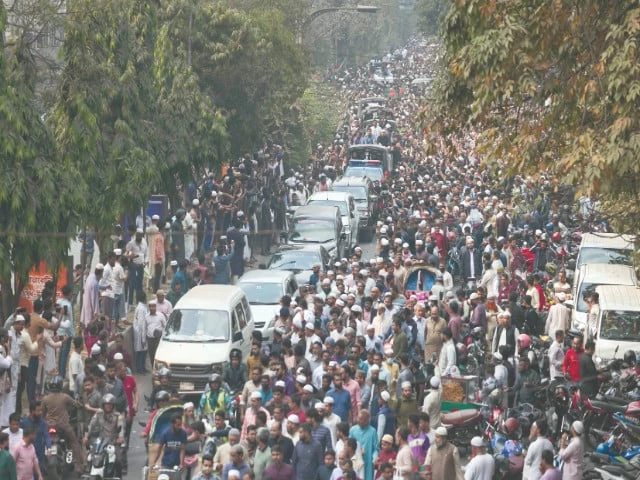
DHAKA: Thousands of people gathered across Bangladesh to mourn a prominent student leader whose killing has sparked widespread grief, anger, and renewed political unrest. The funeral and memorial processions drew students,
activists, civil society members, and ordinary citizens, turning into large-scale demonstrations demanding justice and accountability. The incident has further intensified tensions in a country already grappling with political polarization, youth unrest, and growing concerns over freedom of expression and personal security.
The slain student leader, widely known for his activism and role in student politics, was killed under circumstances that authorities say remain under investigation. Witnesses and fellow activists, however, allege that the killing was politically motivated, fueling accusations of targeted violence against dissenting voices. As news of his death spread, universities and colleges across Bangladesh witnessed spontaneous protests, with students boycotting classes and organizing marches in solidarity.
The main funeral procession, held in the capital and later in the victim’s hometown, saw tens of thousands chanting slogans calling for justice and an end to political violence. Many mourners carried photographs of the student leader, describing him as a fearless advocate for student rights and democratic values. Emotional scenes unfolded as family members, friends, and fellow activists paid their final respects, while speakers at memorial gatherings accused authorities of failing to protect student leaders from threats and intimidation.
Student organizations across the political spectrum condemned the killing, though opposition-linked groups were particularly vocal in blaming the government for what they described as a deteriorating law-and-order situation. Several student unions called for nationwide strikes and sit-ins, demanding an independent investigation and the arrest of those responsible. They warned that protests would continue unless concrete action was taken by law enforcement agencies.
Bangladesh police have stated that multiple investigative teams have been formed and that suspects are being questioned. Officials urged the public to remain calm and allow the legal process to proceed. However, skepticism remains high among students and activists, many of whom point to previous cases of political killings that they say were never fully resolved. Human rights organizations have also urged transparency, warning that failure to conduct a credible investigation could further erode public trust.
The killing has once again highlighted the central role of student politics in Bangladesh’s social and political landscape. Historically, student movements have played a decisive role in shaping the country’s political direction, from the language movement to pro-democracy uprisings. In recent years, however, student activism has increasingly been marked by violence, factionalism, and allegations of political patronage, raising concerns about campus safety.
Universities in major cities reported heightened security following the protests, with additional police deployed around campuses to prevent clashes. In some areas, confrontations were reported between rival student groups, prompting authorities to temporarily restrict gatherings. Despite these measures, protests remained largely peaceful, driven by widespread public sympathy for the slain leader and growing frustration over political violence.
The international community has also taken note of the developments. Several rights groups and foreign observers issued statements expressing concern over the killing and urging Bangladeshi authorities to ensure accountability. They emphasized the importance of protecting students and activists and upholding the right to peaceful assembly. Analysts warn that continued unrest could have broader implications for Bangladesh’s political stability, particularly ahead of key political milestones.
For many young people, the student leader’s death has become a symbol of deeper systemic problems, including shrinking civic space, intolerance of dissent, and the risks faced by politically active youth. Protesters argue that without meaningful reforms and stronger safeguards, violence against students and activists will persist. The slogans heard during the mourning rallies reflected not only grief but also a broader call for change.
As night vigils and prayer gatherings continued, the mood remained somber yet defiant. Candles were lit, poems recited, and speeches delivered honoring the student leader’s legacy. Organizers vowed to keep his memory alive through continued activism, framing the protests as a struggle for justice rather than a single incident. Social media platforms were flooded with tributes, amplifying the calls for accountability and reform.
In conclusion, the mass mourning for the slain Bangladesh student leader has evolved into a powerful expression of public anger and demand for justice. The scale of the turnout underscores the depth of grief and frustration felt by many, particularly the country’s youth. As investigations continue, the coming days will be critical in determining whether authorities can restore public confidence or whether the killing will mark another turning point in Bangladesh’s turbulent political landscape.