UK navigates strategic deployment as regional tensions surge following Iranian and Israeli military actions
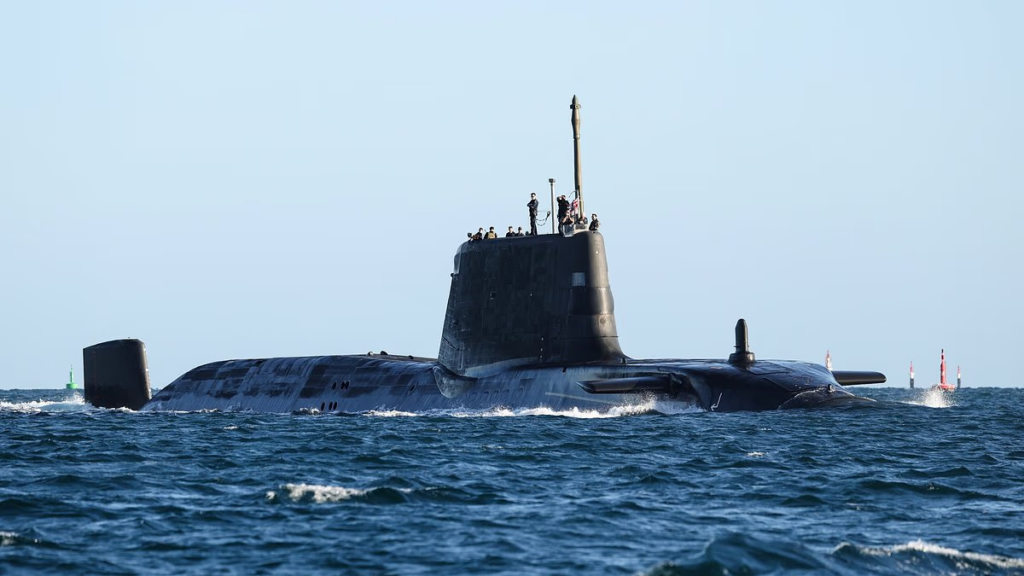
A Royal Navy nuclear‑powered submarine is reportedly en route toward the Arabian Sea, underscoring growing concerns in London about the widening military crisis triggered by recent Iranian missile strikes and subsequent military operations across the Middle East. While British authorities have not officially confirmed enemy engagement details, multiple defense sources indicate that London is considering a range of naval deployments as tensions escalate.
The suspected movement of the British submarine — believed to be an Astute‑class attack submarine such as HMS Anson — forms part of a broader reassessment of UK military posture following intense conflict activity between Iran and Israel, along with significant involvement from the United States and allied forces.
The deployment reflects growing unease among Western capitals about the conflict’s potential spillover into vital maritime regions, particularly the Arabian Sea and the nearby Strait of Hormuz — through which a large share of global oil shipments transit. Recent reports suggest Iran’s repeated missile and drone launches, along with mine‑laying activities, have increased risks to both commercial and military vessels, prompting strategic recalibrations.
While the United Kingdom has moved to reinforce its military footprint — including air defense assets and personnel in Cyprus and the Eastern Mediterranean — it has so far stopped short of dispatching large surface warships directly to the Gulf. Debate within London centers on how best to balance deterrence without escalating direct confrontation.
The submarine’s potential arrival in the Arabian Sea would signal a significant escalation in operational readiness. Nuclear‑powered submarines like those in the Astute class are capable of long patrols without refueling and can carry a mix of conventional weapons, including Tomahawk cruise missiles. Their stealth and endurance make them a key strategic asset in contested waters, enabling surveillance, strike capability, and support for allied naval operations.
Britain’s cautious approach — including a limited naval team sent to Bahrain and enhanced air defense capabilities in regional bases like the UK’s facilities on Cyprus — reflects both the complexity of the situation and internal debates over deployment intensity. While some officials advocate for a more substantial maritime presence, others argue the UK’s naval resources are stretched, and any deployment must be carefully calibrated to avoid unnecessary escalation.
International reactions to the growing military build‑up have been mixed. Allied nations emphasize the need to protect shipping lanes and uphold freedom of navigation, while urging restraint to prevent further escalation. Iran has responded to Western deployments with warnings against targeting regional vessels, declaring that any foreign warship perceived as supporting Israel could become a target.
Analysts note that submarines in the Arabian Sea could play multiple roles beyond deterrence: intelligence gathering on naval movements, support for allied air and surface operations, and rapid strike options if conflict dynamics shift rapidly. Given the fluid nature of the crisis — with U.S. carriers and other assets also active in the region — London’s submarine deployment may be a signal of deeper cooperation with allies even amid debates over the scale of involvement.
In summary, the movement of a British nuclear submarine toward the Arabian Sea highlights London’s strategic response to one of the most dangerous phases of Middle East tensions in years. As military assets from multiple countries converge in and around the Gulf, the deployment underscores the complex balance between deterrence, alliance obligations, and the risks of wider conflict escalation.