U.S. ultimatum raises global alarm as oil route crisis deepens and war tensions escalate
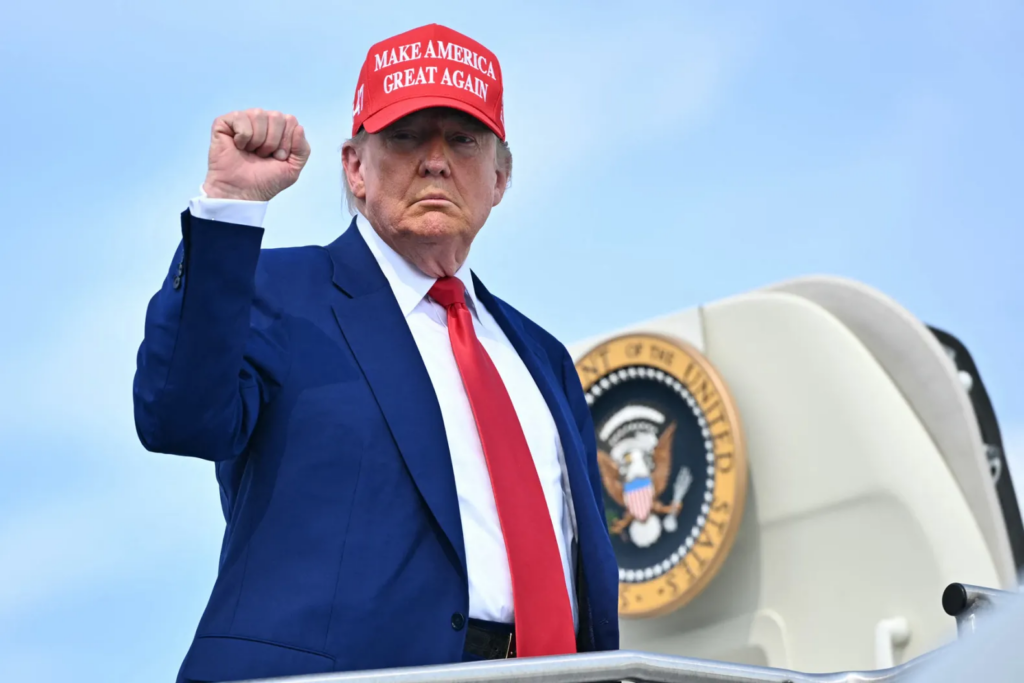
U.S. President Donald Trump has issued a stark ultimatum to Iran, warning that Washington will launch strikes on Iranian energy infrastructure if the strategically vital Strait of Hormuz is not fully reopened within 48 hours. The statement marks one of the most aggressive escalations in the ongoing Middle East conflict.
According to multiple international reports, Trump threatened to “obliterate” Iran’s power plants—starting with its largest facilities—if Tehran fails to allow safe and unrestricted passage through the Strait. This warning comes as the waterway, which handles roughly 20% of the world’s oil supply, faces severe disruption due to Iranian actions and military tensions.
The crisis in the Strait of Hormuz has already triggered a global energy shock, with oil prices surging sharply and international markets reacting to fears of prolonged disruption. The route is considered one of the most critical chokepoints in global trade, making any threat to its operation a matter of worldwide economic concern.
Trump’s ultimatum follows a series of escalating military developments, including Iranian missile strikes on Israeli cities such as Dimona and Arad, which resulted in multiple casualties and infrastructure damage. In response, both the United States and Israel have intensified their military operations targeting Iranian positions, further raising the stakes of the conflict.
The U.S. President’s focus on energy infrastructure represents a significant shift in strategy. Targeting power plants could severely impact Iran’s civilian and industrial capabilities, potentially crippling electricity supply across large parts of the country. Analysts warn that such actions could lead to humanitarian consequences and provoke strong retaliation from Tehran.
Iran has already responded with warnings of its own, signaling that any attack on its energy facilities would trigger counter-strikes against U.S. and allied infrastructure across the region. This raises fears of a broader regional war that could involve multiple countries and critical assets, including oil facilities, ports, and military bases.
International reaction has been swift and cautious. Several global powers, including European and Asian nations, have called for restraint while exploring options to secure maritime routes. Some countries have indicated willingness to participate in naval operations aimed at ensuring safe passage through the Strait, highlighting the global stakes involved.
Despite the pressure, Tehran has maintained that its restrictions on the Strait are targeted and justified, particularly against nations it considers hostile. However, the continued disruption has intensified diplomatic tensions and increased the risk of direct confrontation between major powers.
From a strategic perspective, the ultimatum underscores the importance of the Strait of Hormuz not just as a regional asset, but as a global lifeline for energy supplies. Any prolonged closure or military escalation in the area could have far-reaching consequences, including economic instability, supply shortages, and increased geopolitical polarization.
In conclusion, Trump’s 48-hour ultimatum to Iran represents a critical turning point in the conflict. With threats of energy infrastructure strikes and rising global pressure to reopen the Strait of Hormuz, the coming hours will be decisive. Whether through military action or diplomatic intervention, the outcome could reshape the trajectory of the crisis and its impact on the global economy.